

A roundup of classic and trending singer-songwriters

Among the musicians active on the domestic music scene, there are artists performing in various formats such as dance groups and bands.
Among them, the “hikigatari” style—singing while playing the guitar oneself—has a unique charm that sets it apart from other performance styles.
In this article, we will introduce musicians, regardless of gender, who perform in the hikigatari style.
Be sure to explore and enjoy the diverse appeal of these musicians.
This will also be helpful for those looking for songs they can perform in a hikigatari style themselves.
A roundup of classic and trending solo singer-songwriters (1–10)
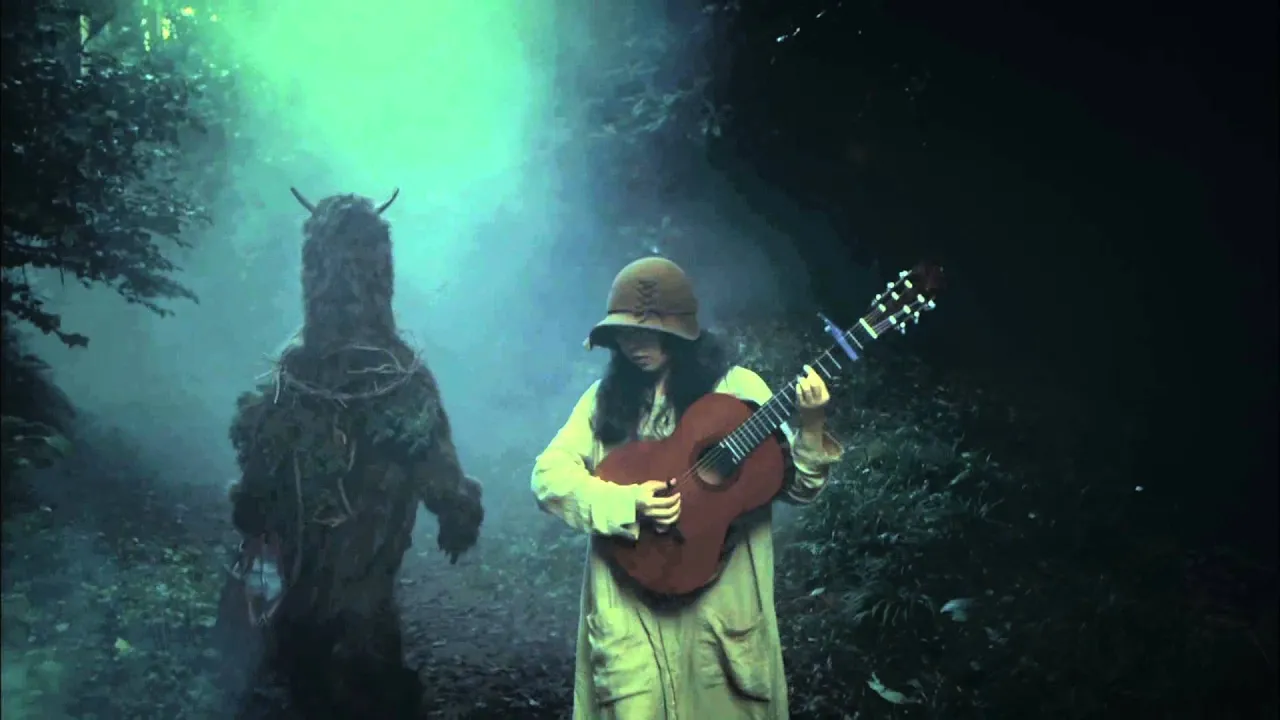
Survivors: UsAoba Ichiko

A singer-songwriter who is energetically active beyond the realm of music, creating narration, commercials, stage music, and presenting installation works at arts festivals.
An unconventional musician, they have the background of belonging to the choir, brass band, and light music clubs in their school days, while teaching themselves to play various instruments without even knowing chords.
They say that singing comes as naturally as eating or sleeping and that they are not trying to express anything in particular, which suggests they might be called a natural-born singer-songwriter who does not consciously try to create.
With this distinctive style, they are a musician whose future is highly anticipated.

Forever YoungTakehara Pisutoru

An artist who made his major debut with the folk duo Yakozen and, after their breakup, has been actively pursuing a solo career.
With signature songs like “Yo, You Young Folks” and “Forever Young,” which served as the ending theme for the TV drama “Byplayers: What If Six Supporting Actors Lived in a Share House?,” his unadorned, straightforward lyrics and resonant, powerful guitar sound carry an energy that deeply moves listeners.
At the same time, while his rugged musical style is front and center, his meticulous personality—like being bothered if a microphone is off by even a centimeter—is downright charming.
He’s an artist who embodies the simplicity and power of solo acoustic performance.
scale (as of a fish or reptile)Hata Motohiro
A singer-songwriter whose distinctive voice that you never forget after hearing it once and the gentle worldview of his songs are beloved by a wide range of listeners.
His track “Himawari no Yakusoku,” chosen as the theme song for the animated film STAND BY ME Doraemon, became a massive hit that many people have likely heard—even those unfamiliar with Motohiro Hata or the movie.
There’s also an anecdote that the popular actor Kei Tanaka would sing Hata’s second single “Uroko” as a vocal warm-up before going on stage, further attesting to his widespread popularity.
With a voice and songs that pair beautifully with the warm tones of the acoustic guitar, he is an artist who captivates countless listeners, both professional and amateur.
Ballad of a SingerSaitō Kazuyoshi

A singer-songwriter who has released masterpieces like “Utautai no Ballad” and “Yasashiku Naritai,” songs that move listeners to the core.
At debut, he used a tagline reminiscent of a folk singer—something like, “A four-and-a-half tatami room is way too small”—and in his student days he played in cover bands of hard rock and metal.
That broad musical background breathes through his work.
His husky, distinctive voice pairs naturally with the sound of acoustic guitar, delivering the lyrics’ message straight and clear.
He’s an artist for whom the acoustic guitar feels perfectly at home, conveying the wistfulness, fragility, and power of a solo vocal-and-guitar performance.
Until I know loveaimyon

A female singer-songwriter who enjoys overwhelming popularity, especially among younger generations, thanks to lyrics spun with an original perspective and sharp wordplay, and songs that are catchy yet tinged with nostalgia.
From pop tracks like “Marigold” and “You Don’t Listen to Rock,” which have racked up extraordinary streaming numbers, to “Ikiteta nda yo na,” whose powerful message prompts reflection on the darker sides of modern society, her colorful repertoire—carried by the poignant tones of acoustic guitar—never fails to move the heart.
With strong, thought-provoking messages and catchy melodies that pair perfectly with solo acoustic performances, she is poised to become a defining figure of the J-pop scene in the years to come.
Light and ShadowHanaregumi

Hanaregumi is a singer-songwriter with a gentle, slightly nasal voice who sings with rich expression.
Many people think it’s a band, but it’s actually a solo project.
Before Hanaregumi, he was in a funk band called SUPER BUTTER DOG.
You might know his signature song, “Sayonara COLOR.” Whether it’s romantic tunes, songs about family, or heartbreak ballads, he sings exactly what he feels, and that feeling slips straight into your heart through his voice.
Among them, “Hikari to Kage” is a track that helps you move forward after a heart‑rending breakup.
Many of Hanaregumi’s songs are truly tearjerkers.
That said, he also has lighthearted tracks that make you chuckle, like “Tokusokujou.” Elusive yet warm and gentle, he’s an artist whose charm you’ll understand the moment you listen.

One more time,One more chanceYamazaki Masayoshi

Masayoshi Yamazaki is the singer-songwriter behind the timeless classic “One More Time, One More Chance.” His gentle yet distinctive voice leaves a strong impression from the first listen—it’s incredibly captivating.
Like his signature songs, he performs deeply sorrowful, heartrending pieces, but he also sings more laid-back, slightly playful tracks like “Celery,” which is well-known from SMAP’s cover.
He’s an artist with an unimaginably wide expressive range.
Having released numerous masterpieces, Yamazaki has an impressive catalog—but the one I especially recommend is his Western music cover album “COVER ALL YO!” You don’t often hear him singing in English on TV and such, but he’s actually incredibly cool at it.
He adds his own arrangements to famous Western songs, so definitely give it a listen!