

A love song that reminds those in their 60s of a forgotten romance

Back when you were in love, you probably had a love song you always listened to.
In this article, we introduce love songs recommended for people in their 60s.
We’ve gathered love songs that were hits during your youth—ones that still tug at the heart even today.
As you listen, we hope you’ll recall those treasure-like memories.
And if you’re in love right now, these songs will surely work great as cheers of support! Remember the days when you could think of nothing but the one you loved, and go have a wonderful romance.
- Love songs that resonate with women in their 60s: gem-like romance tunes that revive memories of youth.
- [Remembering the Pain of Love…] Breakup Songs Recommended for People in Their 60s
- A love song that makes a man in his sixties relive his youth. Timeless classics that rekindle the romances of those days.
- [2026 Edition] Songs Loved by People in Their 60s: Classic Hits from Their Youth
- Spring songs for people in their 60s: A collection of classic tracks about cherry blossoms and farewells
- Recommended love songs for women in their 70s: A collection of nostalgic love songs
- A heartbreak song that resonates in the chest of a man in his 60s: memories of youth woven by classic Showa-era masterpieces
- Love songs recommended for women in their 40s: classic and popular Japanese hits
- Recommended winter songs for people in their 60s. Timeless masterpieces of winter songs.
- Nostalgic Showa-era heartbreak songs. Soothe your heart with timeless classics that can move women in their 60s to tears.
- Recommended love songs for men in their 70s: A collection of nostalgic love songs
- [Recommended for people in their 70s] Classic nostalgic hits: A collection of youth songs
- Favorite Songs for Women in Their 50s: A Curated Selection of Sweet and Bittersweet Love Ballads!
[60s] Love Songs That Remind You of Forgotten Romance (41–50)
I LOVE YOUOzaki Yutaka

A gem-like love ballad depicting a heartrending romance between a young man and woman.
The burning emotions of the two lovers are expressed alongside delicate piano tones.
This work can be described as a piece in which Yutaka Ozaki’s signature delicate poetic expression is beautifully harmonized with universal themes.
Included on the December 1983 album “Seventeen’s Map,” it was later released as a single in March 1991.
It was also used as the image song for the film “Hot Road” and as a JR Tokai commercial song.
A moving ballad you’ll want to listen to alone on a quiet night.
Its simple melody line also makes it easy to sing at karaoke, perfect for conveying your feelings to someone special.
The morning I had forgottenYamamoto Junko

The July 1971 single by the folk group Akai Tori is like a mental landscape that gently reflects the youth of those days.
Skillfully blending the essences of folk and pop, Junko Yamamoto’s clear, translucent vocals and the beautiful harmonies soothe the listener’s heart.
Rofu Yamagami’s poetic lyrics quietly evoke memories of days gone by, while Kunihiko Murai’s melody tenderly accompanies them.
Included on the album Akai Tori II, this piece features a calm arrangement that conveys the freshness of a morning breeze.
It’s a recommended song for moments when you want to pause amid a busy life to reflect on yourself, or when you feel like immersing yourself in cherished memories.
A Doll’s HouseHirota Mieko

A quintessential love song that symbolizes the Showa era, this is Mieko Hirota’s signature track, released in July 1969.
While harboring deep affection for her partner, the song portrays a woman who has lost sight of herself.
The protagonist likens herself to a doll and expresses her resolve to overcome lost love and rediscover who she is.
It topped the Oricon chart for three consecutive weeks and earned the Vocal Performance Award at the 11th Japan Record Awards.
Her powerful yet delicate voice beautifully conveys the song’s melodic and lyrical world.
Many artists across genres, including Megumi Asaoka and Hideaki Tokunaga, have covered it.
It’s a song that resonates when facing a farewell with someone dear or taking a step into a new chapter of life.
Lonely Way of the WindSugiyama Kiyotaka

A masterpiece that portrays urban loneliness and hope for the future, with a crystal-clear singing voice that resonates deep in the heart.
Like a breeze sweeping through an unfamiliar street corner, this solo work by Kiyotaka Sugiyama beautifully sings of feelings for a former lover.
It carries a profound message that even after parting with someone important, past memories never fade and continue to sustain the heart.
Released in January 1988, the song captured the hearts of many viewers as the theme for “Tuesday Suspense Theater” and reached No.
1 on the Oricon chart.
Its lyrics, which express a refreshing resignation and the courage to look forward, will surely kindle a quiet light in the hearts of those seeking to overcome the pain of heartbreak.
Two People’s Summer Story – NEVER ENDING SUMMER –Sugiyama Kiyotaka & Omega Tribe

A landmark of city pop by Kiyotaka Sugiyama & Omega Tribe, this song paints a sweet yet bittersweet love story set on summer seashores.
Against backdrops of sandy beaches and marinas, the fleeting arc of a romance—from meeting to parting—is beautifully portrayed with an urbane, sophisticated sound.
Released in March 1985, it was featured in a Japan Airlines JALPAK ’85 commercial.
It reached No.
5 on the Oricon charts and achieved the remarkable feat of placing second in the 1985 annual rankings of The Best Ten.
An eternal classic to revisit alongside summer memories, it’s a song that accompanies seaside dates and moments spent reflecting on an unforgettable love.
I can’t stop this sadnessAnri
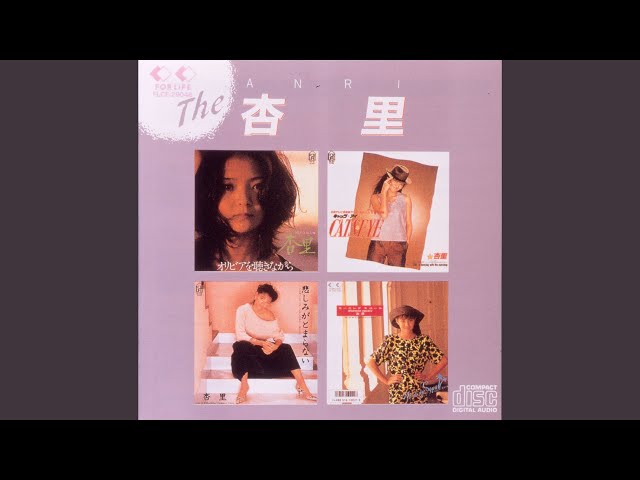
A gem of a love song by Anri that conveys the poignant emotions of a woman whose boyfriend has been taken by her best friend, expressed through an urbane melody and sophisticated arrangement.
With her warm vocal timbre and graceful singing, your heart aches for the heroine who loses both her lover and her friend at once.
Released in November 1983, the song was issued as an advance single from the album “Timely!!” and reached No.
4 on the Oricon weekly chart.
Bolstered by its tie-in with a Shiseido commercial, it generated a huge response.
It’s a song that stays close to your heart when you want to heal the pain of a breakup—something everyone experiences at least once—while reflecting the complicated feelings stirred by the evolving relationship between friend and lover.
In the Middle of a DreamKisugi Takao

A masterpiece that portrays a bittersweet love story of a man and a woman living in the city, themed around parting and reunion.
Released by Takao Kisugi in 1981, the song delicately captures the emotions that intersect amid the hustle and bustle of urban life.
With poetic lyrics by his sister, Etsuko Kisugi, and a nostalgic, urbane melody, the piece achieves a beautiful harmony that resonates deeply with the heart.
The work was released as a single in November 1981 and included on the album “Yume no Tochū,” which came out in December of the same year.
Later, Hiroko Yakushimaru sang it as the theme song for the film “Sailor Suit and Machine Gun,” leading it to become a major hit.
The album “Yume no Tochū” ranked high on the Oricon charts and achieved the impressive result of 11th in annual sales for 1982.
It is a song that gently accompanies those who have experienced a breakup with a lover or who struggle with love amid the clamor of the city.