

Karaoke songs in Western music that get men in their 60s excited: world-famous classics and recommended hits

In this generation, we saw changes in folk music and the rise of rock on the scene.
Someday, I want to play the electric guitar!
I’m sure many people felt that way.
Take a look while reminiscing about those times.
- Recommended Western music for men in their 60s: world classics and popular songs
- [60s] Western Songs Ranking That Hype Up Karaoke [2026]
- [60s] Easy-to-Sing Western Songs Ranking for Karaoke [2026]
- [Karaoke] A Collection of Nostalgic Western Songs That Get Men in Their 70s Fired Up! [2026]
- [Trendy Songs Keep Coming!] Easy-to-Sing Western Music That Heats Up Karaoke
- [For People in Their 60s] Karaoke Songs That Get the Crowd Going: Ranking [2026]
- Top Western Music Rankings Popular with People in Their 60s (By Generation)
- [2026] For Men in Their 50s! A Collection of Classic Western Songs That Get the Crowd Going at Karaoke
- Popular Japanese songs among men in their 60s: recommended masterpieces and classic tracks
- [2026 Edition] Songs Loved by People in Their 60s: Classic Hits from Their Youth
- Karaoke songs in Western music that excite women in their 60s: timeless world classics and recommended popular tracks
- Karaoke songs in foreign languages that are easy for women in their 60s to sing: world classics and recommended popular tracks
- Top Karaoke Hits for People in Their 60s: Popular Western Band Songs Ranking [2026]
Karaoke songs in Western music that get men in their 60s excited: World classics and recommended popular tracks (21–30)
A Whiter Shade Of PaleProcol Harum

A 1967 smash hit by the British group Procol Harum.
The Japanese title is “Aoi Kage” (A Whiter Shade of Pale).
The Bach-like organ is highly striking and shapes the overall image of the piece.
Around 1990, this number was used in a commercial for the Nissan Silvia.
It’s a very classical and cool song—one you’ll want to nail the English pronunciation for and sing perfectly.
Help!The Beatles

The Beatles’ 10th single, released in July 1965.
Although it’s a Lennon–McCartney composition, the lead vocal is by John Lennon, and it’s said to be effectively John’s work.
On TV in Japan, it’s well-known from shows like “Kaiun! Nandemo Kanteidan” and “Eigo de Shabera Night.” As a bit of trivia, at the supermarket Ito-Yokado, the instrumental version of this song is reportedly used as an in-store code to call cashiers from other departments to help when the grocery checkouts get crowded.
Livin’ It UpBill LaBounty

Though not widely known to the general public, this is a quintessential AOR track by Bill LaBounty from 1982.
Any AOR fan will recognize it.
The sound is classic, unmistakable AOR, and it’s also very easy to sing.
Aim for a mature vibe and deliver it with a cool, understated style!
Do It AgainSteely Dan

Steely Dan’s 1972 debut single and their most popular number.
The world crafted by core members Donald Fagen and Walter Becker features an urban, stylish sound.
It likely had a major influence on later AOR musicians.
Sing it with a mature vibe that younger folks can’t quite capture, and you’ll exude pure dandyism for sure!
House of the Rising SunThe Animals
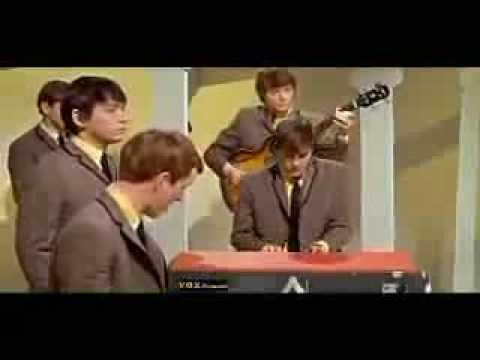
The Japanese title is “Asahi no Ataru Ie” (“The House of the Rising Sun”).
The Animals released it in 1964 and it became a huge hit.
It’s a traditional American folk song with an unknown author.
Many artists, including Bob Dylan, have covered it, but the Animals’ version is the most famous.
Give it your all with Eric Burdon–style passionate vocals!
Mr. Tambourine ManThe Byrds

The Byrds’ 1965 hit number.
The original lyrics and composition are by none other than Bob Dylan.
Roger McGuinn’s 12-string guitar intro is striking and has become the defining sound of this number.
Incidentally, it’s said that this sound later influenced the Beatles’ “Nowhere Man” and “If I Needed Someone.”
Light My FireThe Doors
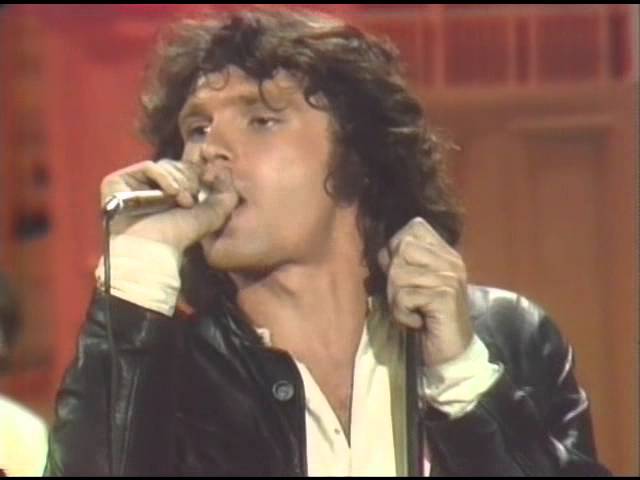
A representative number released in 1967 by the American band The Doors.
The organ in the intro is highly memorable.
In Japan, the song is known as “Light My Fire.” It has been covered by numerous artists, reflecting its enduring popularity.
The vocalist, Jim Morrison, is famous for his rebellious persona, but beyond his band activities he also published several poetry collections and is highly regarded as a poet.