

Karaoke songs in Western music that get men in their 60s excited: world-famous classics and recommended hits

In this generation, we saw changes in folk music and the rise of rock on the scene.
Someday, I want to play the electric guitar!
I’m sure many people felt that way.
Take a look while reminiscing about those times.
- Recommended Western music for men in their 60s: world classics and popular songs
- [60s] Western Songs Ranking That Hype Up Karaoke [2026]
- [60s] Easy-to-Sing Western Songs Ranking for Karaoke [2026]
- [Karaoke] A Collection of Nostalgic Western Songs That Get Men in Their 70s Fired Up! [2026]
- [Trendy Songs Keep Coming!] Easy-to-Sing Western Music That Heats Up Karaoke
- [For People in Their 60s] Karaoke Songs That Get the Crowd Going: Ranking [2026]
- Top Western Music Rankings Popular with People in Their 60s (By Generation)
- [2026] For Men in Their 50s! A Collection of Classic Western Songs That Get the Crowd Going at Karaoke
- Popular Japanese songs among men in their 60s: recommended masterpieces and classic tracks
- [2026 Edition] Songs Loved by People in Their 60s: Classic Hits from Their Youth
- Karaoke songs in Western music that excite women in their 60s: timeless world classics and recommended popular tracks
- Karaoke songs in foreign languages that are easy for women in their 60s to sing: world classics and recommended popular tracks
- Top Karaoke Hits for People in Their 60s: Popular Western Band Songs Ranking [2026]
Karaoke Songs in Western Music That Get Men in Their 60s Fired Up: World Classics and Recommended Popular Tracks (31–40)
Without YouBadfinger

A 1970 song by the British rock group Badfinger.
Cover versions by Nilsson and, more recently, Mariah Carey are very well known.
According to the American Society of Composers, Authors and Publishers, the song has been recorded by as many as 180 artists.
However, it seems that Badfinger’s own version was not released as a single (in Japan, it was included on the B-side of a single).
Why not try singing it in the version by your favorite artist?
What you won’t do for loveBobby Caldwell
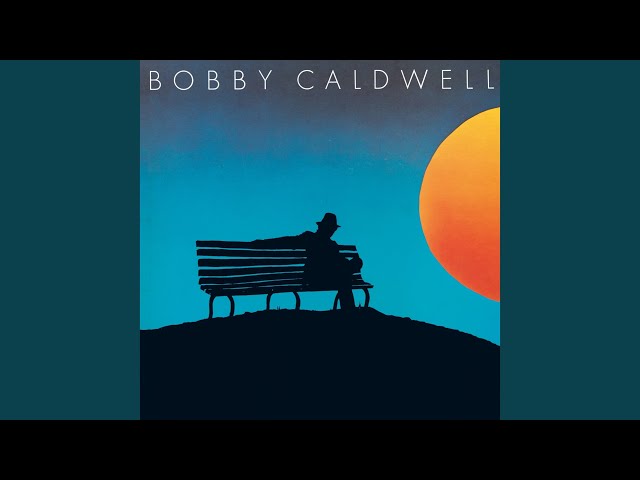
The 1978 debut song by Bobby Caldwell, the “Mr.
AOR.” Known in Japan as “Shadow of the Wind.” Bobby Caldwell is an artist who is extremely popular not only in the United States but also in Japan.
As he is a very skilled vocalist, the song may be somewhat challenging to perform.
Arthur’s ThemeChristopher Cross
Christopher Cross’s 1981 work.
In Japan, it’s very well known as “New York City Serenade.” His clear, high-toned voice is one of a kind—and being able to imitate it would be quite a feat.
Incidentally, during his childhood from ages five to nine, he lived in Japan (Yoyogi, Tokyo) due to his father’s job as an army doctor.
Help!The Beatles

The Beatles’ 10th single, released in July 1965.
Although it’s a Lennon–McCartney composition, the lead vocal is by John Lennon, and it’s said to be effectively John’s work.
On TV in Japan, it’s well-known from shows like “Kaiun! Nandemo Kanteidan” and “Eigo de Shabera Night.” As a bit of trivia, at the supermarket Ito-Yokado, the instrumental version of this song is reportedly used as an in-store code to call cashiers from other departments to help when the grocery checkouts get crowded.