
A classic Japanese song that sings of sorrow

In everyday life, we all go through sad experiences—like heartbreak or setbacks at work.
When you’re feeling down, some people listen to upbeat, energizing songs to lift their spirits, while others intentionally choose sad songs.
Which are you?
Sometimes, letting yourself sink into the ultimate sentimental mood with a sad song can actually make the sadness fade.
Here, we’ll introduce some classic Japanese songs that sing of sorrow!
Top 10 classic Japanese songs about sorrow
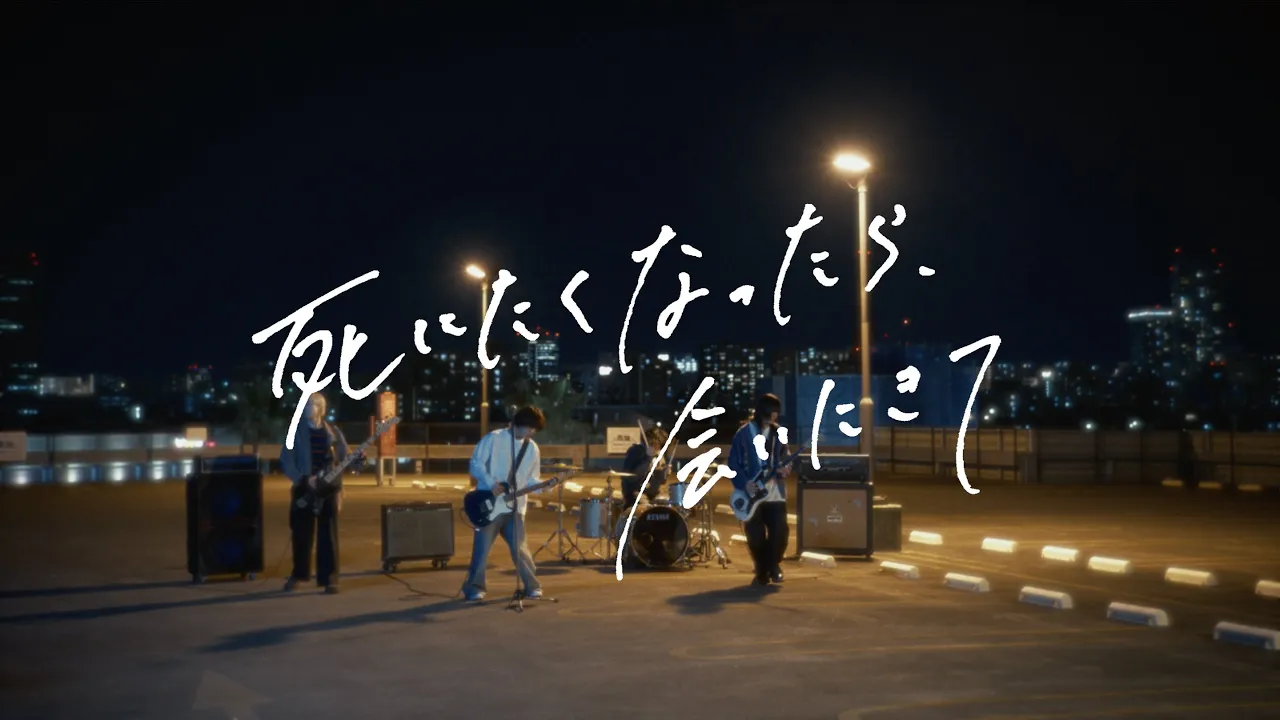
Come see me if you ever feel like dying.NEW!Blue Mash

This is a track from Blue Mash, a four-piece rock band from Neyagawa, Osaka, on their major-label debut full-length album, “Naku na, Seishun.” Released in March 2026, the song is imbued with an earnest intensity—vocalist Yuto even calls it “the best song I’ve ever written.” The title phrase turns out to be a gentle word once given by the other person, a paradoxical twist that hits hard.
Set against springtime scenery, the lyrics sing of the absence of someone who was once a pillar of support, vividly portraying the pain of heartbreak and the sense of youth slipping away.
The impulsive band sound, honed through nearly a hundred shows a year, and the urgent melody tug at the emotions.
It’s a song we especially hope will reach those who have experienced parting with someone dear and are left with inescapable longing and a profound sense of loss.
IFNEW!Novelbright

Introducing a song that gently embraces the complex feelings of a man who has experienced parting with someone precious and, while watching their figure fade into the distance, tries to move forward.
It’s the final, 13th track on Novelbright’s album “PYRAMID,” released in April 2026.
The lyrics were written by guitarist Kaito Yamada, who overlaid the band members’ own steps and changes, while vocalist Yudai Takenaka and others composed the music.
It holds a warm gaze that stays close to loneliness and anxiety.
The lyrical melody, with deliberate space, and the crystal-clear vocals resonate deep in the heart.
It’s pop-rock that gently gives you a push when you want to believe in the future even as you carry the sadness of parting.
Goodbye to an angelNEW!shaitoopu

Shaityope is a three-piece band that shot from a social media–born viral hit to the major scene.
Released digitally in January 2024, this work offers the lyrical texture of J-ROCK and serves as a mid-tempo ballad that colors the closing stretch of their subsequently released first full-length album, “Hors d’Oeuvre.” Written as fiction by songwriter-composer So Sasaki, it later eerily overlapped with his own reality and struck him deeply—a curious anecdote attached to the song.
Set against delicate production that even conveys the cold, dry air of winter, it depicts the resolve to keep walking one’s own path despite the pain of loss.
It’s a tear-jerking number that stands beside you on nights when lingering feelings for someone make your chest ache and you need the courage to face forward.
It’s a sad color, isn’t it?Ueda Masaki

Masaki Ueda, a soul singer from Kyoto.
His husky, deeply emotive, and overwhelming vocals stand out with a singular presence in the history of Japanese popular music.
His biggest hit representing his solo era is the single “Kanashii Iro Yane – OSAKA BAY BLUES,” released in October 1982.
Jinsei Tsuji’s poignant, female-perspective lyrics woven in Kansai dialect blend beautifully with Tetsuji Hayashi’s urbane, sophisticated melody.
The song gradually gained popularity through cable radio, and in 1988 it was chosen as the theme song for a film of the same name.
Portraying urban melancholy and the subtleties between men and women, this masterpiece carries a warmth that gently stays by your side on nights when your heart feels a little tired.
Heartbreak—Are you happy now?sonā poketto

Sonar Pocket, who have earned support with their heartrending love songs.
This work is a heartbreak song that was released digitally in December 2012 and later included on the album “Sonapocketism 4 ~A Flower Called You~.” It was selected as the ending theme for TV Asahi’s “BREAK OUT” and Kyushu Asahi Broadcasting’s “DOOMO” for December 2012, and has been widely loved ever since.
It vividly portrays unresolved feelings for an ex and the pain of imagining their current situation.
More than simple sorrow, this piece presses on the heart with the regret and lingering attachment that remain after a relationship ends.
If you’ve experienced a parting with someone important and your heart hasn’t caught up yet, listening to this will surely resonate with your own experience and gently stay by your side.
The Rain and Meback number

A breakup song by back number, the band that has captivated many with their love songs.
It laments a love that has just ended, unbearably sad and beyond saving.
It’s a heartbreaking love song that captures the pain of sorrow, hardship, and blaming one’s own helplessness.
The track is included on their sixth album, MAGIC, released in March 2019.
Even as the years pass, the aching feelings for a former lover you can’t forget make your chest tighten.
If, like the song’s protagonist, there’s someone you can never forget, this is a must-listen recommendation.
Why do I feel so sad?yoshida takurou

Have you ever felt a sudden wave of loneliness while walking alone through the city late at night? This song, included on the album “Ningen Nante,” released in November 1971, is one that gently stays by your side in such wistful moments.
It’s said that Takuro Yoshida wrote it in one go after returning home from Shinjuku and listening to James Brown, riding that emotional momentum.
The band sound featuring Kazuhiko Kato and others sinks deeply into a lonely heart.
In 2017, it was used as the ending theme for TV Tokyo’s drama “Pense,” bringing it renewed attention.
Try listening to it quietly at night, sipping a drink by yourself.
This timeless work will gently soothe your tired soul.