
[March] A curated selection of classic marches and dazzling crowd-pleasers for concerts!


A march is a type of musical piece for marching.
In everyday settings, it’s often used as background music for parade-style processions at school sports festivals.
Originally, marches were performed for military parades and ceremonial occasions such as weddings and funerals.
When we think of marches, we often picture powerful percussion rhythms and bright, brassy melodic lines.
However, there are also pieces known as concert marches—written for performance in concert settings—that are characterized by an elegant, beautiful atmosphere.
In this article, we’ll introduce a variety of marches all at once, and we hope it will help you choose background music for processions or select repertoire for concerts.
- [March] Carefully selected popular songs recommended for entrance and exit at sports days and athletic festivals!
- Perfect for free selections and concert programs! Introducing famous and classic favorites in wind ensemble music.
- A classic brass band medley
- [History] A roundup of popular set pieces from the All-Japan Band Competition
- Songs that hype up the athlete entrance at school sports festivals
- Songs with cool trumpet. Introducing famous pieces from wind ensemble and jazz.
- [Brass/Wind Band] Recommended for Beginners! A Collection of Classics and Popular Pieces Perfect for Practice
- [Wind Band] Guaranteed to hype up the school festival! Recommended pieces the brass band will want to play
- [Japanese Military Songs and Marches] A collection of famous Japanese pieces deeply etched in the hearts of the Showa and wartime generations
- Recommended pieces for a wind band contest
- Top Songs to Hype Up Sports Day and Athletic Festivals [2026]
- A collection of video game music I want to perform in a wind ensemble
- [March] A selection of famous march masterpieces played on the piano!
[March] Carefully Selected Classics of Marches and Brilliant Pieces Popular at Concerts! (41–50)
RaijinJohn Philip Sousa

It’s a piece by the American composer John Philip Sousa, written in 1889.
In Japanese, it’s also known as “Raijin March” or “The Thunderer.” The title’s “thunder god” refers to Zeus from Greek mythology, who wields thunder as his weapon.
There are passages where the brass instruments depict lightning and thunder, so it might be fun to listen while trying to spot them.
It’s a relatively easy piece to perform, so it would be a good choice for a school band or wind ensemble concert.

Young powerShinichi Takada

This is a classic sports day staple that everyone in Japan knows, created during the postwar reconstruction period.
Composed by Shinichi Takata as a sports song to enliven the National Sports Festival venues, it is notable for its bright and powerful melody.
At the second National Sports Festival held in Kanazawa in October 1947, about 4,200 sixth-grade boys and girls performed a group routine to this piece, captivating the audience.
Since then, it has been widely loved as background music for school sports days and athletic festivals across the country.
With an up-tempo beat that makes you want to run, it was also used at the opening ceremony of the 2020 Koshien High School Baseball Exchange Games.
Highly recommended if you’re looking for a march for sports days or a lively piece for group performances.
Festive MarchDan Ikuma

This march was composed in 1959 to celebrate the marriage of the then Crown Prince.
Although it was not performed during the wedding parade known as the Parade of the Century, it has since been played at subsequent events and used as background music on television programs, making it a piece many people are likely to have heard.
It begins with a fanfare that is both powerful and refined, followed by smooth woodwind passages and brilliant brass phrases that are beautifully crafted and evoke a sense of elegance.

The wind of MayMajima Toshio

May Breeze is a march composed by Toshio Mashima, a legend who led Japan’s wind band scene.
Chosen as a set piece for the 1997 All-Japan Band Competition, it became very popular, with more than half of that year’s participating ensembles performing it.
True to its title, it’s a refreshing march that evokes the feel of spring.
The opening section is written in 6/8 time and is played with a different sense of rhythm from the main march theme.
Getting into the groove of this changing meter is the key to playing it well.

Olympic MarchKoseki Yūji
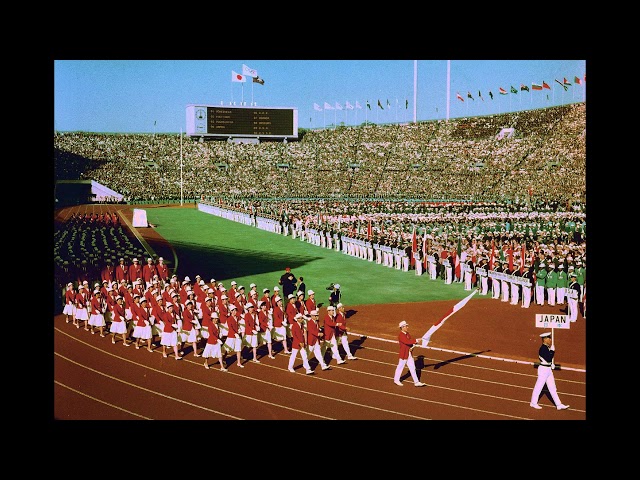
Composed for the 1964 Tokyo Olympics, this piece was also featured in NHK’s 2020 morning drama Yell.
Its crisp, lively melody gives it the refreshing character of a true march, which is part of its appeal.
It’s also a great choice for school sports days, with the brass band playing as they march.
Incidentally, the ending section incorporates an arranged version of the final phrase of Kimigayo, reminding us that this is a piece created for a nationwide celebration of sport.
In conclusion
We introduced popular and classic march pieces.
Even within marches, the character varies widely—from pieces with the vigorous power typical of traditional marches, to concert marches with an elegant, beautiful atmosphere, and even works composed as set pieces for wind band contests.
Each has its own appeal, and listening to them can make you feel a surge of strength from within.
I hope this article helps you choose repertoire for events and concerts.