

Classical Music for Summer: A Selection of Cool and Refreshing Masterpieces


What scenes come to mind when you think of summer?
A sparkling blue sea, dazzling white sands under the blazing sun, mountains dressed in vivid green…
Even in sticky, sweltering heat, doesn’t picturing a refreshing landscape make the heat feel just a little more bearable?
In this article, we’ll introduce classic works that are perfect for summer and will help expand those images even further.
Let’s spend this summer feeling refreshed, accompanied by exquisite classical music that creates a cool, breezy atmosphere.
- [Piano] Piano Pieces to Enjoy in the Hot Summer: A Selection of Refreshing Classical Works
- Timelessly beautiful classical masterpieces. Recommended classical music.
- [Masterpiece Classics] A special showcase of gem-like masterpieces so beautiful they’ll move you to tears
- Cool classical masterpieces. Recommended classical music.
- [Classics] Timeless Summer Hits Recommended for All Ages [Summer Songs]
- [Violin] A curated selection of beloved classic masterpieces and popular pieces that continue to be cherished across eras
- Classical masterpieces. Recommended classical music.
- A poignant classic masterpiece. Recommended classical music.
- Taro Hakase’s famous and popular songs
- Classical music by Japanese composers. Recommended classical music.
- Bedřich Smetana Popular Songs Ranking [2026]
- Morning Classics | A selection of classic masterpieces recommended for those who want to wake up feeling great
- Masterpieces for Harp: A curated selection of distinguished works featuring noble and delicate tones
Classical Music for Summer: A Selection of Cool and Refreshing Masterpieces (31–40)
Prélude to the Afternoon of a FaunClaude Debussy
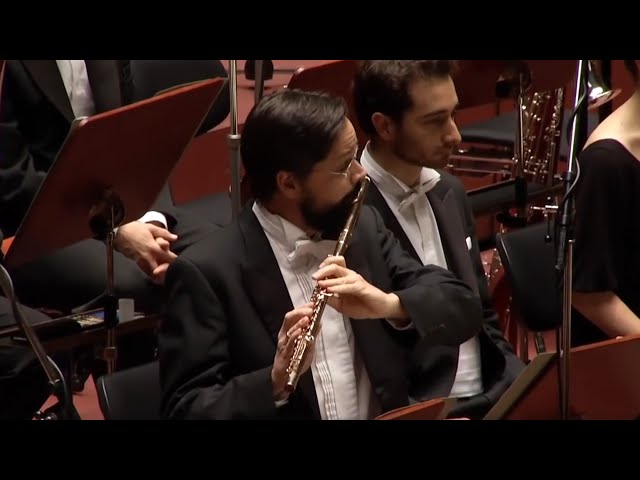
A masterpiece that became the breakthrough work of Claude Debussy, a leading composer of Impressionist music.
Inspired by a poem depicting a faun’s sensual daydream on a summer afternoon, the piece gives the flute a symbolic role.
In the solo passages in the low to middle register, the flute exquisitely conveys a languid atmosphere.
Combined with the resonance of the harp, it weaves a world like a midsummer afternoon’s dreamy haze.
At its premiere in December 1894, it received two encores.
A landmark that, with its innovative techniques, had a profound impact on modern music.
A perfect piece for those who want to forget the summer heat and feel refreshed through music.
Three Concert Études, S.144/R.5: No. 3 “Un Sospiro”Franz Liszt

Franz Liszt’s work captivates with its flowing, mellifluous melody.
Widely beloved as a masterpiece for piano, this piece was composed between 1845 and 1849.
Written around the time Liszt became a court music director, it features an emotionally rich melodic line that reflects Chopin’s influence.
Though it demands advanced technique to carry the melody seamlessly between both hands, its beauty is sure to soothe the listener’s heart.
With a cool, refreshing resonance that makes you forget the summer heat, this piece is recommended for those who wish to relax and listen on a quiet night.
Sicilienne, Op. 78Gabriel Fauré

Characterized by delicate melodies and an elegant atmosphere, this piece is one of Gabriel Fauré’s signature works.
Fauré was a French composer active from the late 19th to the early 20th century.
Composed in 1893 and later arranged for cello and piano, the piece is based on the dance form known as the siciliana.
It opens with a gentle, flowing melody, with the cello presenting the main theme while the piano provides an expressively shaped accompaniment.
Evoking a pastoral beauty, the work is beloved by many music enthusiasts for its tranquil sonorities and sentimental expression.
It’s a perfect recommendation for those seeking a refreshing, cool ambiance that makes you forget the summer heat.
Swedish Rhapsody No. 1 “Midsummer Vigil,” Op. 19Hugo Alfvén

Here is a piece composed in 1903 by the Swedish composer Hugo Alfvén.
It might be one of the most famous pieces in Sweden.
It is said to depict waking up at midsummer in old Sweden.
This slightly humorous piece has a catchy melody that has been quoted by many people.
I feel it sounds remarkably similar to the theme music of Japan’s long-running program “Today’s Cooking” (Kyō no Ryōri); could that be an homage to this piece?

Symphonic Poem “A Summer Fairy Tale,” Op. 29Josef Suk

Symphonic Poem “A Summer Tale,” Op.
29, which depicts the complex shifts of human emotion, is also highly recommended.
This work was composed by the Czech composer Josef Suk and consists of five pieces, from “Voices of Life and Consolation” to “Night.” Its hallmark is the dramatic change in tone throughout.
The first half is gentle, but it gradually transforms into a powerful, intense sound.
It is said to reflect the social climate of the time, as well as the changing emotions—joy, anger, sorrow, and pleasure—that arose within it.

Classical Music for Summer: A Pick of Cool and Refreshing Masterpieces (41–50)
Symphony No. 6 in F major “Pastoral,” Fourth MovementLudwig van Beethoven

Composed in the summer of 1801 in Heiligenstadt, a suburb of Vienna that Beethoven deeply loved for its nature.
In the fourth movement, “Thunderstorm,” unstable harmonies and the intense motion of the cellos and double basses depict a ferocious storm.
An Alpine SymphonyRichard Strauss

Strauss’s experience climbing in the German Alps as a boy forms the basis of this piece, depicting a story from starting the ascent early in the morning to descending the mountain.
Amid the beautiful nature of the summer mountains and a fierce thunderstorm, Strauss returned from the climb and is said to have recreated the experience on the piano the very next day.