

Trivia you’ll want to share once you know it! A quiz collection of surprising, little-known facts about sumo

Sumo, a traditional Japanese culture with a long history, reveals a deeper and deeper world the more you learn about it.
You might be surprised by how many things aren’t widely known, such as the number of days a grand tournament runs, the variety of winning techniques, and the hidden rules in wrestlers’ daily lives.
In this article, we present trivia and fun facts about sumo in quiz format.
It’s full of tidbits you’ll want to share, like “mawashi aren’t washed” and “active wrestlers are banned from driving.” Give it a try together—kids and adults alike!
- How many can you get right? Dive into baseball rules and trivia with a fun quiz
- Make your summer festival even more fun! Trivia quizzes and fun facts for kids
- Trivia quiz with useful tips to know: fun facts that come in handy at school or at home [for kids]
- Exciting! Trivia quizzes that you’ll want to tell others about. A collection of surprisingly little-known facts.
- Trivia quiz for the Day of the Ox in midsummer: little-known facts about customs
- Recommended for elementary school students! Trivia quiz you'll want to share once you know it
- [For Kids] Fun Summer Trivia Quiz & Facts
- [For Elementary School Kids] A New Year’s Quiz Everyone Can Enjoy! Learn surprising fun facts with multiple-choice questions
- [Killing Time] A Collection of Fun Trivia Quizzes You'll Want to Share with Someone
- A three-choice quiz of useful trivia: a collection of questions you can use in everyday life
- [Great for speeches] Trivia and fun-fact quizzes recommended for morning assemblies
- True-or-false quiz for adults: a full roundup from common-sense questions to surprising trivia!
- How many can you answer? Trivia and fun facts quiz about rice
Trivia you’ll want to share once you know it! A quiz collection of little-known facts about sumo (1–10)
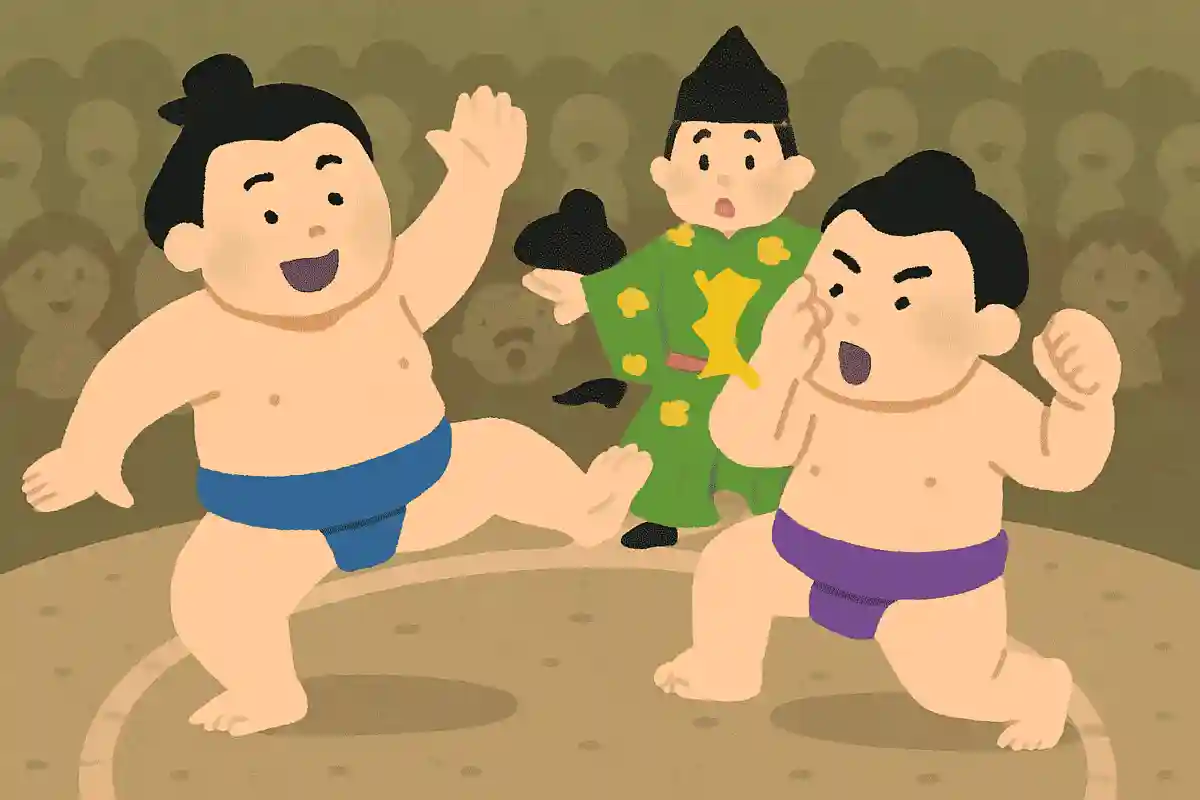
What is the performance that humorously introduces sumo’s prohibited techniques called?
- street performance
- opening performance
- Preface
See the answer
opening performance
The fun and easy-to-understand way to show sumo’s prohibited moves is “Hatsukiri.” This is a short performance held before a bout begins that introduces winning techniques and things you must not do, with a touch of humor. Said to date back to the Edo period, it is cherished as a device that helps even first-time viewers enjoy sumo.

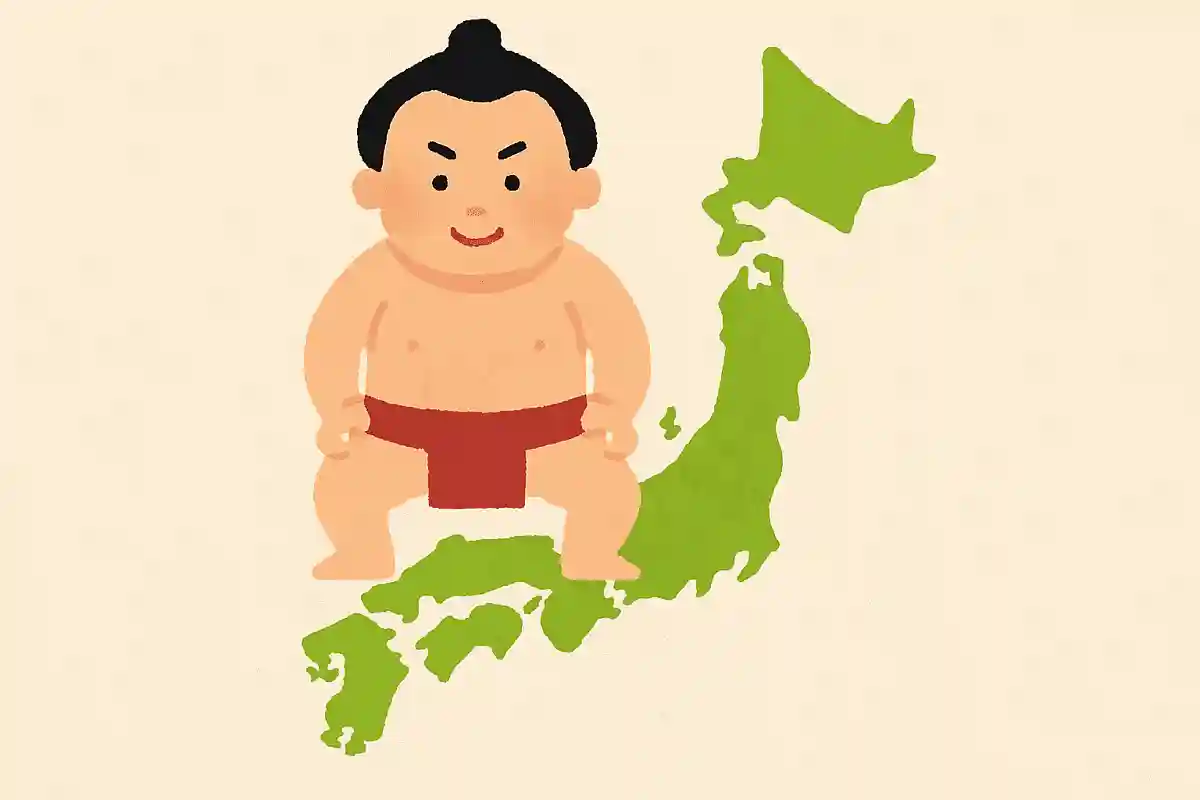
Which prefecture is said to be the birthplace of sumo?
- Tokyo Metropolis
- Nagasaki Prefecture
- Shimane Prefecture
See the answer
Shimane Prefecture
Shimane Prefecture is said to be the birthplace of sumo. The Kojiki contains stories of gods testing their strength. There is also a tradition that, in ancient imperial times, Nomi no Sukune of Izumo and Taima no Kehaya wrestled. Because of these accounts, Shimane Prefecture is cherished as the birthplace of sumo.
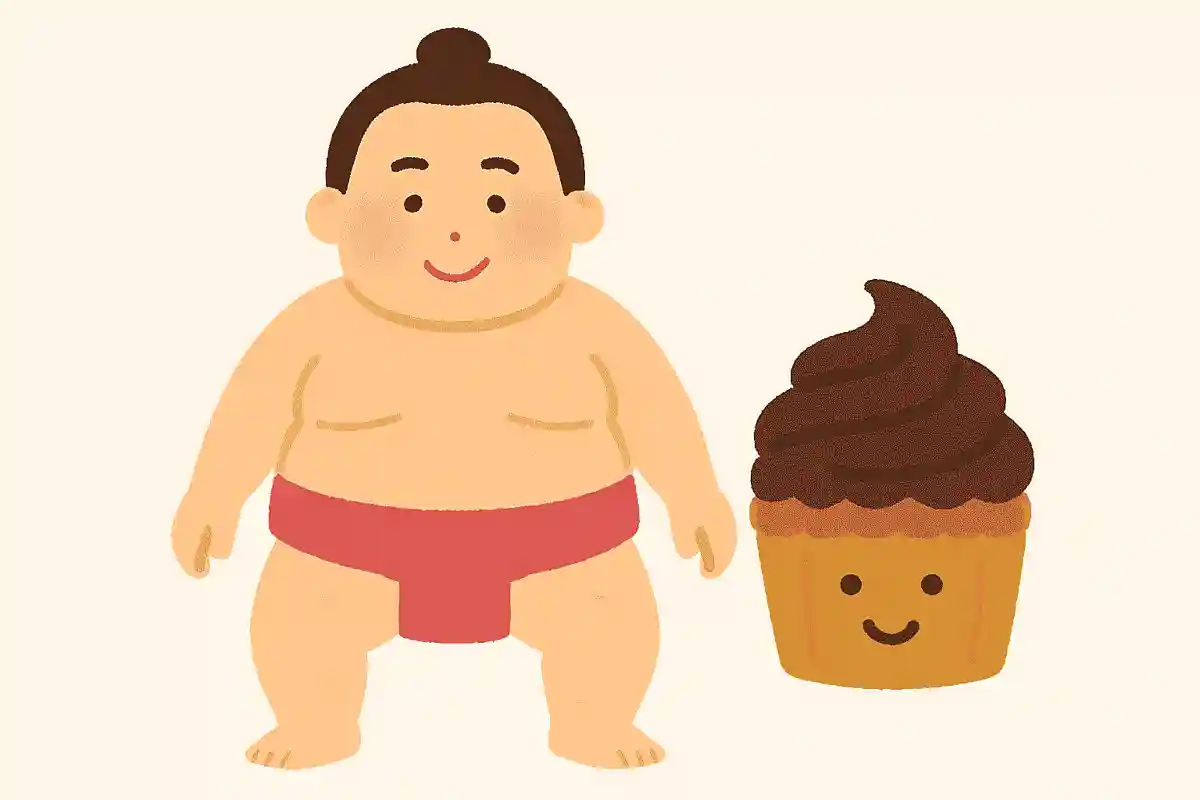
What is the sweet, candy-like word used to refer to heavyweight sumo wrestlers?
- sweet red bean paste
- dango
- starch syrup
See the answer
sweet red bean paste
In sumo, very large and heavy wrestlers are sometimes called “anko.” This has nothing to do with sweet red bean paste; the term comes from their round, anglerfish-like body shape. Conversely, thin and slender wrestlers are called “soppu,” a word for “soup,” said to liken them to chicken bones after the broth has been made. Sumo includes these kinds of interesting expressions.
Trivia you'll want to share once you know it! A quiz collection of little-known facts about sumo (11–20)
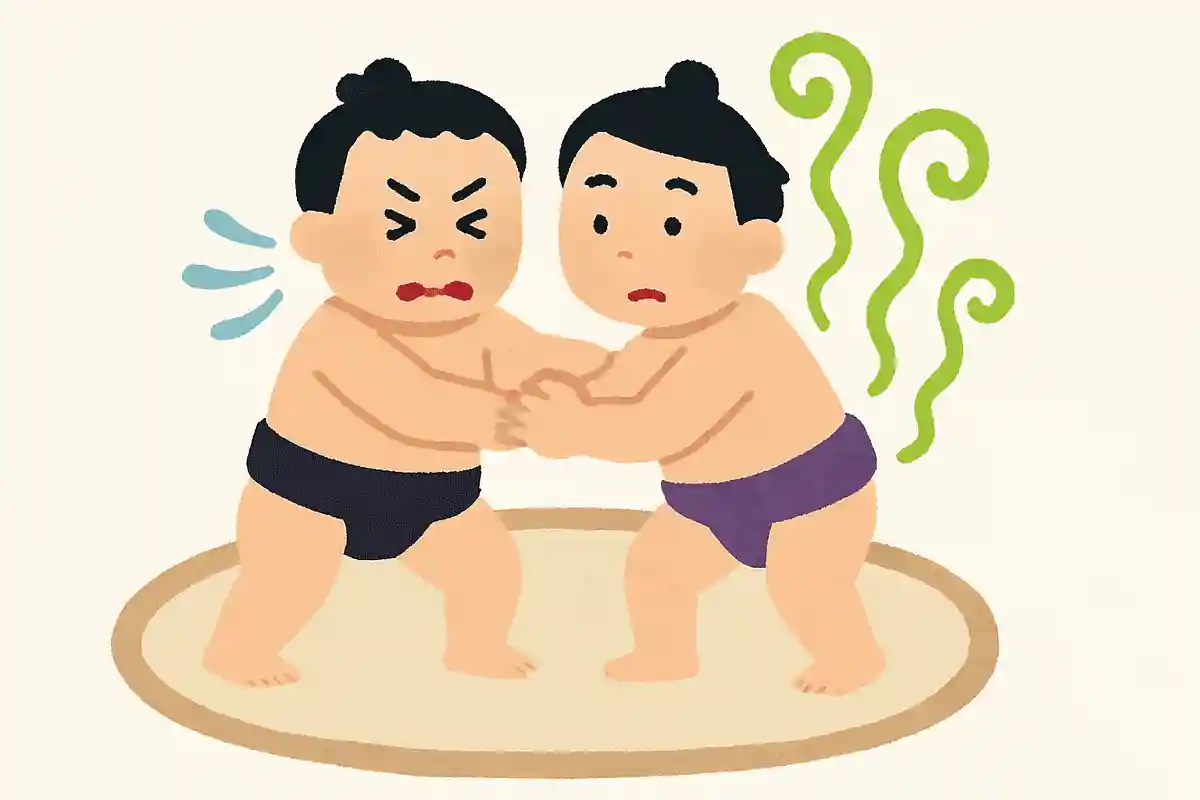
There is a type of disqualification called “fujō-make” (loss by impurity). What would cause a fujō-make?
- fell on my butt
- The mawashi came off.
- The tape came off.
See the answer
The mawashi came off.
The term “fujō-make” refers to a rule where, if a wrestler’s mawashi comes off and his groin is exposed, he immediately loses by foul. A recent example occurred in the May 2000 tournament in the Sandanme division: during the bout between Asanokiri and Chiyohōō, Asanokiri’s mawashi came off, resulting in a fujō-make.
What is the minimum weight in kilograms required to become a sumo wrestler?
- 55 kg or more
- 67 kg or more
- 79 kg or more
See the answer
67 kg or more
To become a sumo wrestler (rikishi), there are several requirements. Basically, you must have completed compulsory education, be at least 167 cm tall and 67 kg in weight, and be a male under 23 years old at the time of the new apprentice examination. However, those who have achieved excellent results in student or amateur sumo are exempt from the physique requirements, and the age limit is extended to under 25.
Why do sumo wrestlers throw salt?
- To purify the sumo ring
- To emphasize strength
- For the promotion of salt sales
See the answer
To purify the sumo ring
The custom of sumo wrestlers sprinkling salt is to purify the ring. In the past, sumo was performed as a Shinto ritual to pray for a good harvest, and the ring was considered sacred. For that reason, wrestlers began scattering purifying salt to cleanse the ring and pray for safety and victory. This tradition continues today and remains one of the important formalities of sumo.
How many foreign wrestlers can belong to each sumo stable?
- 1 person
- 2 people
- There are no restrictions now.
See the answer
1 person
Each sumo stable is allowed to have at most one foreign wrestler. In the past, the total number of foreign wrestlers was capped at 40, with a limit of two per stable. However, since 2002, the overall cap has been removed and the rule was changed to allow only one foreign wrestler per stable.