


Sumo, a traditional Japanese culture with a long history, reveals a deeper and deeper world the more you learn about it.
You might be surprised by how many things aren’t widely known, such as the number of days a grand tournament runs, the variety of winning techniques, and the hidden rules in wrestlers’ daily lives.
In this article, we present trivia and fun facts about sumo in quiz format.
It’s full of tidbits you’ll want to share, like “mawashi aren’t washed” and “active wrestlers are banned from driving.” Give it a try together—kids and adults alike!
- How many can you get right? Dive into baseball rules and trivia with a fun quiz
- Make your summer festival even more fun! Trivia quizzes and fun facts for kids
- Trivia quiz with useful tips to know: fun facts that come in handy at school or at home [for kids]
- Exciting! Trivia quizzes that you’ll want to tell others about. A collection of surprisingly little-known facts.
- Trivia quiz for the Day of the Ox in midsummer: little-known facts about customs
- Recommended for elementary school students! Trivia quiz you'll want to share once you know it
- [For Kids] Fun Summer Trivia Quiz & Facts
- [For Elementary School Kids] A New Year’s Quiz Everyone Can Enjoy! Learn surprising fun facts with multiple-choice questions
- [Killing Time] A Collection of Fun Trivia Quizzes You'll Want to Share with Someone
- A three-choice quiz of useful trivia: a collection of questions you can use in everyday life
- [Great for speeches] Trivia and fun-fact quizzes recommended for morning assemblies
- True-or-false quiz for adults: a full roundup from common-sense questions to surprising trivia!
- How many can you answer? Trivia and fun facts quiz about rice
Trivia you’ll want to share once you know it! A quiz collection of little-known facts about sumo (1–10)
What does “chanko” refer to?
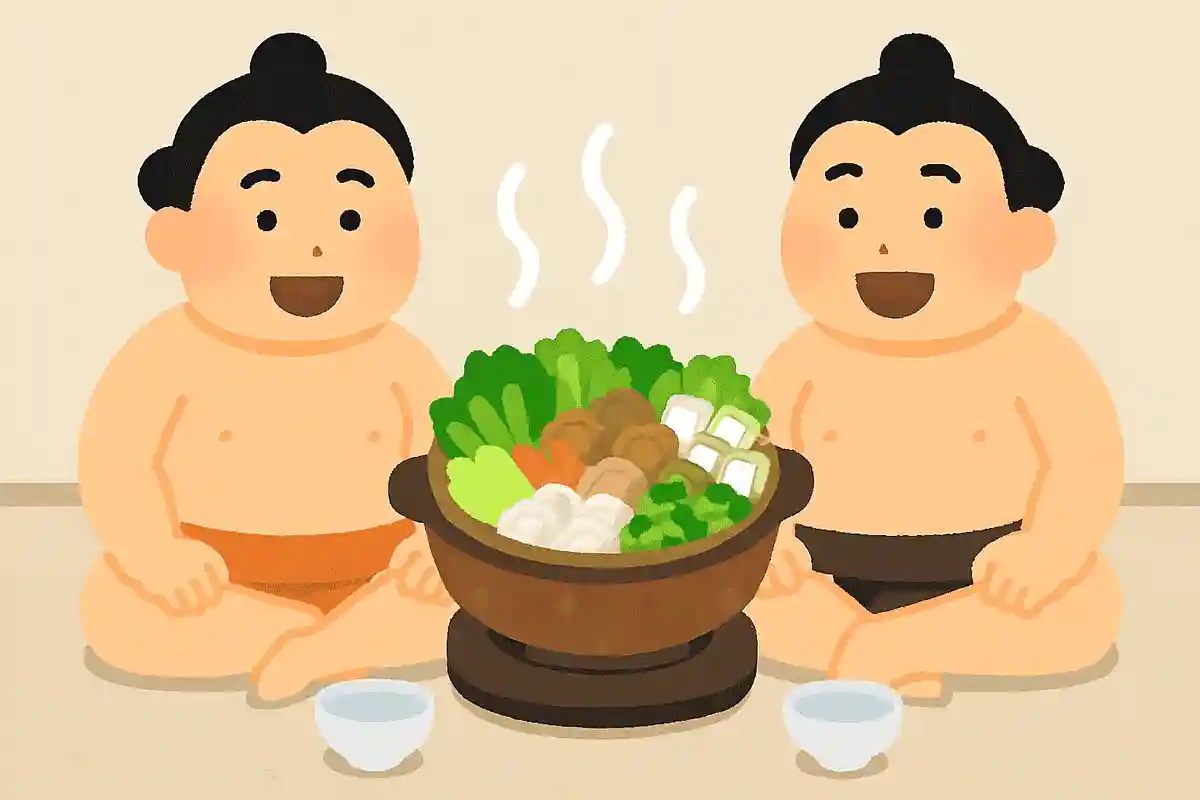
- chanko hot pot
- All kinds of dishes made by a chanko chef
- Meat dishes in general
See the answer
“Chanko” refers to meals prepared by the person on cooking duty in a sumo stable. Not only hot pot dishes, but also curry and hamburg steak are considered chanko. Because it’s easy to make in large quantities, hot pots became common, and “chanko-nabe” became famous.

Among these, what is prohibited for active sumo wrestlers?
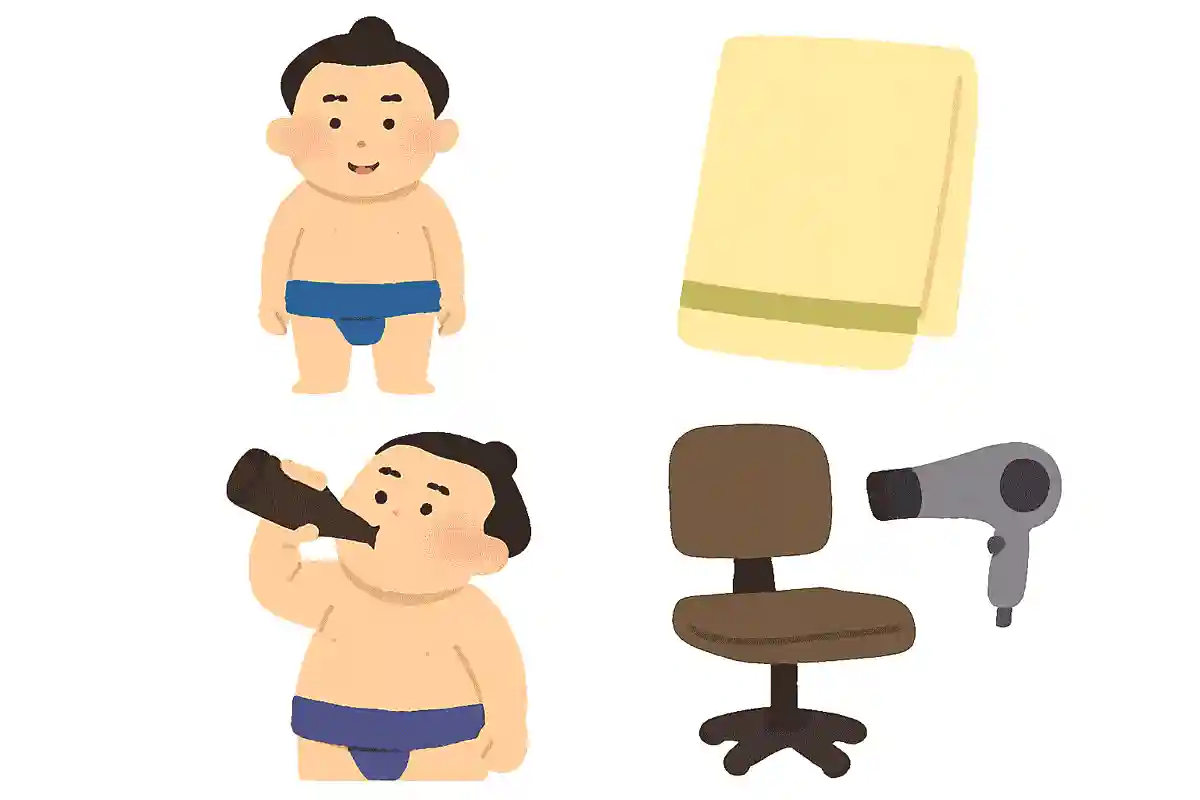
- Energy drink consumption
- driving
- Theatre viewing
See the answer
driving
Active sumo wrestlers are not allowed to drive cars in their daily lives. This is because, in the past, wrestlers caused multiple traffic accidents, including tragic ones. Therefore, driving was prohibited to protect everyone’s safety. However, they are allowed to obtain a driver’s license and attend driving schools.
How often do you wash your mawashi?
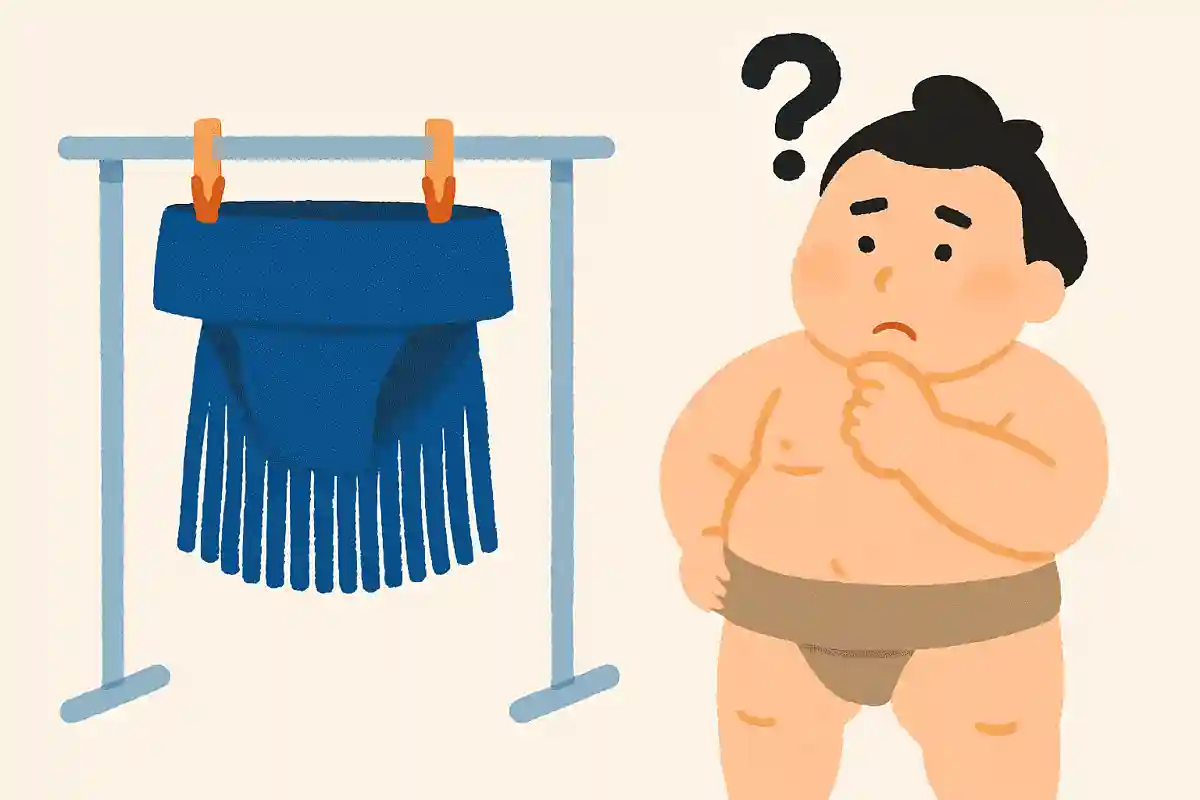
- Do not wash
- Once a week
- once a month
See the answer
Do not wash
The mawashi used in sumo is not washed. Instead, the dirt is brushed off and it is dried in the sun. This reflects a wish to “not wash away defeats.” Also, because washing it with water weakens the fabric, mawashi are carefully used without washing.
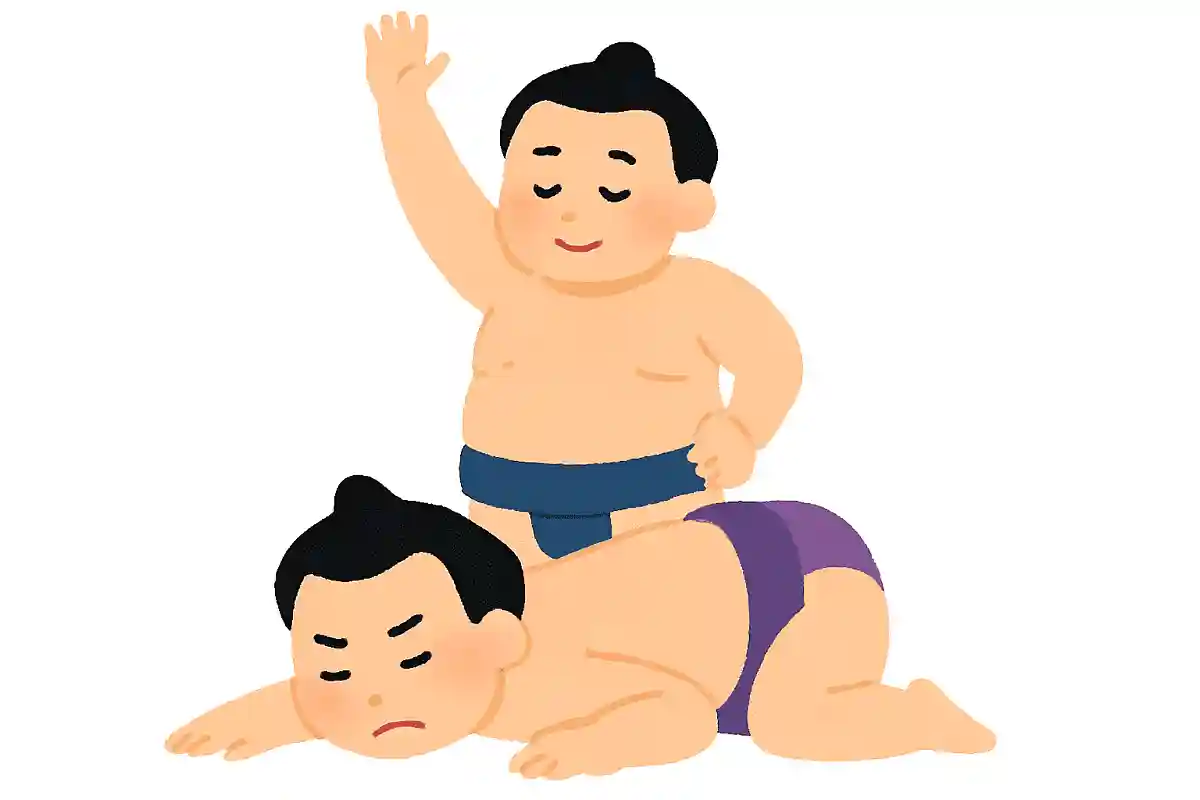
What do you call the technique that was used when the outcome was decided?
- finishing move
- Winning technique
- special move
See the answer
Winning technique
In sumo, the technique used when a bout is decided is called a “kimarite.” The Japan Sumo Association classifies sumo techniques into 82 techniques and five non-technique outcomes. These five represent cases where the match is decided by things like a wrestler falling on his own. Looking at the kimarite in this way reveals the depth of sumo.
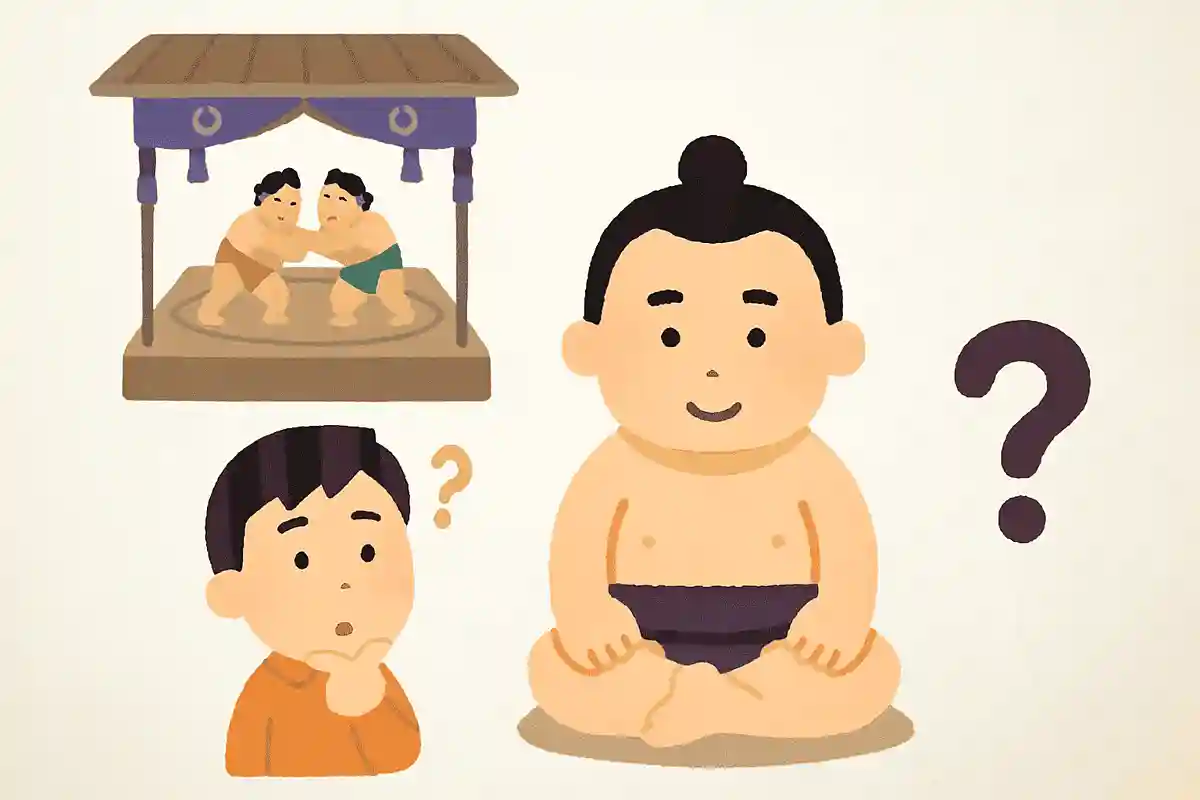
How many days is a Grand Sumo Tournament held?
- 15 days
- 30 days
- 45 days
See the answer
15 days
A Grand Sumo tournament (honbasho) is held over 15 consecutive days. Each wrestler has one bout per day, and their record is determined by the number of wins and losses. With 8 or more wins, it’s called kachikoshi, making it easier to be promoted on the next ranking sheet (banzuke). With 7 or fewer wins, it’s makekoshi, which can result in a drop in rank. Also, wrestlers who achieve good results receive increased prize bonuses (rikishi houshoukin), recognizing their efforts.
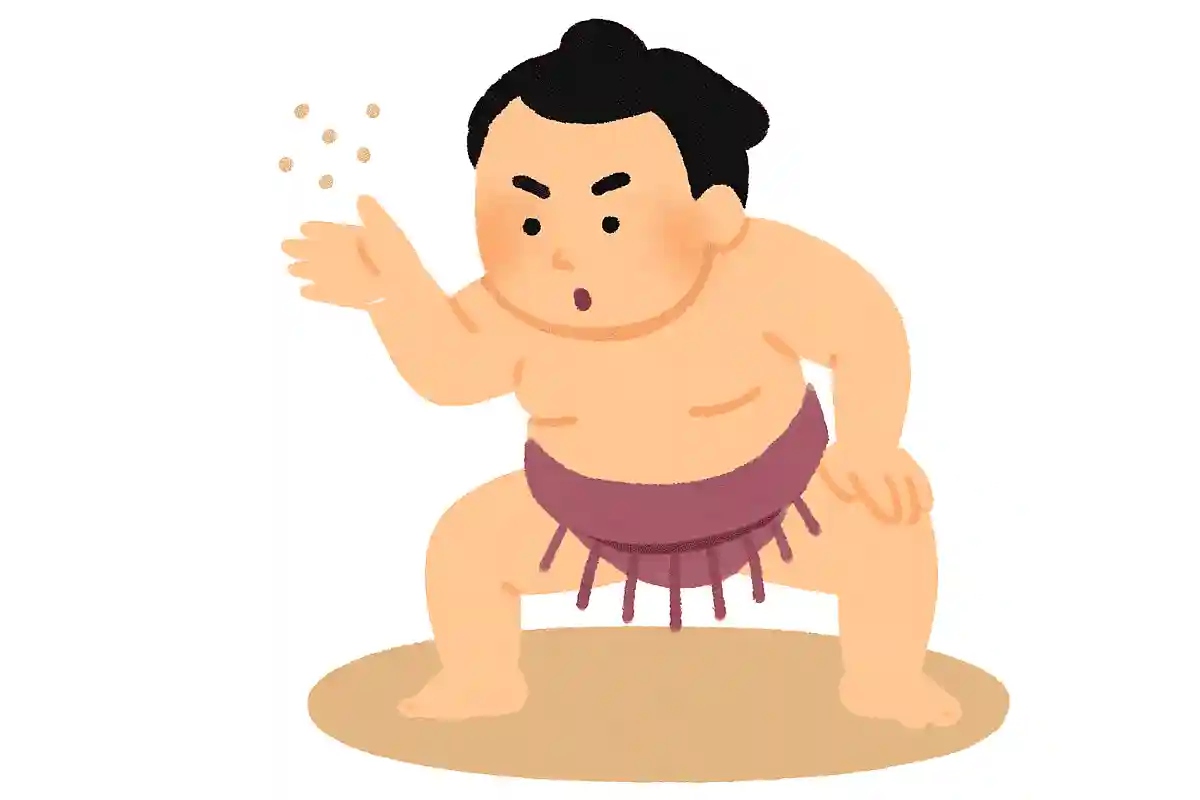
What is the meaning behind “chiri-chozu,” one of the etiquette practices in sumo?
- I am not carrying a weapon.
- Bring it on.
- I’m ready
See the answer
I am not carrying a weapon.
Chiri-chōzu is said to have originated long ago when sumo wrestlers used it to show each other that they carried no weapons. They squat, rub their hands together twice, clap once, then spread their hands to the sides and turn the palms from up to down. This derives from the practice of wiping their hands with grass when no purifying water was available.
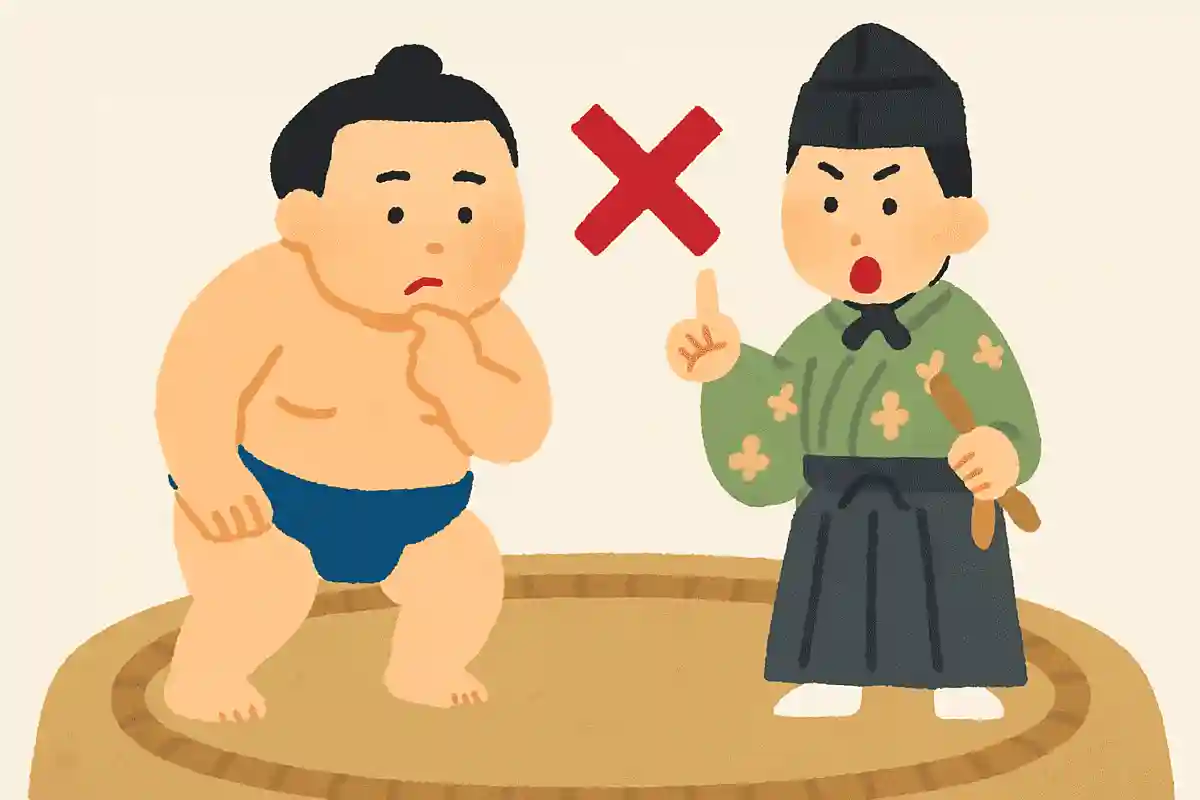
How many prohibited techniques are there in sumo?
- 1
- 8
- 23
See the answer
8
In sumo, there are eight prohibited moves called “kinjite.” You may not punch with a closed fist, grab your opponent’s hair, or attack vital areas such as the eyes. Grabbing the throat, kicking, and forcefully bending the fingers are also forbidden. Committing any of these results in an immediate disqualification. Sumo values competing fairly while showing respect and care for one’s opponent.