

[Szymanowski’s Piano Works] Masterpieces Left by a Composer Who Lived Through Turbulent Times

Karol Szymanowski was a composer who, despite being buffeted by the upheavals of World War I and Poland’s independence, left works across a variety of genres, including symphonies, concertos, piano pieces, and songs.
It is often said that a major characteristic of his compositional career is the way he repeatedly changed his style, as if in step with those turbulent times.
In this article, we’ve selected pieces by Szymanowski that are piano works or are performed by ensembles that include the piano.
We will introduce them along with the historical background and distinctive features of the works.
- Shostakovich’s Piano Works: Masterpieces by a Giant of the Symphony
- Scriabin’s Piano Works: Selected Masterpieces by a Pioneer of Modern Music
- [Moszkowski’s Piano Pieces] Gem-like masterpieces that also help improve technique
- [Lyadov’s Piano Pieces] A pianistic masterpiece crafted by a brilliant but lazy composer
- [Chaminade’s Piano Works] Masterpieces of Delicacy and Boldness by a Woman Composer
- Piano Pieces by Ibert: Gem-like Masterworks by a 20th-Century French Composer
- Glazunov’s Piano Works: Masterpieces by a Revolutionary Who Fused Nationalism and Internationalism
- [Messiaen’s Piano Works] Exquisite gems born from an extraordinary sense of color
- [Akira Miyoshi’s Piano Works] A curated selection of gem-like pieces by a master of contemporary Japanese music
- [Contemporary Pieces] A curated selection of classical works that captivate with the piano’s mysterious resonance!
- [Piano Variations] A comprehensive showcase of gem-like masterpieces crafted by great composers!
- It’s so cool if you can play these on the piano! A selection of irresistibly charming masterpieces.
- Satie’s Piano Pieces | Fleetingly Beautiful Works by Music’s Maverick
[Szymanowski’s Piano Works] Masterpieces Left by a Composer Who Lived Through Turbulent Times (11–20)
Myths, Three Poems for Violin and Piano, Op. 30: No. 1 “The Fountain of Arethusa”Karol Szymanowski
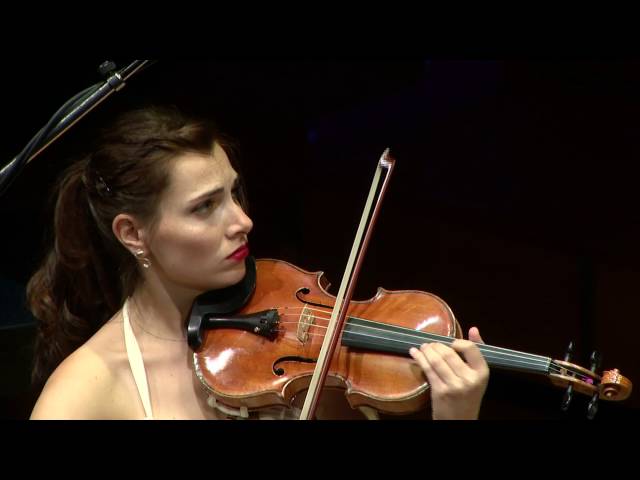
Karol Szymanowski, a leading Polish composer of the early 20th century, was initially influenced by the late German Romantics and Scriabin’s early works, and later created pieces inspired by Islamic and ancient Greek cultures.
The first piece of his Three Poems for Violin and Piano, “Myths,” Op.
30, composed in 1915, “The Fountain of Arethusa,” is a finely wrought and intricate work that, employing Impressionistic techniques, depicts the water nymph Arethusa fleeing from the river god.
As a 20th‑century ensemble piece for violin and piano, it is recommended for advanced players who want to take on highly demanding performance techniques.
In conclusion
Karol Szymanowski was a composer who lived in an era when expressing personal thoughts about war or national independence was never permitted. The changes in his musical style may well reflect his strong feelings about the succession of events that shook his times. Through his works, why not try to sense the emotions Szymanowski entrusted to his music?