

Introducing popular J-pop songs that start with “Ta”!

Have you heard of shiritori karaoke, where you connect songs by using the last letter of the previous song’s title? Surprisingly, it can get pretty exciting—sometimes you can’t think of any songs, or there aren’t as many singable ones as you expect.
So this time, I’ll introduce a bunch of Japanese songs that start with “ta.” I’ve picked popular J-POP tracks so you can use them both for karaoke and for playing shiritori using only song titles.
Please use this as a reference, and if there’s a song you’d like to try singing, go for it!
- Summary of Vocaloid songs with titles starting with 'Ta'
- Songs with titles starting with “To.” A selection from popular tracks across generations!
- Songs with titles that start with “te.” Perfect for shiritori karaoke or song-title shiritori!
- Even karaoke beginners can relax! Easy-to-sing songs for men
- A must-see for low-voiced women! Popular songs that are easy to sing at karaoke
- [Karaoke] A roundup of songs that are easy for women to sing!
- A roundup of songs with titles starting with 'Da' (Dai-〇〇, Diamond, etc.)
- Songs with titles that start with “Tsu.” Introducing famous tracks from the Showa to Reiwa eras!
- A roundup of Vocaloid songs with titles that start with “Te”
- A roundup of songs with titles starting with “Re.” Great for karaoke shiritori too!
- Songs that start with “Pa.” Great for game hints or making playlists!
- Songs with titles that start with “Na.” A hint for shiritori!
- [2026 Edition] Youth Anthems for Your 40s! A Roundup of Popular Heart-Pounding × Heartwarming Songs
Introducing songs that start with 'Ta' from popular J-POP! (91–100)
Pluralistic Theory of HappinessCUTIE STREET

This song, released in September 2025 by the idol group CUTIE STREET—who drew major attention with “Is Being Cute Not Enough?”—marks the group’s first ballad.
Riding a gentle melody, it’s an introspective number that sings of the thought, “What if I’d lived a different life?” The message resonates deeply: after wavering between what’s right and what’s kind, and imagining the paths not taken, cherish the happiness that exists here and now.
It’s a piece that stays close to you when you’re uncertain about a choice or want to reflect on the path you’ve walked.
Time capsuleQeiru

A Vocaloid track that weaves nostalgia for time sealed away, carried on an electronica sound.
Composed by Qeiru and released in September 2025, it’s a duet by IA and Hatsune Miku that sings of fading memories and the ever-changing everyday.
Images of roads bathed in crimson twilight and questions posed to a time that can never return resonate poignantly.
It’s a song for those who cherish unforgettable memories, and one to hear when you want to pause and reflect on your own life.
Introducing songs starting with “Ta” from popular J-POP! (101–110)
TaketenGReeeeN

This is a medium-tempo number produced and planned by Sanma Akashiya, based on episodes from his youth.
The lyrics, which express a pure wish for someone to simply stay by your side and smile, are sure to gently warm the listener’s heart.
Released in May 2021, the song was chosen as the ending theme for the theatrical anime film “Fortune Favors Lady Nikuko,” and is also included on the album “Baby Tooth.” It’s the perfect track for when you want to bask in the gentle feeling of wishing happiness for someone important to you.
Time WarpPerfume
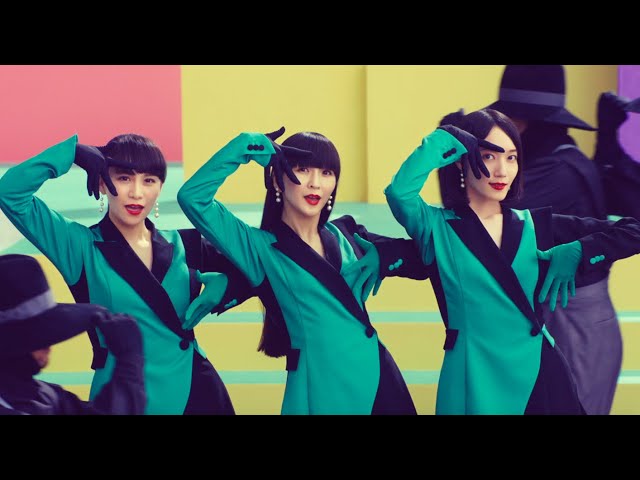
This is a song that was used in a Peugeot commercial.
It was released in September 2020, a milestone marking the group’s 20th anniversary and 15th major-label anniversary, and was later included on the album “PLASMA.” The sparkling, chiptune-like Perfume sound layered with a nostalgic synth timbre is absolutely irresistible! The lyrics express a strong determination to enjoy this very moment to the fullest.
It’s perfect for driving, of course, and if you listen when you’re about to start something new, it’s sure to give you a push.
I don’t buy lottery tickets.RC sakuseshon

RC Succession is a rock band formed around Kiyoshiro Imawano.
Even those who aren’t music fans have likely heard their countless classics, led by “Ameagari no Yozora ni.” This is their debut single, released in March 1970, where it all began.
Set to an acoustic sound, it delivers a simple yet powerful message that the greatest happiness is a love that money can’t buy—one that truly resonates.
Though rooted in their early folk style, it hints at the R&B-infused, soulful cries that would later define their rock sound.
The track is also included on the best-of album “KING OF BEST.” When you’re feeling a bit worn out by materialism, this warm song invites you to reflect on what it means to have a rich heart.
Tobacco and coffeeSaucy Dog

A Saucy Dog track that gently nestles into the brisk late-autumn air.
This song was written and composed by drummer Yuika Seto, who also takes on vocals.
It captures the subtle emotions of anxiety about the future that arise within a peaceful life with a loved one, and the quiet wish to cherish the present nonetheless.
The tender vocals and acoustic tones wrap you in a sentimental mood.
Why not give it a listen when you want to treasure those ordinary moments with someone special, or on a long autumn night when you feel like quietly reflecting?
The Sun and IcarusBUCK-TICK

BUCK-TICK, who constantly pursue a uniquely original worldview, released their 41st single in March 2023 as the first installment commemorating the 35th anniversary of their major-label debut.
Inspired by the Greek myth of Icarus, the song was composed by Hidehiko Hoshino with lyrics by Atsushi Sakurai.
Its poetic universe, which simultaneously portrays the exhilaration of charging toward dreams and aspirations and the aesthetics of ruin that await beyond, resonates powerfully with listeners.
It is a work brimming with energy that feels as if it will give a strong push to anyone on the verge of a new challenge.