

Theme Songs of NHK Taiga Dramas Through the Years: The Allure of Music That Colors Historical Stories

NHK’s Taiga dramas have continued to color Japan’s grand history.
Have you watched any, such as Ryomaden or Atsuhime? The opening themes of Taiga dramas are a treasure trove of masterpieces that remain etched in our hearts across generations.
Just by listening, they whisk you away to that era in an instant—like a time machine.
In this article, we’ve compiled the theme songs from past Taiga dramas! We’ll introduce a variety of exhilarating music that invites us on a journey through history.
Please stay with us to the end!
- [2026] A roundup of popular theme and opening songs from TV period dramas
- [Drama Theme Songs] Over 800 Million Plays! A Curated Selection of Unforgettable Classics
- Theme songs from morning dramas: The historical main themes of NHK’s Morning Drama Series
- [Drama Soundtrack Collection] Timeless soundtrack masterpieces that revive the emotion: BGM and main theme
- Songs That Bring Back the Shows: Beloved Drama Theme Songs
- Theme and insert songs from the long-running Monday 9 p.m. dramas: classic hits from popular series and recommended fan favorites
- [Japanese-style BGM] Beautiful tones woven from Japanese tradition
- [2010–2019] A roundup of theme songs from popular dramas
- [Tearjerker] Songs that make your heart tremble with tears & moving tracks with lyrics that touch the soul
- [For Beginners] Recommended Enka Masterpieces for Karaoke — Male Singers Edition
- [Western Films] Moving Movie Theme Songs: A Compilation of Tear-Jerking Theme Tracks
- Historic theme songs of Netto Koshien
- [2000–2009] A roundup of theme songs from popular dramas!
Theme Songs of NHK Taiga Dramas Through the Years: The Allure of Music that Colors Historical Stories (31–40)
Taira no Kiyomori Theme SongYoshimatsu Takashi

This is the theme song for Taira no Kiyomori, composed by Takashi Yoshimatsu.
Taira no Kiyomori is the 51st Taiga drama, broadcast from January 8 to December 23, 2012.
It was the first work set in the Heian period since Yoshitsune, which aired in 2005, and the lead role was played by Kenichi Matsuyama, marking his first starring role in a Taiga drama.
Ako Rōnin (the Forty-Seven Rōnin)Akutagawa Yasushi

This is the theme song for Akutagawa Yasushi’s “Ako Roshi.” “Ako Roshi” was the second Taiga drama, broadcast from January 5 to December 27, 1964.
Featuring an even more star-studded cast than the first Taiga drama and offering a well-developed storyline leading up to the raid, it generated considerable buzz.
The opening theme conveys the determination of the ronin.
From Legend to Myth ~Main Theme~Iwashiro Tarō

This is the theme song for Yoshitsune, composed by Taro Iwashiro.
Yoshitsune is the 44th Taiga drama, broadcast from January 9 to December 11, 2005.
It is the second Taiga drama to feature Minamoto no Yoshitsune as the protagonist, following Minamoto no Yoshitsune, which aired in 1966, with Hideaki Takizawa playing the lead role.
The young Yoshitsune, Ushiwaka, is portrayed by Ryunosuke Kamiki.
three sistersSatō Masaru

This is the theme song for “Three Sisters,” composed by Masaru Sato.
“Three Sisters” was the fifth Taiga drama, broadcast from January 1 to December 24, 1967.
It drew attention as the first series in Taiga drama history to feature a woman as the protagonist.
True to a drama that portrays three sisters buffeted by the tides of the times, the opening theme has a tone that foreshadows turmoil.
The fir tree remainedYoda Mitsumasa

This is the theme song for Mitsumasa Yoda’s composition “The Fir Tree Remained.” “The Fir Tree Remained” is the 8th Taiga drama, broadcast from January 4 to December 27, 1970.
The restless woodwinds, with a single, piercing piccolo line—an opening theme that readily suggests impending turmoil.
Theme Songs of NHK Taiga Dramas Through the Years: The Allure of Music That Enlivens Historical Stories (41–50)
Chronicle of the RegentIrino Yoshiro

This is the theme song for Yoshiro Irino’s Taikoki.
Taikoki is the third Taiga drama, broadcast from January 3 to December 26, 1965.
Kengo Ogata played the lead role of Toyotomi Hideyoshi, and Koji Takahashi portrayed Oda Nobunaga.
The opening theme gives a brilliant, festive impression.
Gō: The Warring States of the Princesses (Main Theme)Yoshimata Ryō
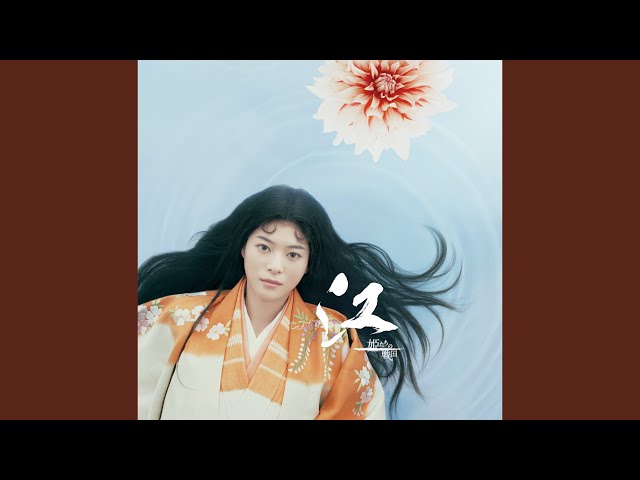
This is the theme song for Atsuhime, composed by Ryo Yoshimata.
Atsuhime is the 47th Taiga drama, broadcast from January 6 to December 14, 2008, and it is told from the perspective of Atsuhime, the lawful wife of Tokugawa Iesada, the 13th shogun of the Edo shogunate.
From the opening theme, you can sense the image of a woman who hopes for peace while protecting her married life and the women of the inner palace (Ōoku).