

[Nostalgic] Classic and Popular Anime Songs Recommended for People in Their 30s


Do you have any anime you used to watch all the time? I think many people had anime close to their daily lives—like tossing down your school bag the moment you got home and waiting in front of the TV, or getting excited talking about shows with friends.
Just those 30 minutes could whisk us away to a world of dreams.
As adults, we sometimes suddenly remember, “Oh yeah, I used to watch that back then,” or find ourselves humming the theme song without thinking—there are many ways we look back.
In this article, we’ll introduce a collection of nostalgic works for people in their 30s, focusing mainly on anime songs from the 1990s to the 2010s.
Be sure to read to the end!
- [Anime Songs] Anime tracks recommended for men in their 30s to sing at karaoke
- [Collection of Epic Songs] A compilation of cool anime songs chosen by anime fans
- Anime songs that were hits in the 1990s. Recommended masterpieces and popular tracks.
- Anime songs recommended for people in their 40s, from nostalgic classics to the latest hits.
- Anisongs that were hits in the 2000s: a nostalgic collection of legendary tracks
- [Nostalgic & Latest] A Special Feature on Anime Songs Recommended for People in Their 20s
- [Top 20] Anime Song Sales Ranking of the Heisei 30 Years!
- A Special Feature on Easy-to-Sing Anime Songs for Karaoke [100+ Songs]
- [Nostalgic] A roundup of anime songs and theme songs that were hits in the 1980s
- Graduation Songs for Those in Their 30s: Nostalgic Classics That Rekindle Emotions & Timeless Favorites Still Popular Today
- Recommended anime songs for people in their 50s. Classic and popular anime theme songs.
- [Spring Songs Recommended for People in Their 30s] Carefully Selected Nostalgic Classics & Big Hits
- Iconic scenes overlap! Anime songs recommended for the yutori generation
[Nostalgic] Recommended Anime Song Masterpieces and Popular Tracks for People in Their 30s (71–80)
Miracle High Tension!saikoro korokke

This song was used as the opening theme for the anime Croket!, based on the manga by Manavu Kashimoto.
Its lyrics express determination and strength, perfectly matching the story of characters continuing their journey toward their dreams.
It’s also memorable that the visual-kei rock band Psycho le Cému released the track under the project-conscious name “Psycho Lo-Croquette.” With a powerful yet light tempo, the song evokes the series’ brightness.

Getter Robo GoMizuki Ichirō, Mori no Ki Jidō Gasshōdan

Getter Robo Go was originally planned as an anime remake of Mazinger Z, and traces of that remain in its characters and other elements.
From episode 14 onward, the opening theme is sung by Ichiro Mizuki, and it’s a fiery anthem characteristic of robot anime.
Heart Throbsnobobyknows̟+

This is a signature song by nobodyknows+, released in 2004, which was chosen as the ending theme for the anime SD Gundam Force.
At the time, the cool flow of the five MCs passing the mic and weaving their verses drew a great deal of attention.
Some of you might even have memorized the lyrics and sung it often at karaoke.
In 2022, it was also featured on the YouTube channel THE FIRST TAKE, and many people in their 30s were surely thrilled to see the live performance brought back across time.
Wapiko Energy Forecast!Uchida Junko

This is the opening theme song of the anime adaptation of Neko Nekobe’s manga Goldfish Warning! (Kingyo Chuuihou!), which was serialized in the shoujo manga magazine Nakayoshi.
Affectionately nicknamed “Kin-chu,” it was a popular series that even received a theatrical film.
Junko Uchida, the singer, also performed other songs for the anime, including Super Goldfish and Gyoppi Dance.

Wild FlowersRAMAR

A refreshing rock number with an impressive acoustic guitar tone.
It’s a track by the rock band RAMAR, released in 1999 as their fourth single.
The song was used as the opening theme for the anime “Zoids,” which features mechanical lifeforms modeled after animals like dinosaurs.
The way the arrangement gradually builds toward the chorus is truly emotional, and the lyrics—filled with the determination to carve out the future by our own strength—are deeply moving.

Ore TarurutoTARAKO

This is the theme song for Magical Taluluto, created by Tatsuya Egawa, who is also active on TV.
The singer is TARAKO, best known as the voice of Maruko from Chibi Maruko-chan! She also voices the main character, Taluluto, in Magical Taluluto.
It’s a charming track that showcases a different side of TARAKO’s cute singing voice compared to when she’s voicing Maruko or Taluluto.
When tomorrow comes…Donkī (Yamazaki Kōichi) & Didī (Hayashibara Megumi)
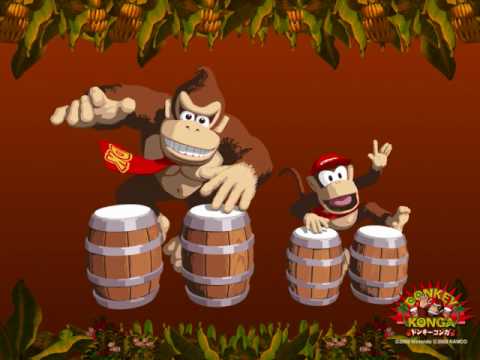
“When Tomorrow Comes…” is a heartwarming theme song sung by Donkey and Diddy, released on March 18, 2000.
Celebrating the joy of living in nature, the song adds color to the TV anime Donkey Kong and has become a treasured memory for many children.
Featuring the playful and charming back-and-forth between Koichi Yamadera and Megumi Hayashibara, it carries a bright, uplifting energy.
It expresses reverence for nature and harmony among people with a melody that is strong yet gentle, offering both longtime fans and first-time listeners fresh discoveries and a warm sense of nostalgia.