

[Recommended for women in their 30s] Japanese hit songs that hype up karaoke


Among women in their 30s, many probably find themselves with plenty of chances to go to karaoke—like girls’ nights with childhood friends you haven’t seen in a while, class reunions, or the third after-party at a wedding.
In this article, we’ll introduce easy-to-sing, crowd-pleasing song recommendations for women in their 30s who are unsure what to pick at karaoke, including tracks you listened to as a kid, hits from your teenage years, and recent songs.
Let’s look back on those nostalgic days you spent together and enjoy a great time with the songs that hold your memories!
- [Recommended for women in their 30s] Popular and latest songs that are easy to sing at karaoke
- [30s] Karaoke Crowd-Pleasers Ranking [2026]
- [For women in their 30s] Karaoke songs that are popular with men
- [2026 Edition] Karaoke Songs That Will Get the Crowd Going—Perfect for Women in Their 40s
- Easy-to-sing karaoke songs: Classic picks for women in their 40s
- Recommended for women in their 30s! Karaoke songs that are easy to sing even if you're not good at singing
- Songs that get people in their 30s pumped up: a roundup of nostalgic tracks that are also great for karaoke
- [For Women] Easy-to-Sing and Crowd-Pleasing Karaoke Songs
- Karaoke songs that are easy to sing even with a low voice (for women in their 30s)
- Recommended karaoke songs for women in their 20s — Heisei/Reiwa hits and the latest tracks
- Uplifting songs recommended for women: Popular Japanese tracks that people love to hear you sing
- [Calling all low-voiced women in their 40s!] Songs that are easy to sing at karaoke
- [Popular and Crowd-Pleasing!] Stylish Song Selections and Karaoke Tracks
[Recommended for women in their 30s] Japanese hit songs that liven up karaoke (71–80)
Fortune Cookie in LoveAKB48
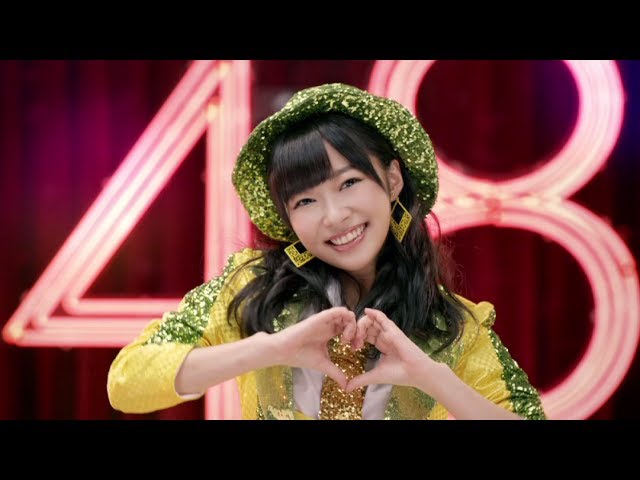
Released in 2013 as AKB48’s 32nd major single.
Rino Sashihara serves as the center for the song, which is performed by the members who ranked 1st through 16th in the “AKB48 32nd Single General Election.” The choreography is simple enough for anyone to dance, making it a song that everyone can enjoy singing and dancing to together, and it became a massive hit.
Body & SoulSPEED

It was released in 1996 as SPEED’s debut single.
It was used as the CM song for Nissin Cisco’s “Ciscorn,” marking their first appearance in a commercial.
With youthful, energetic dance and powerful, vibrant vocals, SPEED made a sensational debut.
Because their songs are great for both singing and dancing, they’re popular as tracks that can lift your spirits.
summer festivalWhiteberry

It was released in 2000 as Whiteberry’s third single.
It’s a cover of JITTERIN’JINN’s fourth single, Natsu Matsuri, and was used as the theme song for the TBS drama Fushigi na Hanashi and as the ending theme for episode 12 of the TV anime ReLIFE.
It became Whiteberry’s biggest hit and was performed when they appeared at the 51st NHK Kōhaku Uta Gassen.
It’s a song that makes you want to sing while cutely jumping around.
DOLLSCANDAL

SCANDAL is a girls’ rock band that gained immense popularity in the late 2000s.
Even now, as a representative girls’ rock band, they continue to churn out hit numbers from time to time.
Among their songs, “DOLL” is likely a deeply nostalgic track for women in their 30s.
This piece covers a relatively narrow vocal range of mid1 G# to hi D, and its vocal lines have gentle rises and falls, making it exceptionally easy to sing.

Happy Summer WeddingMōningu Musume.

For women in their 30s, the most popular idol group would have to be Morning Musume, wouldn’t it? Produced by Tsunku, they’ve created many hit numbers despite their eccentric musical style.
Among Morning Musume’s songs, Happy Summer Wedding is especially recommended.
It’s a fast-tempo piece with a wide vocal range, partly because it includes phrases close to scat singing.
However, the basic vocal line doesn’t require an especially wide range, so as long as you choose which parts to sing carefully, it’s relatively easy to perform.
YELLikimonogakari

A song with a warm singing voice and a melody that gently embraces the many feelings of youth, captivating listeners with its heartfelt resonance.
It delicately yet powerfully portrays young people who, though uncertain, are trying to take a step toward the future.
Released by Ikimono-gakari in September 2009, the song was selected as the required piece for the NHK Nationwide School Music Competition’s junior high school division, capturing the hearts of many students.
Many of you may remember singing this song with classmates and friends during your school days.
If you sing it at karaoke, it will likely bring back nostalgic memories and fill you with warmth.
JupiterHirahara Ayaka

Ayaka Hirahara’s debut song presents a grand classical masterpiece theme with approachable lyrics and a brilliant arrangement.
Its beautiful melody and crystal-clear vocals offer deep comfort to those facing loneliness or anxiety, making it a moving piece.
Since its release in December 2003, it has remained a long-selling favorite and was also used as an insert song in the TBS drama “Mr.
Kinpachi in Class 3-B.” With Masayuki Sakamoto’s elegant arrangement and Hirahara’s expressive singing, the track is crafted to be easy and pleasant for anyone to sing.
Why not try it at karaoke when you want to cherish bonds with friends or need the courage to believe in yourself?