

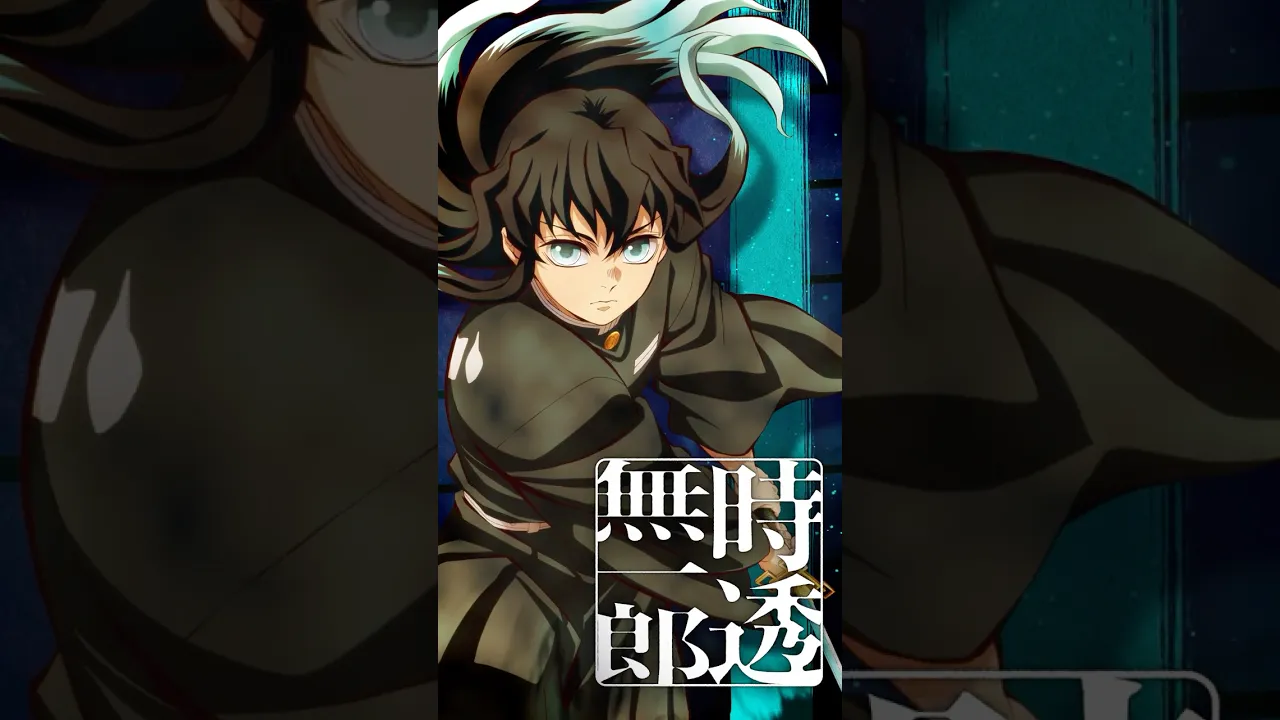

Muichiro Tokito, known as the youngest among the Hashira yet a swordsman of calm composure and undeniable skill.
In his concise words dwell sharp insight and deep thought.
Words that pierce to the essence of human nature, words that teach the heart of training, and words that speak of his feelings for his comrades.
Even in his quietude, strength and kindness coexist—Muichiro Tokito’s famous sayings carry messages that resonate deeply within us.
In this article, we introduce a selection of his most memorable quotes.
- [Resonating with the Heart!] Muichiro Tokito’s Famous Quotes: A Collection of Unforgettable, Gem-like Lines
- Giyu Tomioka’s words pierce the heart. Deep sayings from the taciturn Water Hashira.
- Insect Hashira Shinobu Kocho’s Famous Quotes: Words of Strength and Resolve That Stir the Heart
- Demon Slayer: A collection of Yushiro’s quotes that resonate with the heart—profound lines filled with his feelings for Lady Tamayo
- Quotes by Gyomei Himejima: profound words from the Stone Hashira that resonate with the heart.
- Mitsuri Kanroji’s quotes resonate with the heart! Words that teach us kindness and strength.
- The memorable quotes from Demon Slayer pierce the heart. These profound words cannot be read without tears.
- Let Tanjiro Kamado’s famous words light a fire in your heart—words that teach both kindness and strength.
- [Shaking the Soul] Kokushibo’s Famous Quotes: A Collection of Lines Radiating Overwhelming Presence
- Nezuko Kamado’s famous quote. Words that convey kindness, strength… and a deep bond.
- [Demon Slayer] Tamayo’s Famous Quotes: Iconic Lines Filled with a Fugitive’s Tenacity and Compassion
- Exploring Sanemi Shinazugawa’s famous quotes: his hidden true kindness and strength
- Zenitsu Agatsuma’s famous quote: Words that resonate in the heart, becoming stronger while accepting one’s weakness.
Muichiro Tokito’s Quotes: Deep Words from the Mist Hashira That Leave a Lasting Impression (1–10)
Remember. That seething rage.

During the battle with Upper Rank Five, Gyokko, in the Swordsmith Village, Muichiro Tokito awakens his Mark in a moment of crisis and regains the memories of his forgotten past.
These lines come at the beginning of his flashback.
He became a Hashira just two months after taking up the sword.
Behind that achievement lay tremendous effort, fueled by the rage he felt over his twin brother being killed by a demon.
When he recalls his brother’s gruesome end, a seething anger boils within him.
In this fight, all of that rage is directed at Gyokko.

Hey. Cut it out, you piece of crap.

These are the words Muichiro hurled with a quiet fury in response to Gyokko’s inhumane behavior.
It’s also the first time the usually impassive Muichiro shows intense emotion, signaling a major turning point in the story.
The scene develops as he directs his anger at Gyokko’s gleeful explanation of a grotesque, cruel “work of art” made from the swordsmiths he attacked—through that, we can sense Muichiro’s kindness as well.
The portrayal of a listless character’s emotions gradually stirring makes us wonder how he will change from here on.

What was that cloud shape again? What do you call it?

These words are depicted alongside Muichiro’s first appearance during the scene where they’re deciding what to do with Tanjiro, who has brought the demon Nezuko.
The expression indicates he’s thinking about something unrelated to what’s happening right in front of him, conveying that Muichiro is an indifferent, lethargic person.
It first uses a comical touch to clearly showcase his personality, likely aiming to help viewers remember this key character.
By emphasizing that he’s uninterested in everything, the line also builds anticipation for how he will perform from here on out.
I was born to be happy.
These are the words Muichiro Tokito uttered at the end of his short life, reflecting on his journey as he faced demons as the Mist Hashira.
At first, Muichiro gave a strong impression of apathy, but through battle he looked back on his path in the Demon Slayer Corps and his past, arriving at the realization that he was, in fact, happy.
By firmly rejecting the idea of a “meaningless death,” he conveys just how fulfilling his path had been.
Through his bonds with his comrades, the world gained color for him, and he came to feel the deep love embodied by his brother, who had been protecting him all along—words filled with powerful affection.
I won’t let you die. You can still swing a sword with both arms…!!
These are the words Muichiro uttered when he rushed in to shield Sanemi, who was in danger during the battle against Kokushibo.
It conveys not only his intent to protect Sanemi, but also the resolve behind his action, given that he had already sustained severe injuries earlier in the fight.
Even if he’s no longer in fighting shape, he can still protect someone—doing whatever he can with everything he has.
The sight of him charging forward, desperation etched on his face, highlights the contrast with his first appearance and showcases how much he’s grown.
It’s not fair that there are two of you. Anytime works for me.
https://www.tiktok.com/@9_ngs14/video/7521690234120162580When Muichiro Tokito stepped in on Iguro and Sanemi Shinazugawa’s training, he said quietly, “Please let me join,” yet his eyes held unwavering resolve.
In response to Shinazugawa’s question, “Are you fine with training during the day?” Muichiro replied, “It might serve as training for the other corps members, but it isn’t enough for me,” showing that he knows his own abilities and has the ambition to aim even higher.
A clash between Hashira isn’t play—it’s real training.
Muichiro’s simple request to be included is proof that he’s earnestly striving to grow.
It’s a scene that strongly underscores his development as the Mist Hashira.

No matter how amazing an attack is, it’s meaningless if it doesn’t hit.
@pandasan53 #DemonSlayer#Recommended ScenesGyokko and MuichiroNo matter how amazing an attack is, it’s meaningless if it doesn’t hit, right?
♬ 파랗게 – WOODZ
These are the words Muichiro delivered, almost as if mocking Gyokko, who had revealed his true form and launched an attack.
It’s a line that dismisses Gyokko’s claims about the power of his own strikes, and the fact that it’s spoken with a smile in the midst of battle adds a touch of cruelty.
It also serves to flaunt Muichiro’s strength, implying that none of the attacks will land on him.
As a line delivered at a turning point in the fight, it raises expectations for what’s to come.
I don’t want you to be killed by demons. If possible, I want you to live a long life. I truly mean that.
https://www.tiktok.com/@szk_ryhi.0329/video/7376178493475802386This line is from the Hashira Training Arc of the anime Demon Slayer: Kimetsu no Yaiba and is something Muichiro Tokito says to Demon Slayer Corps members at the training grounds.
Tokito’s attitude toward the members is strict, and to them he was someone to be feared.
However, in this scene one of the members discovers that while Tokito is training them, he is also rigorously training himself behind the scenes.
The member declares that they’ll push themselves harder, and upon hearing this, Tokito opens up about his true feelings.
He’s strict so that none of the Corps members will die… In this single scene, Tokito and the members truly connect.
I’ll torture you to death. I’ll show you hell.
For Muichiro, who lost both his parents at the age of ten and even his memories, Kagaya Ubuyashiki—the Master—was truly a second father.
To the boy who could open his heart to no one, the Master stayed close in quiet companionship, guided him, and affirmed his very existence.
When that irreplaceable presence was taken from him, what took root in Muichiro’s heart was a profound sorrow and a fury like a raging blaze.
The crystallization of those emotions burst forth in the words: “I’ll toy with you and kill you.
I’ll show you hell.” Beneath the cruelty of that line lies the grief of losing someone precious, and the resolve to keep fighting nonetheless.
It is a soul-stirring quote that reveals the true strength and kindness of Muichiro Tokito, the Mist Hashira.
If you’re going to die, do something useful first!
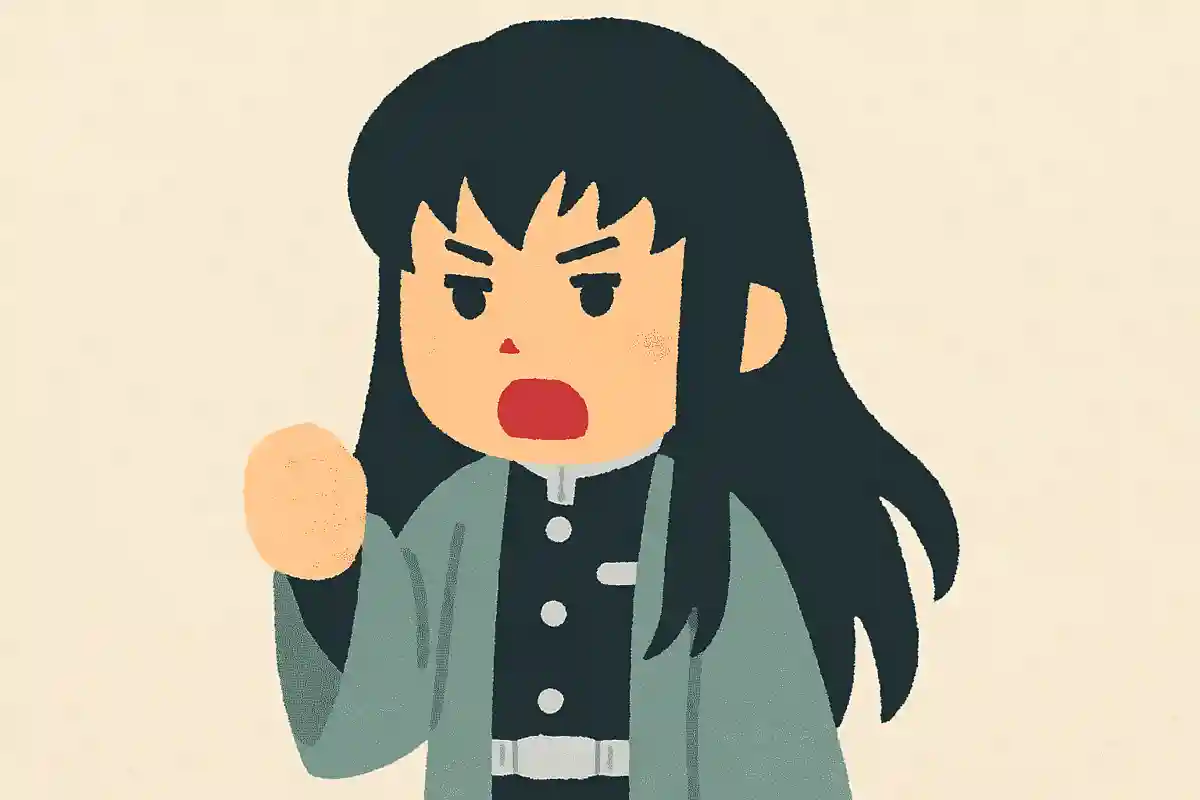
These words are spoken to steel oneself: if death is near, then at least die after being of some use to those around you.
From here, we see the figure straining every last ounce of strength so their comrades can advance, even a little, and the gradual approach of death.
Because they act not to save themselves, but to help their companions, their resolve feels all the stronger.
It also conveys a stance of doing only what one can do with everything they have, staying true to oneself.