

Giyu Tomioka’s words pierce the heart. Deep sayings from the taciturn Water Hashira.

Giyu Tomioka, the Water Hashira who embodies both strength and kindness.
Though he is quiet and often misunderstood, the many memorable quotes born from his words and actions resonate with countless people and sometimes give them courage.
Despite his clumsiness, his unwavering commitment to his beliefs may hold important lessons for life.
In this article, we’ll introduce some of Giyu Tomioka’s most striking quotes.
You’re sure to find words that speak to your heart.
Be sure to check them out and experience Giyu Tomioka’s unique appeal.
- The memorable quotes from Demon Slayer pierce the heart. These profound words cannot be read without tears.
- Quotes by Gyomei Himejima: profound words from the Stone Hashira that resonate with the heart.
- Let Tanjiro Kamado’s famous words light a fire in your heart—words that teach both kindness and strength.
- A collection of Muichiro Tokito’s famous quotes: profound words from the Mist Hashira that leave a lasting mark on the heart.
- Mitsuri Kanroji’s quotes resonate with the heart! Words that teach us kindness and strength.
- Insect Hashira Shinobu Kocho’s Famous Quotes: Words of Strength and Resolve That Stir the Heart
- Exploring Sanemi Shinazugawa’s famous quotes: his hidden true kindness and strength
- Demon Slayer: A collection of Yushiro’s quotes that resonate with the heart—profound lines filled with his feelings for Lady Tamayo
- Collection of Obanai Iguro’s famous quotes: a special feature packed with the sharp tongue, strength, and kindness of the Serpent Hashira.
- Nezuko Kamado’s famous quote. Words that convey kindness, strength… and a deep bond.
- A collection of quotes from Lord Ubuyashiki Kagaya: words of unwavering resolve and salvation
- Zenitsu Agatsuma’s famous quote: Words that resonate in the heart, becoming stronger while accepting one’s weakness.
- The famous quote by Kyojuro Rengoku, who enjoys immense popularity in Demon Slayer.
Giyu Tomioka’s quotes pierce the heart. Profound words from the taciturn Water Hashira (1–10)
Sorry for being inexperienced…
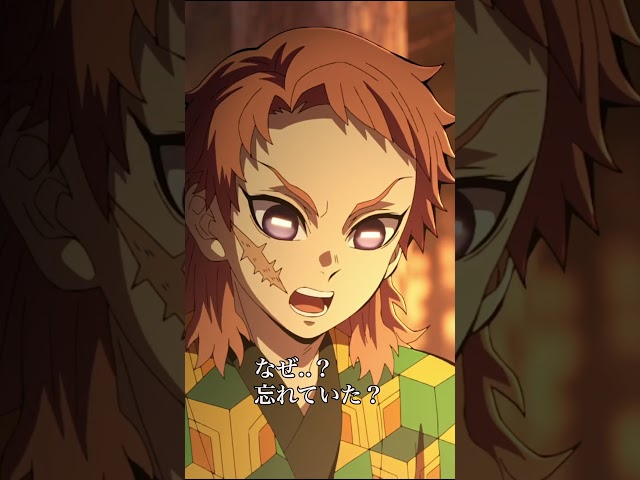
In Chapter 131 of Volume 15, these lines appear in the scene where Giyu regains his confidence.
He had lost faith in himself because of his guilt toward his best friend Sabito, who died protecting him and their comrades.
But when Tanjiro asks him, “Aren’t you going to carry on what Sabito entrusted to you?”, Giyu finally awakens.
“I’m sorry for being so immature…” With those words, he resolves to use the life passed down to him by Sabito and his sister to carve out the future.
It’s a scene that showcases the beauty of their mentor-student bond, as Tanjiro becomes the catalyst for Giyu’s revival at the very moment Giyu was on the verge of giving up and quitting training.

Don’t cry, don’t despair—this isn’t the time for that.
@motivation_movie39 What matters is to face forward. Even if you stop once, you can start walking again. Demon Slayer — Giyu Tomioka’s quote: “Do not despair.”TranslationCollection of Quotes # Words that resonate with the heartDespair#Liveeffort#DemonSlayer#demonslayerFace forwardPositive thinking
Original song – Garden of Words – Garden of Words/Haru
Following one of Giyu’s most famous lines, “Don’t let others hold the power of life and death over you!”, this was depicted as his inner monologue.
At first, that quote might sound harsh and dismissive, but hearing this inner voice makes you realize he said it for Tanjiro’s sake.
Not long after the shock of having his family killed by demons, Nezuko’s life is put in danger next… In his heart, Giyu empathizes with the despair Tanjiro is feeling, and urges him to turn those feelings into a driving force.
You held out well until I got here. Leave the rest to me.

In the scene on Natagumo Mountain where Tanjiro is fighting Rui, Giyu appears at the very last moment, when Tanjiro is in a desperate pinch, delivering this line.
It’s the first time since episode 1 that Tanjiro and Giyu meet again, and at the moment he says the line, Giyu hasn’t realized it’s Tanjiro—he’s simply come to help a Demon Slayer swordsman.
However, after Giyu defeats Rui, he realizes the swordsman he just saved was Tanjiro, making it one of the most memorable moments in the story.
Giyu Tomioka’s quotes pierce the heart: profound words from the taciturn Water Hashira (11–20)
Please… just die as Tanjiro…!!
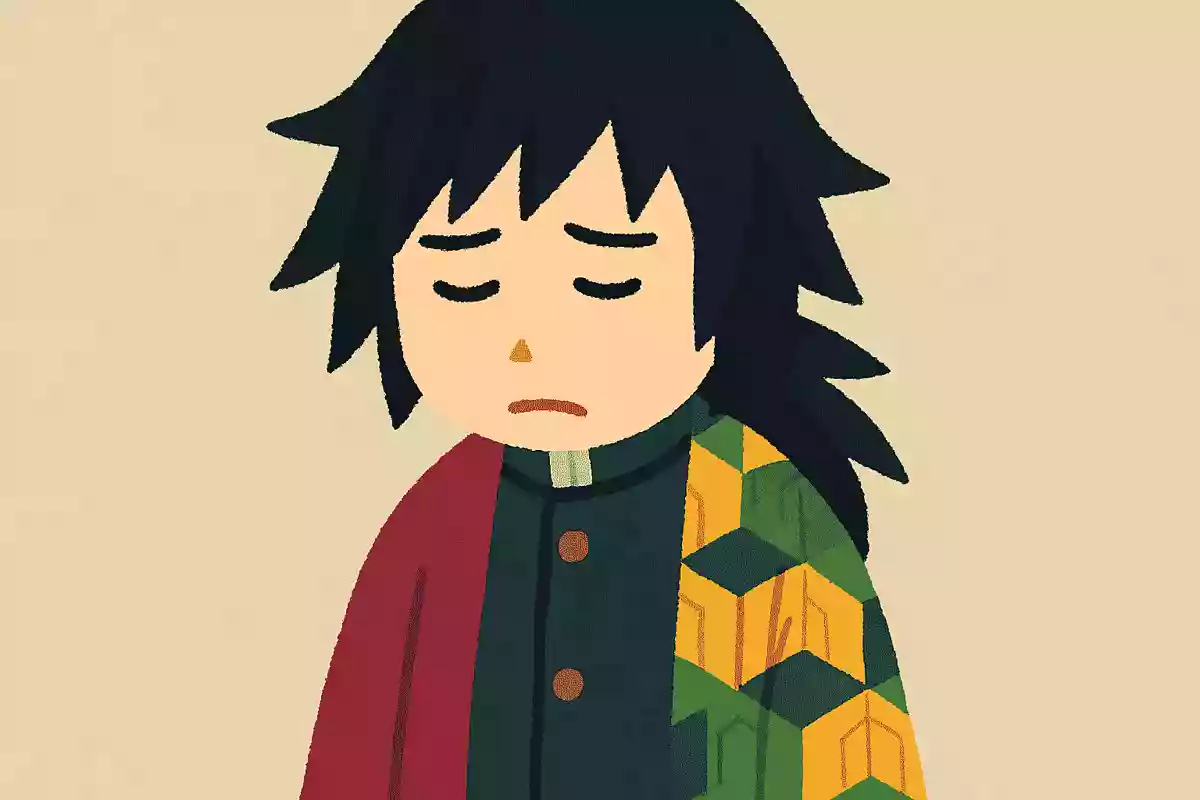
These are Giyu Tomioka’s words from when Demon Slayer was heading into its final stages.
Tanjiro was turned into a demon by Muzan Kibutsuji.
Since Muzan himself acknowledged him, demon Tanjiro became extremely powerful.
Just as Tanjiro was about to attack the Kakushi, Giyu Tomioka saved them at the last second.
Of course, regardless of whether it’s Tanjiro or not, the Demon Slayer Corps’ duty is to slay demons.
Even as he fought the demon that Tanjiro had become, Giyu must have had complicated feelings.
In his plea—“Please… die as Tanjiro, just like this…!”—hoping Tanjiro wouldn’t fully turn into a demon, you can feel Giyu Tomioka’s characteristic kindness.

From now on, I’m thinking of keeping some ohagi tucked in my pocket so I can give them to Shinazugawa when I see him.
https://www.tiktok.com/@iiyoichi/video/7500883615576886546One of Giyu Tomioka’s charms might be that, while he seems cool, he actually has a bit of a natural airheaded side.
After he declared, “I’m different from you,” at the Hashira meeting, he ended up on bad terms with Sanemi Shinazugawa.
When Tanjiro told him that Sanemi likes ohagi, Giyu considered giving him some.
Though he looks cool, you can tell he has a warm heart.
Stashing ohagi in his kimono makes it feel like he’s planning a surprise gift.
Thinking this might help them get along shows that endearingly airheaded side of his.
Our mission as the Demon Slayer Corps is to slay demons. That’s all.
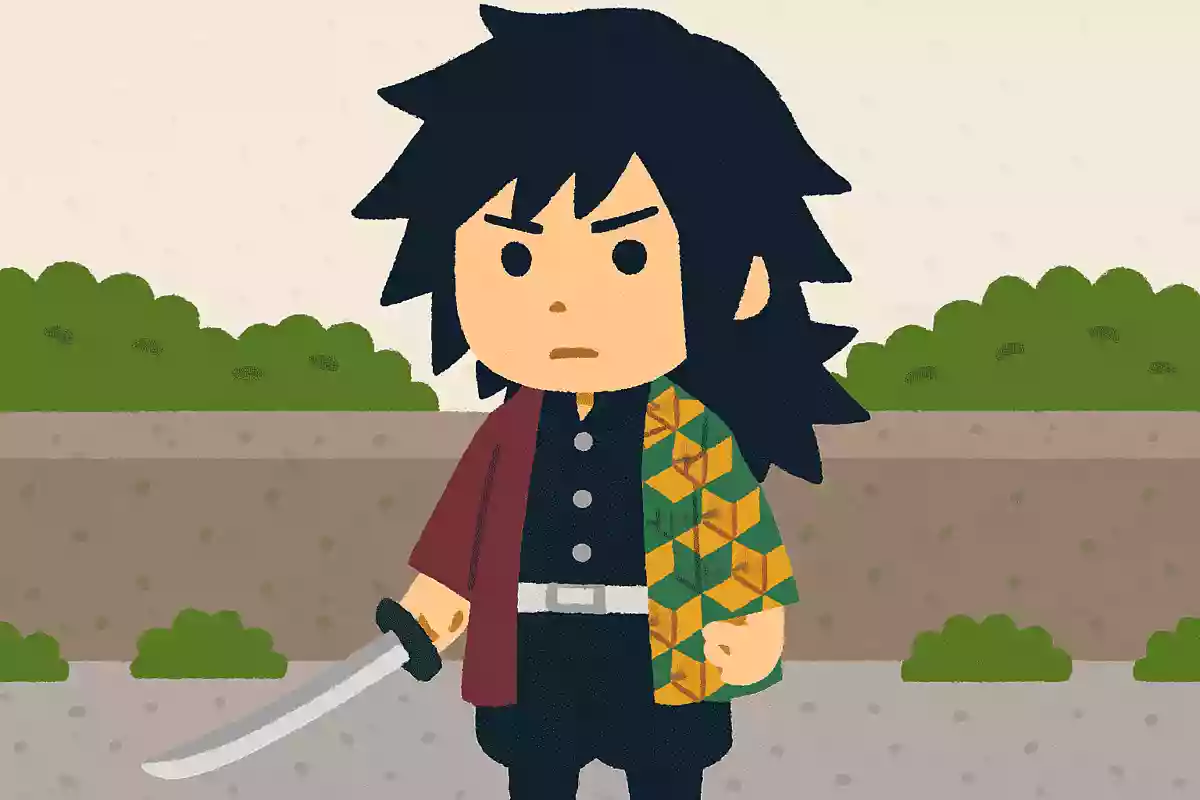
After finishing his recovery and training and setting out for his next mission, Tanjiro goes to greet the people who took care of him.
Naturally, he also visits Giyu Tomioka, who helped him, and that’s when he hears these words.
In fact, this scene isn’t in the manga—it’s an original scene from the anime.
When he says, “Our mission as Demon Slayers is to slay demons.
That’s all,” it can come off as cool and a bit dismissive.
However, just before that line, Giyu says, “If you want to thank me, repay me through your work.” It’s a straightforward, manly response to Tanjiro’s expression of gratitude, without any beating around the bush.
I am not like you.
https://www.tiktok.com/@usercvsreb187u/video/7513824833453428024Giyu Tomioka can seem cold and a bit short on words.
That’s precisely why the few things he does say often carry hidden depth and feeling.
This single line he spoke at the Hashira meeting drew criticism from the other Hashira.
It does come off as condescending, and it makes you want to know what he meant.
The reason behind his words lies in the Final Selection he underwent.
In truth, Giyu was injured during the Final Selection and couldn’t fight, and during that time a boy named Sabito defeated most of the demons.
As a result, Giyu passed the selection without slaying a single demon.
Because of this, he felt he couldn’t stand on equal footing with the other Hashira, and that feeling shaped his line.
Though it sounded like he was looking down on the others, it was actually a line that reflected his own low opinion of himself.