

Songs with cool trumpet. Introducing famous pieces from wind ensemble and jazz.

The trumpet is often regarded as a leading, spotlight instrument among wind instruments, and especially in wind ensembles and classical music, you’ll often hear the trumpet playing standout phrases.
Beyond that, there are plenty of songs where the trumpet shines in drama and film insert songs, as well as in jazz classics.
In this article, we’ll introduce a wide selection of cool trumpet pieces all at once.
We’ve chosen a variety of tracks across genres with the trumpet at the core, so be sure to find some pieces you’d like to perform yourself.
- Trumpet Masterpieces | Unforgettable Once You Hear Them! A Curated Selection of Striking Pieces
- A classic brass band medley
- Classic swing jazz tunes. Recommended popular songs.
- Cool classical masterpieces. Recommended classical music.
- Jazz commercial songs. Popular commercial songs.
- [Orchestra] Introducing famous and popular pieces
- The Profound Allure of the Saxophone: Iconic Songs Featuring Saxophone [2026]
- [Toyota Commercial] Popular CM Songs. Historical CM Songs [2026]
- Johann Nepomuk Hummel Popular Song Rankings [2026]
- Jacques Ibert Popular Song Ranking [2026]
- Today's Classics: Recommended classical music and great performances to listen to today
- A poignant classic masterpiece. Recommended classical music.
- Masterpieces of Ballet Music: Introducing Classic Favorites
Songs with Awesome Trumpet Parts: Introducing Classic Wind Ensemble and Jazz Pieces (21–30)
So WhatMiles Davis

As a jazz trumpeter, Miles Davis exudes a different kind of appeal from Louis Armstrong.
His trumpet playing is cool and conveys an intellectual image rather than flamboyance.
This piece is titled after Miles’s favorite phrase, “So what?”, and it employs the then-novel modal approach.
To suit that style, Bill Evans—well-versed in modal playing—joined the session.

Grand MarchKonagaya Soichi

Grand March is a march composed by Soichi Konagaya.
It was written in 1996 for a selected band in Shizuoka Prefecture and attracted attention after being published by De Haske in the Netherlands.
The piece opens with a brilliant trumpet fanfare, and when the lower voices of the trombones and horns join in, a majestic sonority unfolds.
True to Konagaya’s background as a percussion specialist, the percussion writing really shines in this piece.
It’s also perfect as an entrance march, so give it a try!

When the Saints Go Marching In

This song is familiar to many in Japan, but its roots lie in the music played by brass bands known as “second lines” during African American funerals in New Orleans.
After the funeral, the bands would perform to pray that the soul of the departed, now freed as it journeys to God’s kingdom, would reach heaven.
The song became famous when Louis Armstrong and others performed it in the film The Five Pennies.
It is also frequently played as a fight song at sporting events.
light cavalryFranz von Suppé

This piece by the Austrian composer Franz von Suppé was originally performed as a number within his operetta Light Cavalry, but nowadays the operetta is rarely staged and the piece itself has become famous on its own.
In particular, the fanfare at the beginning is often used as a sound effect on television, so you’ve probably heard it before.
The fanfare, played by multiple trumpets, is striking, dignified, and has a distinctive atmosphere.
Festival(s) of RomeOttorino Respighi

This is Ottorino Respighi’s work Feste Romane (Roman Festivals), composed by a leading figure in modern Italian music from the late 19th century to the 1930s.
It is the final piece of the symphonic triptych known as the Roman Trilogy, and its structure comprises a single movement divided into four sections, each with its own theme.
It is a highly dynamic orchestral work, and, as you might expect, it gives trumpet players many opportunities to shine.
Right from the opening, a fanfare rings out from a banda—an auxiliary ensemble positioned separately from the main orchestra—and throughout the piece there are numerous solo passages and ensemble moments.
It is truly a gem for anyone who loves the sound of the trumpet.
Since the work depicts festivals in Rome across different eras through orchestral color, knowing the descriptive titles the composer assigned to each section will enhance your enjoyment even more!

Dragon Quest Concert Selectionsugiyama kouichi

A brass band medley whose fanfare announces the beginning of a grand tale of a hero known as the Player, instantly capturing listeners’ hearts.
Koichi Sugiyama, one of Japan’s leading composers, provided the timeless original melodies, which arranger Toshio Mashima has shaped into a dramatic 9-minute-48-second work.
Reimagined from video game music for the concert hall, this piece is structured to evoke vivid images of a hero journeying across vast lands and confronting formidable foes.
The fact that its source piece, Overture, was used at the opening ceremony of the Tokyo 2021 Olympics further attests to its musical significance.
With its thrilling, valiant sound, presenting it as the climax of a concert is sure to sweep the audience into a whirlwind of excitement.
In the MoodGlenn Miller
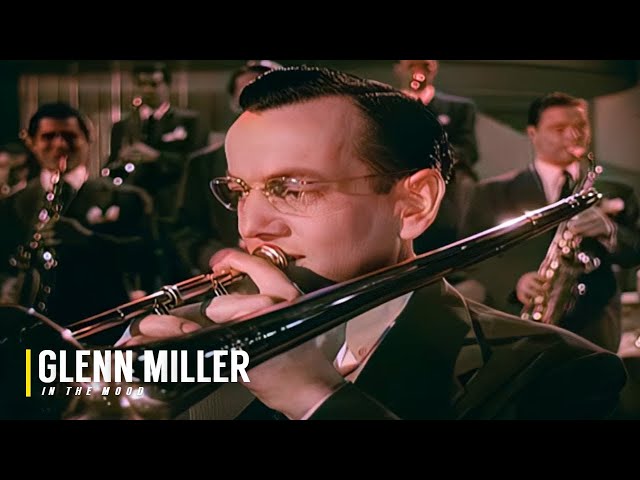
The bright piece with a saxophone melody that lingers in the ear is a smash hit released by Glenn Miller in September 1939.
The dynamic interplay between saxophones and trumpets creates a vibrant sound that conveys the excitement and joy of the dance floor, fully showcasing the appeal of swing jazz.
The work was also featured in the 2004 film Swing Girls, contributing to memorable scenes that colored the high schoolers’ coming-of-age story.
It remains a classic, widely performed by many bands as a standard number in the wind ensemble world.