

A roundup of songs that start with “U.” Perfect for shiritori or picking tracks at karaoke!

When you’re playing word-chain games using J-POP song titles, or doing “shiritori karaoke” where the next song is chosen by the last letter of the previous one, some of you might search for something like “songs that start with XX,” right?
So in this article, we’ll introduce a whole bunch of songs that start with “u.”
There are lots of words that begin with “u” that are commonly used in song titles—like umi (sea), wedding, uso (lie), and utsukushii (beautiful).
We’ve picked out a wide range of songs across different eras and by artists of all genders, so use this as a reference for choosing your next track!
- Vocaloid songs that start with 'U'
- Masterpieces with titles that start with 'A'
- [Easy to Sing] A Compilation of Recommended Vocaloid Songs for Karaoke
- A compilation of Vocaloid songs with titles that start with “Yu”
- Collection of Vocaloid songs with titles starting with 'dzu' (づ)
- A roundup of songs that start with “ku.” Perfect for shiritori or picking karaoke tracks!
- Songs with titles that start with 'yu'
- Songs whose titles start with 'I'. Masterpieces that begin with 'I'.
- A roundup of songs with titles that start with “bu.” Handy for shiritori or playlist-making.
- Discover new songs! A collection of tracks whose titles start with “Wa”
- Feel-Good Songs: Belt Them Out at Karaoke! A Roundup of Popular Numbers
- A roundup of songs with titles starting with “zu” (rare!)
- A roundup of songs with titles that start with “pu.” Great for shiritori or picking songs!
A roundup of songs that start with “U.” Perfect for shiritori or choosing karaoke tracks! (151–160)
We are!kitadani hiroshi
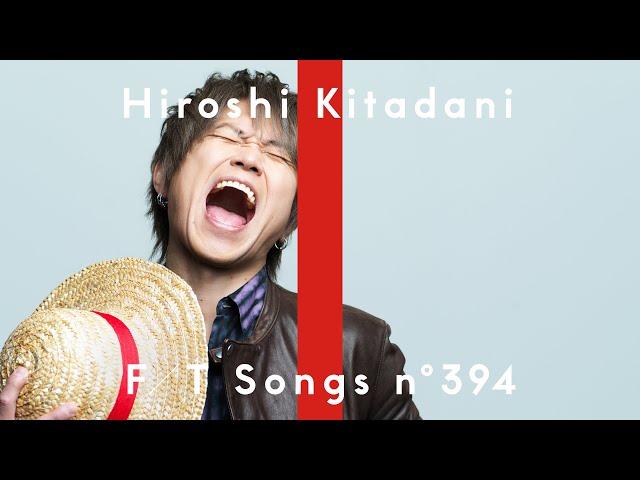
ONE PIECE is a series that’s always at the forefront of the anime scene, constantly generating buzz.
It has produced many theme songs, but when you hear ONE PIECE, the first one that comes to mind is probably “We Are!” The biggest charm of this song is, without a doubt, its grand vocal line.
The singer, Hiroshi Kitadani, is a vocalist who excels in the lower register as well, and in JAM Project he handles the overall low parts and even death growls.
The richness created by those low tones is truly impressive and perfectly captures the spirit of adventure.

Winter Love…tsukimi

Tsukimi, known for her “fired-up gal rock” and based in Iwaki City, Fukushima Prefecture, took a different approach with the 11th digital single released in December 2024.
Dialing back the rock edge, the track is crafted as a Christmas song that brings the J-pop influences of vocalist/guitarist Nini-chan—her musical roots—to the forefront.
Featuring pure, straightforward lyrics and a delicate vocal performance, the song hints at new avenues of expression for the group.
The music video was self-produced by the members themselves, showcasing the band’s DIY spirit.
It’s a perfect pick for moments when you want to quietly reflect on your feelings for someone special on a winter’s day, or when you’re looking for a heartwarming tune for the Christmas season.
Warm SnowLa’cryma Christi

The title track of the mini-album that La’cryma Christi—one of the defining bands of the 1990s visual kei scene—released independently in February 1996 is a mid-tempo piece distinguished by its heavy sound and dreamlike atmosphere.
The twin guitars intertwine from left and right, and the arrangement—highlighted by standout drumming in the interlude—exudes a high degree of structural sophistication with progressive elements.
The lyrics are striking as well, painting a wintry fantasy world with symbolic imagery like snow spilling from a dark, heavy sky and azure poison, immersing you in a worldview tinged with an exotic flair.
This classic, whose initial run of 15,000 copies sold out in two months and prompted a re-recorded edition, has drawn renewed attention since its streaming release in October 2025.
A masterpiece of technically adept rock, perfect for savoring on a quiet winter night.
with you feat.MeBACK-ON

This is a piece of mixture rock by BACK-ON that colored the story as the theme song for the PSP RPG Tales of the World: Radiant Mythology 3.
Released in February 2011, the track builds from rap over sharp guitar riffs into a melodious chorus, heightening the sense of adventure.
The addition of the featured, soaring female vocals brings even more brilliance and breadth to the sound.
The lyrics depict turning encounters and farewells into strength and stepping into the future with treasured companions, resonating deeply with the game’s themes.
It’s a song that can give you courage when you’re starting a new challenge.
seaSakushi: Hayashi Ryūha / Sakkyoku: Inoue Takeshi

A well-known school song that conjures up vivid images of the vast blue sea.
It’s also famous that lyricist Ryuha Hayashi and composer Takeshi Inoue both came from Gunma Prefecture, which has no coastline.
Perhaps that’s why the piece overflows with pure awe and longing for a scene they encountered for the first time.
Introduced in a Ministry of Education textbook in 1941, it was later selected in 2007 as one of the “100 Best Japanese Songs.” Many people may find childhood memories of singing it coming back.
It’s a classic that brings gentle moments, inviting parents and children to hum along together.
LieYaita Hitomi

Hitomi Yaida’s classic “Uso” (Lie).
It’s a well-known song, so for many people, when they think of a ballad by her, this is the one that comes to mind first.
The track’s appeal lies in its very relaxed tempo.
While Yaida often writes songs with a wide vocal range, this piece has a narrower range and gentle pitch movement.
There are moments of falsetto, but she’s intentionally using falsetto for notes that could easily be sung in chest voice, so even those who aren’t confident in their range can sing it without difficulty.
A roundup of songs that start with “u.” Perfect for word-chain games or karaoke picks! (161–170)
Wait For The SunHi-STANDARD

Amid its powerful sound, this track conveys a poignant yet determined will.
It is included on the first album, “GROWING UP,” released in November 1995.
The lyrics depict someone chasing their dreams, believing that the sun will rise someday.
That somewhat naive yet straightforward stance is truly moving.
When you’re challenging yourself and feel like your spirit might break, or when you’re anxious about the future, listening to this song will surely give you the courage to face tomorrow.
This work stands like an anthem that stays close to everyone pursuing their dreams.