

A roundup of songs that start with “U.” Perfect for shiritori or picking tracks at karaoke!

When you’re playing word-chain games using J-POP song titles, or doing “shiritori karaoke” where the next song is chosen by the last letter of the previous one, some of you might search for something like “songs that start with XX,” right?
So in this article, we’ll introduce a whole bunch of songs that start with “u.”
There are lots of words that begin with “u” that are commonly used in song titles—like umi (sea), wedding, uso (lie), and utsukushii (beautiful).
We’ve picked out a wide range of songs across different eras and by artists of all genders, so use this as a reference for choosing your next track!
- Vocaloid songs that start with 'U'
- Masterpieces with titles that start with 'A'
- [Easy to Sing] A Compilation of Recommended Vocaloid Songs for Karaoke
- A compilation of Vocaloid songs with titles that start with “Yu”
- Collection of Vocaloid songs with titles starting with 'dzu' (づ)
- A roundup of songs that start with “ku.” Perfect for shiritori or picking karaoke tracks!
- Songs with titles that start with 'yu'
- Songs whose titles start with 'I'. Masterpieces that begin with 'I'.
- A roundup of songs with titles that start with “bu.” Handy for shiritori or playlist-making.
- Discover new songs! A collection of tracks whose titles start with “Wa”
- Feel-Good Songs: Belt Them Out at Karaoke! A Roundup of Popular Numbers
- A roundup of songs with titles starting with “zu” (rare!)
- A roundup of songs with titles that start with “pu.” Great for shiritori or picking songs!
Songs that start with “U” compiled. Perfect for shiritori or picking karaoke songs! (171–180)
WUNACOOLe5
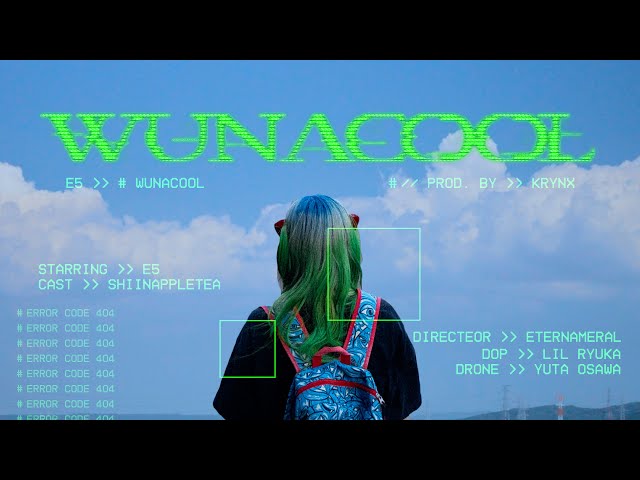
e5 is a new-generation artist influenced by Vocaloid culture and Japanese rock, known for her melodically rich vocals enhanced with Auto-Tune.
Among her tracks, the perfect pick for a chill drive is a song released in July 2025.
Its standout feature is a propulsive, hyperpop-tinged track.
The song explores the theme of “a fleeting summer moment,” capturing a mixed psychology of anticipation and anxiety—feeling like you can go anywhere, yet somehow nowhere at all.
This release is a lead single from her forthcoming album MODE POP.
Blending the bittersweetness of summer’s end with a refreshing rush, the sound will keep you company as you cruise along a seaside road at dusk or spend a quiet night lost in thought.
fireworks (launched into the sky)Yonezu Kenshi

Regarding the duet song Uchiage Hanabi with DAOKO, this time I’ll introduce Kenshi Yonezu’s solo version! The overall vocal range sits at a relatively calm C3–A4, showcasing Yonezu’s characteristically gentle, tender tone throughout.
In fact, pitch tends to become less stable in the lower notes than the higher ones, so it’s important to pay close attention to the very beginning of each phrase.
If your breathing is shallow, it becomes harder to produce sound, so focus on taking deep breaths.
To nail the pitch, it also helps to lift your facial muscles.
Rather than lifting them while singing, raise them as you inhale and keep them engaged as you phonate.
Since the song is relaxed, there’s ample time for breaths, so don’t forget to take one each time.
Also, because it sits in the midrange, make sure to project your voice forward so it doesn’t get muffled!

WISHLUNA SEA

A number whose hope-filled sound reverberating at the end of their live shows sinks deep into the heart.
It stands apart from their darker image, marked by a strikingly pop and catchy melody that bursts through.
The worldview infused with wishes for the future truly makes it an anthem that connects the band and their fans.
Released in May 1992 and certified Platinum, this track closes out the classic album IMAGE, and is a hidden gem perfect for those who want to experience LUNA SEA’s multifaceted appeal or need a boost of positive energy.
a grievance songKaji Meiko

This is a dark number in which the protagonist—pushed down to rock bottom—seethes with unfathomable resentment.
Meiko Kaji’s low, menacing, almost spat-out vocals are its hallmark; just listening sends a chill down your spine.
The lyrics vividly convey the indelible thirst for vengeance of a woman who’s been betrayed and stripped of everything.
Released as a single in December 1972, the song became a hit, peaking at No.
6 on the Oricon chart.
It also served as the theme song for the Female Prisoner Scorpion film series, in which Meiko Kaji herself played the protagonist, Nami.
Unlike ghosts or witches, it’s the terrifying passion hidden within human beings that might make Halloween night all the more profound.
WITH LOVELUNA SEA

Set against an apocalyptic worldview, this song portrays a heartfelt desire to remain with “love,” expressed in a uniquely LUNA SEA way.
Released in April 1996, it opens the band’s masterpiece STYLE, which became their first album to top the Oricon weekly chart.
The razor-sharp guitar sound and taut rhythm create a palpable tension, yet the chorus expands with a sweeping sense of release that is both beautiful and overwhelming.
Though it was never released as a single, it distills the band’s aesthetic—dark yet yearning for light—into a true hidden gem.
On nights when you feel crushed by inescapable anxiety, it gently shines a light your way.
Collection of songs that start with “U.” Great for shiritori or choosing karaoke tracks! (181–190)
Let’s sing a songMISIA
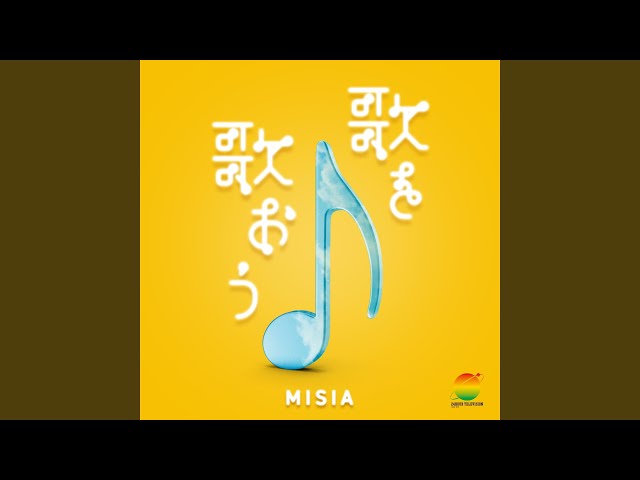
A heartwarming ballad by MISIA, written and composed by Masashi Sada and produced with accomplished musicians including the genius pianist Kanade Kihira.
Released as a charity song on the 2021 24-Hour TV program, its straightforward message—urging us to overcome hard times through the power of song—gently permeates listeners’ hearts, carried by MISIA’s soulful vocals and a sweeping melody.
Her embracing performance seems to softly cradle a faltering heart and give the strength to believe in tomorrow.
It’s a hope-filled number that’s perfect for moments when you need the courage to take a step forward.
We are Pico Pico Hammers!!!!cosMo@bousou P

An ultra-pop rock tune with an addictive rush of exhilaration! It’s a track by the Vocaloid producer cosMo@BousouP, known for works like “The Disappearance of Hatsune Miku,” released in September 2025.
A participating song in the Sonic × Hatsune Miku collaboration project “Project ONSOKU.” His signature high-speed sound, combined with the cuteness of Amy from the Sonic series, creates a wonderfully fresh resonance.
It’s the perfect hype anthem you’ll want to listen to when you need a boost!