

A collection of quotes from Lord Ubuyashiki Kagaya: words of unwavering resolve and salvation

Among the many memorable lines in the popular series Demon Slayer: Kimetsu no Yaiba, few are as striking as those of Kagaya Ubuyashiki, the Master of the Demon Slayer Corps.
As the leader guiding the Hashira, he spoke words that were at times stern and at times warmly resonant.
His statements are imbued with profound compassion and unwavering conviction.
In this article, we introduce some of Kagaya Ubuyashiki’s deeply moving quotes.
Even amid harsh realities, his words sought out the light of hope—and they are sure to stir your heart as well.
- The memorable quotes from Demon Slayer pierce the heart. These profound words cannot be read without tears.
- Demon Slayer: A collection of Yushiro’s quotes that resonate with the heart—profound lines filled with his feelings for Lady Tamayo
- Let Tanjiro Kamado’s famous words light a fire in your heart—words that teach both kindness and strength.
- [Demon Slayer] Tamayo’s Famous Quotes: Iconic Lines Filled with a Fugitive’s Tenacity and Compassion
- The famous quote by Kyojuro Rengoku, who enjoys immense popularity in Demon Slayer.
- Insect Hashira Shinobu Kocho’s Famous Quotes: Words of Strength and Resolve That Stir the Heart
- Nezuko Kamado’s famous quote. Words that convey kindness, strength… and a deep bond.
- [Shaking the Soul] Kokushibo’s Famous Quotes: A Collection of Lines Radiating Overwhelming Presence
- Giyu Tomioka’s words pierce the heart. Deep sayings from the taciturn Water Hashira.
- Mitsuri Kanroji’s quotes resonate with the heart! Words that teach us kindness and strength.
- Jigorō Kuwajima’s famous words resonate with the heart: Life lessons learned from Demon Slayer
- Quotes by Gyomei Himejima: profound words from the Stone Hashira that resonate with the heart.
- A collection of Muichiro Tokito’s famous quotes: profound words from the Mist Hashira that leave a lasting mark on the heart.
A collection of quotes from Lord Ubuyashiki Kagaya. Words of unwavering resolve and salvation (1–10)
Eternity is the will of people. It’s human feelings that are truly eternal and indestructible.
@animoti555 TranslationProverbMotivation#DemonSlayerKagaya Ubuyashiki
♬ Original song – Animoti – animoti555
While searching for each other, he finally came face to face with Muzan Kibutsuji and delivered this famous line: “Eternity is the will of humans.
It’s human will that is eternal and indestructible.” It’s a line that speaks to the futility of targeting Nezuko Kamado in pursuit of eternal, undying life.
Even if one’s life comes to an end, their will is passed down to future generations and will not vanish until their purpose is fulfilled—a message made all the more convincing coming from a clan that has fought demons for a thousand years.
It’s a quote that highlights the stark difference in values between demons and humans.

Amane, thank you so much for everything up to now.

As his condition worsened and he was unable to attend the meeting, his wife Amane participated in his stead and reported on its proceedings.
These are the words Yoya addressed to Amane.
They convey his gratitude for always being by his side—despite being tormented by a curse and facing a difficult path, with the support of their comrades, she remained his constant support.
It’s striking how his words sound almost like a final farewell, even though the battle is still far from over.
While leading the Demon Slayer Corps, he still expresses his thanks with earnest sincerity, and you can clearly feel his character in that straightforward gratitude.

You are not forgiven by anyone—not once in a thousand years.

The famous line spoken in a conversation with Muzan Kibutsuji—despite being mortal enemies who never once met—“You have not been forgiven by anyone.
Not once in a thousand years.” It’s a line packed with the conviction that those who had their loved ones taken from them so unjustly will never forgive demons.
No matter how long he lives or how strong he becomes, you can feel the unwavering resolve that Muzan will never attain the eternity or immortality he seeks.
It’s a quote that speaks to the truth that one’s deeds inevitably return to oneself, and there is no escaping that fate.
Quotes of the Master, Kagaya Ubuyashiki: Words of strong resolve and salvation (11–20)
I can’t prove that there’s no guarantee they won’t attack people. But I also can’t prove that they will attack people.

There is a quiet, probing line spoken by the leader who supports the Demon Slayer Corps—the Master—during the Hashira meeting about Nezuko: “We cannot prove a guarantee that she won’t attack humans, but neither can we prove that she will.” These words express the Master’s calm perspective and deep compassion, acknowledging that we cannot deny the possibility that Nezuko, even as a demon, may not attack humans and is not bound by her past.
It’s a line that truly resonates with the fighters who struggle in the harsh world of the Demon Slayer Corps.

Could you patiently talk to them so they can look forward (move on)?
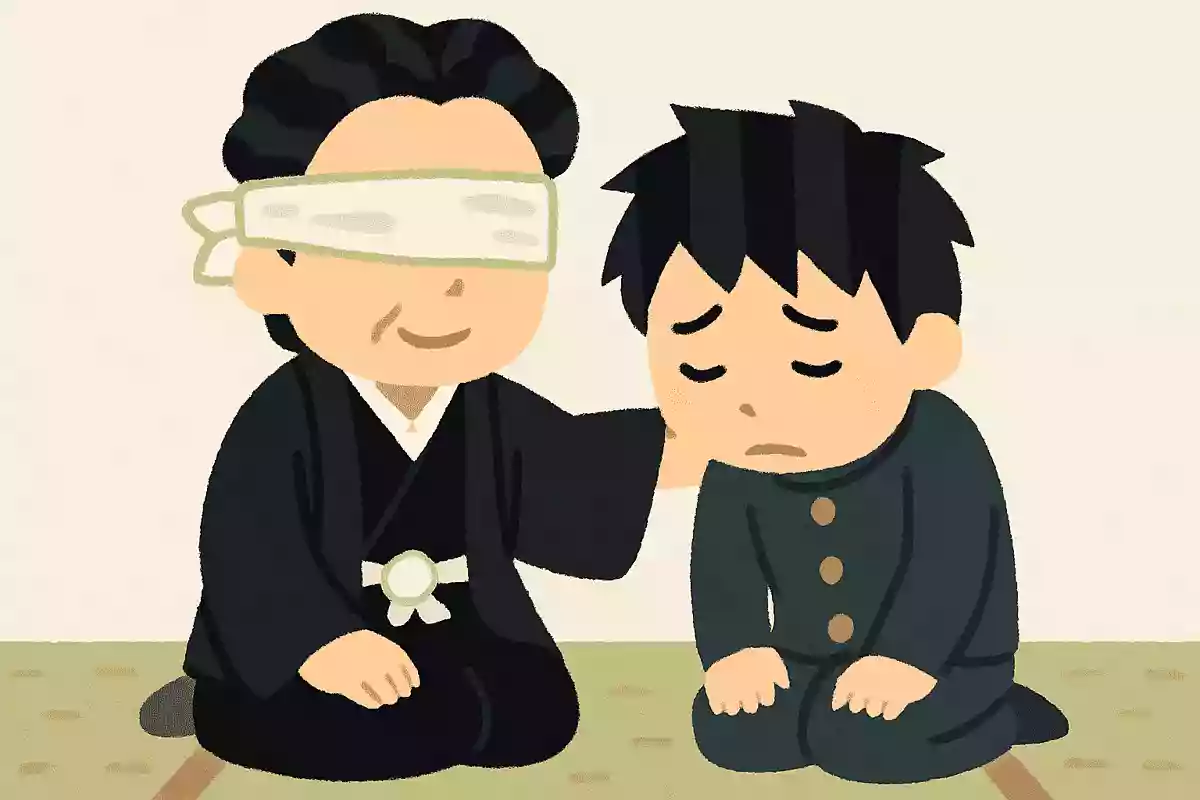
These are gentle words spoken by Kagaya Ubuyashiki to Tanjiro, conveying his wish that Tanjiro be there for Giyu.
The key point is that he doesn’t use direct expressions like “help” or “support,” but instead emphasizes “listening,” which also communicates the importance of understanding the other person.
Along with his concern for Giyu, you can feel his trust that Tanjiro will be the one to help Giyu overcome his past.
By choosing not to do everything himself and entrusting things to his comrades, Ubuyashiki also demonstrates qualities befitting a leader.
When you regain your steadfast self, you can become even stronger.
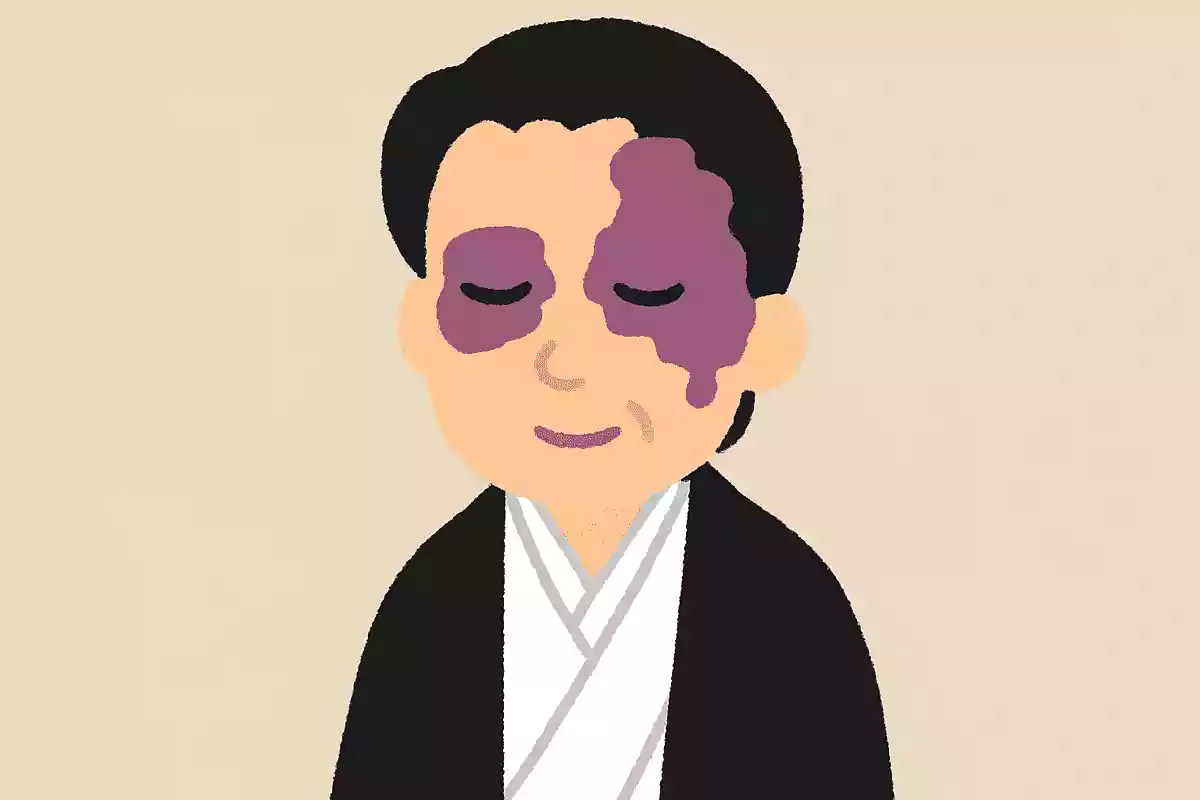
These are the words Muichiro Tokito remembered during the battle—words once spoken to him by Kagaya Ubuyashiki.
It’s a situation where words he didn’t understand at the time now resonate with persuasive force, and through that we can see Muichiro’s growth.
The fact that he unleashed his strength the moment he became aware of the path he should follow, just as those words suggested, also shows how deeply Kagaya understands his comrades.
They’re words that convey, with clarity, the direction of growth suited to each individual, and in that sense they also reveal his qualities as a leader.
I’m not great or anything. Everyone just treats me that way out of goodwill.
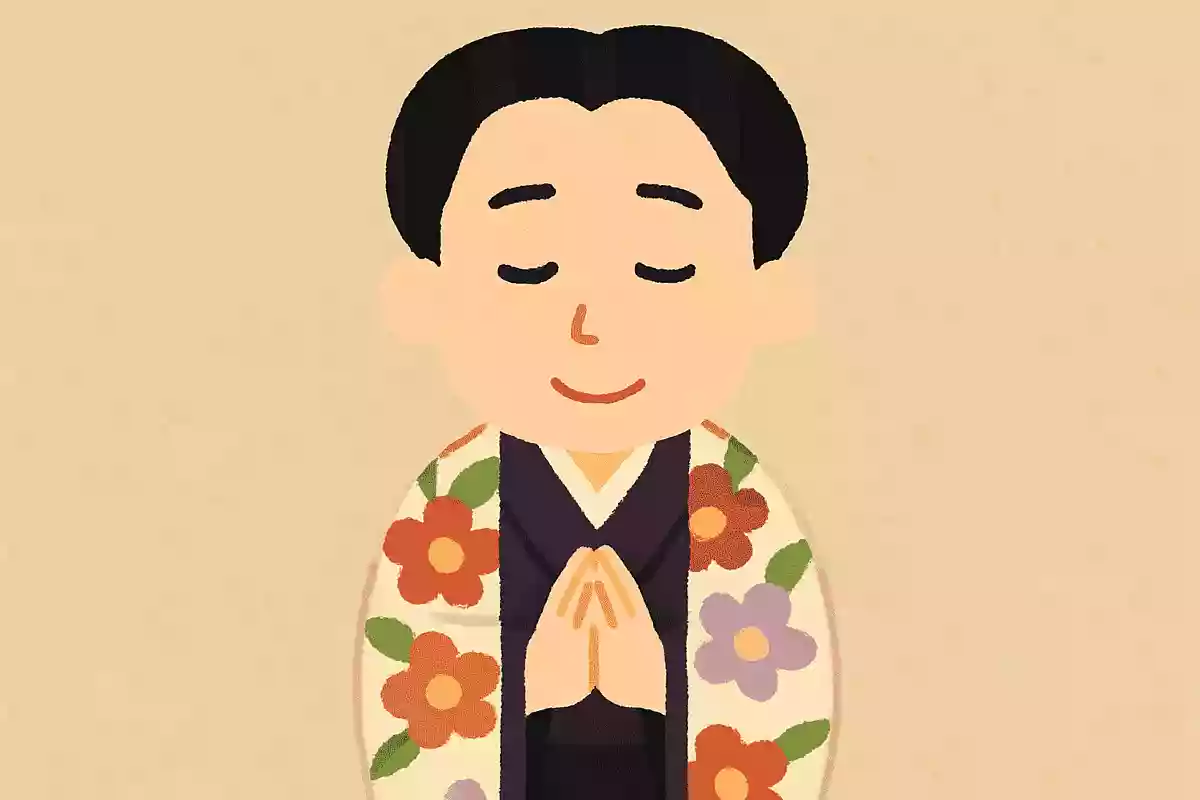
These are words from someone who leads the Demon Slayer Corps, expressing the idea that they are not great in themselves.
They convey that it’s only because so many people support them that they can hold this position, and they also show trust in their comrades.
The words reflect a stance of wanting to remain a leader as long as others treat them as one, and a desire to support those comrades who feel that way.
They also suggest a cautious mindset—avoiding overestimating oneself and focusing on what one can do.