

A compilation of easy-to-sing anime songs that get the crowd going at karaoke

Want to sing anime songs at karaoke but not sure which ones will hype up the room? The truth is, anisong lets you express the emotions of the story as they are, so there are tons of tracks you can belt out and really enjoy.
No worries if you haven’t seen the original works! From timeless hits everyone’s heard at least once to the latest trending anime themes, we’ll introduce anisong picks that are easy to sing and guaranteed to energize the crowd.
We’ll also mix in recommendations tailored to different situations—karaoke with friends, group hangouts, or solo practice sessions!
- Get the party started at karaoke! A roundup of popular and classic anime songs!
- Anime Anthem Bangers That Hype Up Karaoke [Gather, Anime Fans!]
- A Special Feature on Easy-to-Sing Anime Songs for Karaoke [100+ Songs]
- Anime Songs for High Scores: Carefully Selected Easy-to-Sing Tracks for Karaoke
- A roundup of hyped, trending anime songs | A lineup of god-tier tracks that shine at karaoke too
- These are the anime songs you’ll want girls to sing at karaoke! Classic hits that will liven up the crowd.
- [Classic] Hit Songs! Hype Anime Theme Song Special [Latest]
- Upbeat Anime Songs Special [Get Hyped]
- Hype songs! Popular karaoke staples that are easy to sing
- [Gag/Random] Funny Anime Songs Special [Karaoke]
- Get the crowd going at karaoke! A special feature on easy-to-sing Vocaloid songs—from timeless staples to hidden gems
- Anime songs that hype up the after-party: recommended bangers and popular tracks
- Hidden karaoke gems you might not know: a collection of easy-to-sing, crowd-pleasing tracks
A Special Feature on Easy-to-Sing Anime Songs That Hype Up Karaoke (1–10)
Kokoro-eroodo obu mejyaa

Despite their short-lived activity, the band Road of Major made a splash in the rock scene.
They are known for their refreshing rock sound and have left behind many great songs.
Among them, Kokoroe is especially recommended as a high-energy anime song.
It was used as the opening theme for Major: 1st Season and continues to enjoy strong popularity among readers and viewers to this day.
While the vocal range spans from mid1 D to high C and is relatively wide, it doesn’t require delicate falsetto, so as long as you can belt, it’s by no means a difficult song.

Message of RougeMatsutōya Yumi

Yumi Matsutoya’s classic “Rouge no Dengon.” Its nostalgic melody evokes a distinctly Showa-era feeling, doesn’t it? Released in 1975, the song was later used 14 years on, in 1989, as the opening theme for Studio Ghibli’s film Kiki’s Delivery Service.
The vocal range is somewhat wide, from mid1 F# to hi D#, and while the pitch rises and falls fairly intensely toward the end of the chorus, the overall tempo is relaxed and the song builds wonderfully—hence our decision to feature it this time.
Maximum reachSEKAI NO OWARI
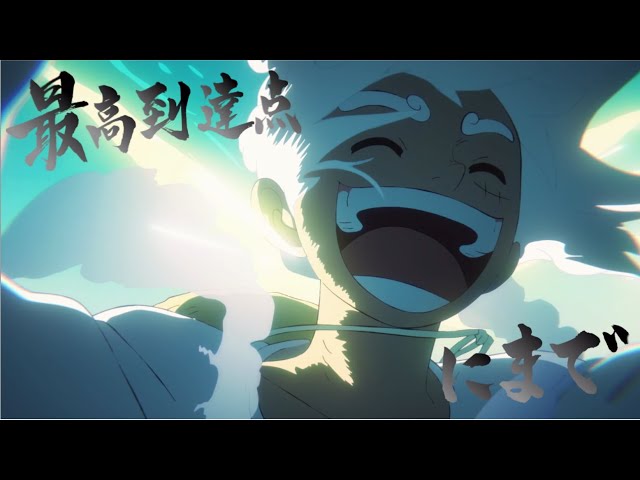
SEKAI NO OWARI’s masterpiece “Saikou Toutatsuten” (The Highest Point), released in 2023.
The song is also known as the theme for the popular anime ONE PIECE.
Its melody evokes the swashbuckling adventures of the story, blending an exciting, slightly fantastical atmosphere.
You might perceive it as lofty, but the actual vocal range isn’t wide, spanning mid1 F to mid2 F#.
However, since mid2 F# appears very frequently, if you find it hard to sing, consider lowering the key to adjust.
Karaoke-Friendly Anime Songs That Get the Crowd Going (11–20)
lulu.NEW!Mrs. GREEN APPLE

A single track where a lively rhythm coexists with a grand sense of scale.
It unfolds a profound worldview themed around the boundary between endings and beginnings, and the things that are passed down as they change form.
Released in January 2026, this song was chosen as the opening theme for Season 2 of the TV anime Frieren: Beyond Journey’s End.
It’s also an important number that marks a new chapter for Mrs.
GREEN APPLE.
Its propulsive melody is guaranteed to send the energy soaring if you sing it at karaoke! It’s the perfect song for getting everyone hyped together while also savoring the deep afterglow the track leaves behind.
Bacchi DancerDOES
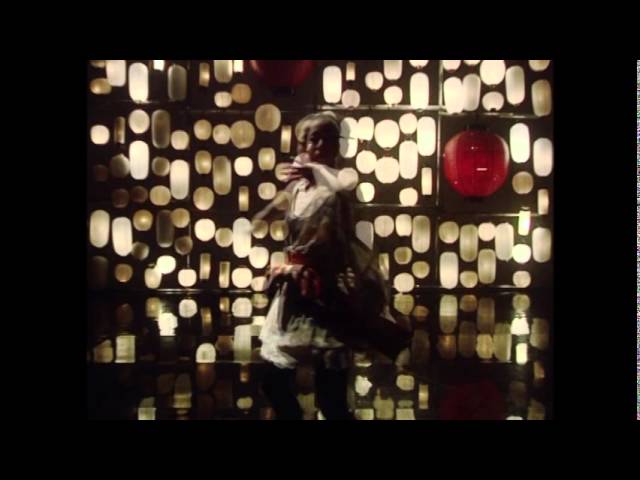
Among the theme songs of the popular anime Gintama, I find DOES’s tracks particularly memorable.
Although Bakuchi Dancer isn’t a TV anime opening, it was used as the theme song for the film Gintama: The Movie – A New Retelling Benizakura Arc.
The song is extremely popular among Japanese rock fans and was a karaoke staple throughout the 2010s.
True to DOES’s style, the vocal range is relatively narrow—mid1 D to mid2 E—making it very easy to sing.
GO!!!FLOW

FLOW is a five-member rock band that gained popularity in the 2000s.
Their bright and exhilarating musical style is striking, and GO!!! showcases the appeal of FLOW particularly well.
The song was used as the fourth opening theme for the popular anime NARUTO and became a hit.
Although it’s uptempo, the vocal range is relatively narrow—mid1 G# to mid2 G#—so it’s easy to sing.
It’s a big crowd-pleaser among Naruto fans, so consider adding it to your repertoire.
Become the windtsuji ayano

Ayano Tsuji is a female singer-songwriter known for her distinctive, languid musical style.
She has many classic songs, but among them, “Kaze ni Naru” has been especially popular.
Used as the theme song for Studio Ghibli’s film The Cat Returns, it remains beloved to this day.
Arranged in a straightforward J-pop style, its vocal range spans from mid1 G to hi C, fitting within a typical female vocal range.
Overall, it’s a song that’s easy to sing.