



Want to sing anime songs at karaoke but not sure which ones will hype up the room? The truth is, anisong lets you express the emotions of the story as they are, so there are tons of tracks you can belt out and really enjoy.
No worries if you haven’t seen the original works! From timeless hits everyone’s heard at least once to the latest trending anime themes, we’ll introduce anisong picks that are easy to sing and guaranteed to energize the crowd.
We’ll also mix in recommendations tailored to different situations—karaoke with friends, group hangouts, or solo practice sessions!
- Get the party started at karaoke! A roundup of popular and classic anime songs!
- Anime Anthem Bangers That Hype Up Karaoke [Gather, Anime Fans!]
- A Special Feature on Easy-to-Sing Anime Songs for Karaoke [100+ Songs]
- Anime Songs for High Scores: Carefully Selected Easy-to-Sing Tracks for Karaoke
- A roundup of hyped, trending anime songs | A lineup of god-tier tracks that shine at karaoke too
- These are the anime songs you’ll want girls to sing at karaoke! Classic hits that will liven up the crowd.
- [Classic] Hit Songs! Hype Anime Theme Song Special [Latest]
- Upbeat Anime Songs Special [Get Hyped]
- Hype songs! Popular karaoke staples that are easy to sing
- [Gag/Random] Funny Anime Songs Special [Karaoke]
- Get the crowd going at karaoke! A special feature on easy-to-sing Vocaloid songs—from timeless staples to hidden gems
- Anime songs that hype up the after-party: recommended bangers and popular tracks
- Hidden karaoke gems you might not know: a collection of easy-to-sing, crowd-pleasing tracks
A Special Feature on Easy-to-Sing Anime Songs That Hype Up Karaoke (1–10)
silhouetteKANA-BOON

The anime NARUTO, which became a worldwide hit, is widely known for its opening theme used in the Shippuden arc focusing on the characters’ youth, and it attracts many overseas comments on platforms like YouTube.
Popular among Naruto fans, this song is characterized by its bright and uplifting melody.
In the A section, there’s a phrase that repeatedly switches between falsetto and chest voice; while this is largely due to Maguro Taniguchi’s vocal style, it’s perfectly fine to carry it through in chest voice.
Although the overall pitch is on the higher side, the range itself is narrow, making it a relatively easy song to sing.

My Past Life, Many Lifetimes AgoRADWIMPS

RADWIMPS’s hit song “Zenzenzense.” It was released as the theme song for the hugely popular anime film Your Name, which gained nationwide acclaim.
Among RADWIMPS’s tracks, this one has a fairly orthodox rock feel, and features an easy-to-sing vocal line that appears repeatedly throughout.
The vocal range is mid1 F# to mid2 F#, which is somewhat narrow for a male vocal song.
While the chorus has the drawback of having few break points, it doesn’t frequently require long sustained notes, making it exceptionally easy to sing.
It’s a popular song embraced by a wide range of generations, so you can expect it to really get the crowd going.
Chu, diversity.ano
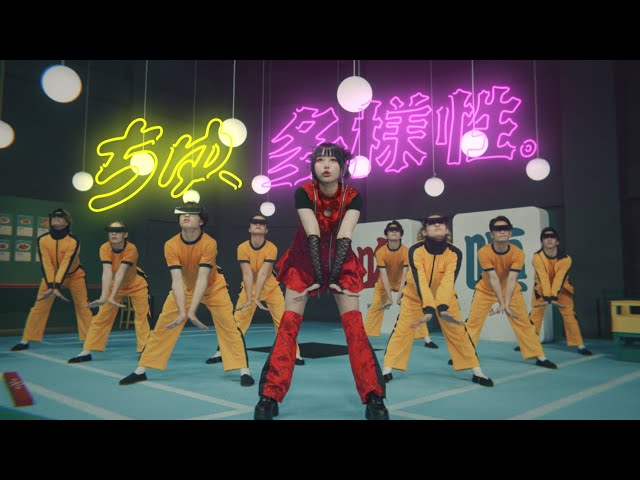
A wildly in-demand presence on television, Ano-chan.
She also performs as a singer under the name ano, consistently turning out hit songs thanks to her highly original musical style and distinctive voice.
Her signature track “Chu, Diversity.” was used as the ending theme for episode 7 of the anime Chainsaw Man.
The song has a great groove with a melody that even hints at Chinese pop.
While it features relatively few high notes or dramatic breaks overall, its vocal range is quite narrow—mid2 A# to hi C#—making it exceptionally easy to sing.
cloudy skyDOES

The rock band DOES, known for their gritty melodies, has earned widespread popularity.
When it comes to anime songs and DOES, Gintama is the first thing that comes to mind, right? Their hit track Don’ten was released in 2008 and is known in the anime world as a theme song for Gintama.
While it delivers the kind of high-energy lift you expect from rock, its vocal range is fairly narrow—mid1 B to mid2 F#—making it exceptionally easy to sing and great for getting the crowd going.
Be sure to add it to your repertoire.
Get WildTM NETWORK

TM NETWORK’s smash hit “Get Wild” is best known as the theme song for the classic anime City Hunter, which recently drew global attention through a live-action remake.
It’s also been used in the Paris Olympics “no-spend uncle” meme, earning support from younger audiences.
While its emotional melody stands out, there are plenty of hype moments, and the song is crafted within a very narrow range—mid2A to mid2G—making it exceptionally easy to sing.
Sugar Song and Bitter StepUNISON SQUARE GARDEN

UNISON SQUARE GARDEN is a band well-known in the anison scene.
They’ve created many anime songs, but among their works, “Sugar Song and Bitter Step” is arguably one of the most popular.
This track was released as the ending theme for the hit anime Blood Blockade Battlefront and enjoys outstanding popularity within the anison community.
While the vocal range is on the higher side at mid1 F# to high B, it’s not extremely wide.
With fewer breakpoints and fewer long tones in its structure, it’s a song that’s quite easy to sing for fun at karaoke.
We are!kitadani hiroshi
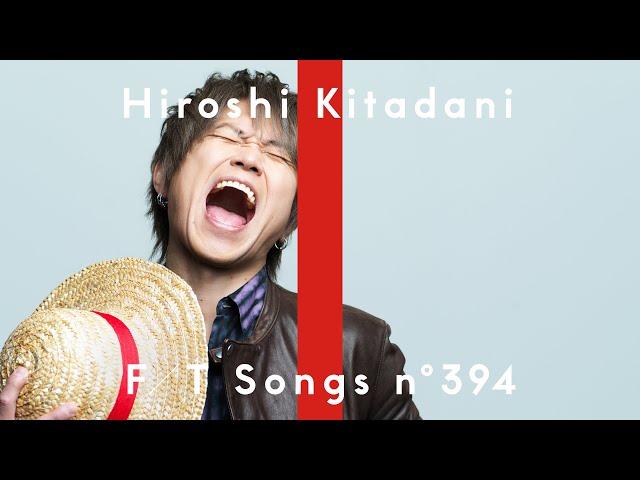
The anime One Piece enjoys worldwide popularity.
Since it’s been airing for many years, it has featured a variety of theme songs, but the most famous one is probably We Are!, right? This track is sung by anison singer Hiroshi Kitadani, and unlike typical pop singers, he really captures the spirit of the original work in his vocals.
The song’s range spans from mid1 D# to mid2 G#, which falls within the typical range for a male vocalist.
The pitch movement is relatively gentle as well, so while it’s exciting, it’s also very easy to sing.