

Explore the innovative sounds and iconic songs that shaped the history of 60s bands


The 1960s were a golden age of innovative sounds that shine in the history of music.
Led by The Beatles and The Rolling Stones, legendary bands like The Beach Boys and Creedence Clearwater Revival produced one classic after another.
From experimental psychedelic sounds to protest songs that raised questions about society, this was an era in which the possibilities of musical expression expanded dramatically.
Here, we present a selection of timeless masterpieces that remain as vibrant as ever, along with the historical context of their time.
- Great Western rock classics and hit songs of the '60s
- Back to those nostalgic days… Classic and hit Western songs of the 1960s
- The Greatest American Rock Band [All Time Best]
- The 1970s were the golden age of Western rock! Recommended classics and hit songs
- Timeless Western pop ballads that colored the 1960s—masterpieces whose brilliance never fades.
- [Masterpiece Selection] A Compilation of Classic Western Rock Songs
- 1980s: Legendary Western Rock Bands’ Classic and Hit Songs
- Legendary Japanese rock masterpieces and hit songs of the 1960s
- A roundup of popular Western blues bands—also recommended for rock fans!
- Female Singer-Songwriters of the ’60s: Popular Songs Ranking [2026]
- The Beatles’ famous and popular songs
- A classic Group Sounds song. A nostalgic GS hit.
- Classic and hit Japanese pop songs from the nostalgic 1960s
Exploring the iconic songs that shaped the innovative sounds and history of 60s bands (71–80)
Let’s Live For TodayThe Grass Roots
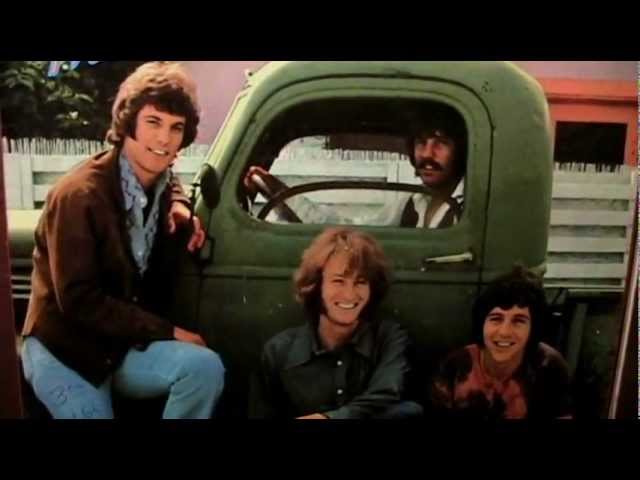
This is a classic that distills the psychedelic allure of the American rock band The Grass Roots.
Released in May 1967, the song became a major hit, reaching No.
8 on the U.S.
Billboard Hot 100 with its innovative sound that deftly fused folk rock and blue-eyed soul.
Rob Grill’s passionate lead vocals and exhilarating harmonies are deeply moving, and the track resonated with many as a work that voiced the feelings of young people living through the Vietnam War era.
Its message, singing of the bittersweetness and hope of youth, continues to possess a timeless, universal appeal.
Featured as the title track of the album “Let’s Live For Today” and selling over two million copies, this enduring masterpiece is an essential addition to any playlist.
Witches HatThe Incredible String Band

A song that deserves a place on any legendary playlist representing the ’60s.
In just two minutes and thirty seconds, it conjures a dreamy, magical world.
The lyrics—evoking the strange sights seen by children, the whispering of trees, and the sound of a cold wind—leave a striking impression of nature’s mysteries.
The Incredible String Band’s distinctive sound casts a spell of comfort over the listener.
Released in 1968 on the album The Hangman’s Beautiful Daughter, this track captured the hearts of many as a symbol of the counterculture of the time.
It’s a calming song to listen to while gazing up at the night sky.
Summer in the CityThe Lovin’ Spoonful

The Lovin’ Spoonful, a quintessential American folk-rock band of the 1960s, crafted an urban soundscape that still shines with undiminished brilliance.
Released in July 1966, this track features an innovative arrangement that deftly weaves in car horns and jackhammer noises—symbols of city clamor—and spent three consecutive weeks at No.
1 on the Billboard chart.
Included on the album Hums of the Lovin’ Spoonful, it vividly depicts scenes of a sweltering summer in the city.
Its hard-driving rock sound and organ-fueled, fast-paced melody were also used in the opening scene of the 1995 film Die Hard with a Vengeance, and the song remains beloved for evoking the heat and energy of summer.
Cissy StrutThe Meters

An instrumental track that fully conveys the allure of New Orleans funk.
Its comfortable beat stands out, and while the percussion rhythm is simple, it generates a body-swaying groove.
The interplay between guitar and organ is inventive, filling the space with a deceptively simple touch.
A landmark work that brilliantly captures the essence of funk, it shot to No.
4 on the R&B chart and No.
23 on the Billboard Hot 100 upon its 1969 release.
It was also inducted into the Grammy Hall of Fame in 2011.
A must-listen recommendation for music lovers, its refined structure still feels fresh today.
Nights In White SatinThe Moody Blues

The majestic soundscape woven by the ethereal tones of the Mellotron and a classical orchestra opened up new horizons in the rock scene of the 1960s.
Crafted from the youthful romantic feelings of 19-year-old Justin Hayward of the British band The Moody Blues, this piece was released in November 1967.
Featured on the album Days of Future Passed, it initially reached No.
19 in the UK.
Later, upon its 1972 re-release, it topped the Cash Box Top 100 in the United States, earning recognition as a world-renowned classic.
In 2023, it was also used in a Chanel perfume commercial, continuing to exude a timeless allure.
As a gem of a ballad best enjoyed alone on a quiet night, it soothes the heart swayed by tender, sweet feelings of love.
Hurricane Fighter PlaneThe Red Krayola

A track included on the classic 1967 release The Parable of Arable Land.
With The Red Krayola’s characteristically experimental sound, it vividly portrays the joy of taking to the sky and a yearning for freedom.
It sold 50,000 copies and has been highly regarded as a forerunner of proto-punk and psychedelic rock.
Featuring a stellar lineup—including 13th Floor Elevators’ Roky Erickson on organ and Jew’s harp—this work was crafted with remarkable ambition.
Its distinctive lyrics and harmonies are perfect for those eager to explore new musical possibilities.
As one of the defining songs of the ’60s, it continues to captivate music fans to this day.
Philosophy of the worldThe Shaggs

This is a signature song by The Shaggs, a band with a unique character that emerged in the 1960s.
Included on the album “Philosophy of the World,” the track presents an intriguing reflection on people’s desires and satisfaction.
The lyrics portray human nature in which different groups—such as the rich and the poor, or the overweight and the thin—long for what the other has.
It sharply points out the contradiction of human society: no matter what you do, someone will disagree.
Recorded in a single day in March 1969 at a studio in Massachusetts, the song later gained a cult following for its distinctive performance style and unconventional lyrics.
It’s a track praised by Kurt Cobain of Nirvana.