

Explore the innovative sounds and iconic songs that shaped the history of 60s bands


The 1960s were a golden age of innovative sounds that shine in the history of music.
Led by The Beatles and The Rolling Stones, legendary bands like The Beach Boys and Creedence Clearwater Revival produced one classic after another.
From experimental psychedelic sounds to protest songs that raised questions about society, this was an era in which the possibilities of musical expression expanded dramatically.
Here, we present a selection of timeless masterpieces that remain as vibrant as ever, along with the historical context of their time.
- Great Western rock classics and hit songs of the '60s
- Back to those nostalgic days… Classic and hit Western songs of the 1960s
- The Greatest American Rock Band [All Time Best]
- The 1970s were the golden age of Western rock! Recommended classics and hit songs
- Timeless Western pop ballads that colored the 1960s—masterpieces whose brilliance never fades.
- [Masterpiece Selection] A Compilation of Classic Western Rock Songs
- 1980s: Legendary Western Rock Bands’ Classic and Hit Songs
- Legendary Japanese rock masterpieces and hit songs of the 1960s
- A roundup of popular Western blues bands—also recommended for rock fans!
- Female Singer-Songwriters of the ’60s: Popular Songs Ranking [2026]
- The Beatles’ famous and popular songs
- A classic Group Sounds song. A nostalgic GS hit.
- Classic and hit Japanese pop songs from the nostalgic 1960s
Exploring iconic songs that shaped the innovative sounds and history of 60s bands (41–50)
After Rapidly Circling The Plaza [Pt. 1]AMM
![After Rapidly Circling The Plaza [Pt. 1]AMM](https://i.ytimg.com/vi/u9Z97v78OUI/sddefault.jpg)
A landmark work by AMM in their pursuit of free improvisation.
Recorded in June 1966 and released the following year on the album AMMMUSIC, it explores the possibilities of experimental music and drew attention for its innovative approach unconstrained by conventional performance methods.
Employing inventive techniques—such as playing instruments placed on a table—it ventured beyond the boundaries of music and even influenced pop music; it’s said to have affected Syd Barrett’s guitar playing.
This work stimulates the listener’s imagination and is recommended for anyone seeking to open up new horizons in music.
Exploring the iconic songs that shaped the innovative sounds and history of 60s bands (51–60)
Ghosts_first variationAlbert Ayler Trio

Recorded in July 1964 in New York City, this track captures listeners with Albert Ayler’s freely improvised tenor saxophone.
The exquisite interplay with Gary Peacock on bass and Sunny Murray on drums opened up a new frontier in free jazz.
Featured on the album Spiritual Unity, it sent shockwaves through the jazz world.
With an innovative approach that upends the traditional roles of the instruments, it expands the possibilities of musical expression.
Ayler’s philosophy—his belief in the healing power of the cosmos—breathes within the sound.
Highly recommended for anyone interested in free jazz or eager to experience a new horizon in music.
Presence Of The LordBlind Faith

Blind Faith was a supergroup that brought together Eric Clapton, Ginger Baker, Steve Winwood, and Ric Grech.
While one might expect hard-edged performances in the vein of Cream, they deliver a relaxed, pleasing sound.
This Clapton-penned song was frequently performed later by Derek and the Dominos and during his solo career, and can be considered an early masterpiece marking Clapton’s step away from Cream.
Rock Me BabyBlue Cheer

Featured on their debut album Vincebus Eruptum, released in January 1968, this track is a bold interpretation of B.B.
King’s blues standard.
Blue Cheer’s powerful performance, combined with lyrics yearning for love and passion, grips listeners and doesn’t let go.
The heavy sound woven by Dickie Peterson’s vocals and bass, Leigh Stephens’s guitar, and Paul Whaley’s drums paved the way for later heavy metal and grunge.
It’s a must-listen not only for music lovers but also for anyone interested in exploring rock history.
Jazz, Delicious Hot, Disgusting ColdBonzo Dog Doo-Dah Band
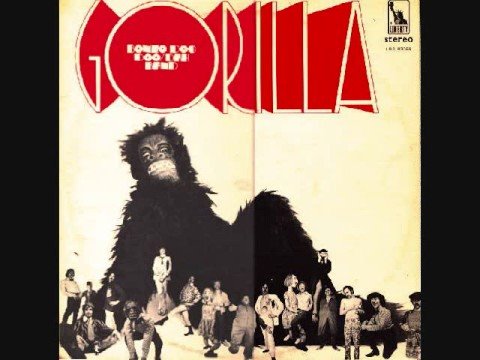
This is a track by the Bonzo Dog Doo-Dah Band that explodes with the quintessentially surreal humor of the 1960s.
It features deliberately clumsy jazz playing and offers a biting satire of trad jazz.
The song appears on their debut album, Gorilla, released in 1967, and was reportedly recorded using the four-track tape recorders common in the UK at the time.
With only two hours available for recording, the band even swapped instruments on purpose—one of several unique anecdotes from the production.
It’s a must-hear not only for jazz fans but also for anyone who enjoys surreal humor.
BluebirdBuffalo Springfield
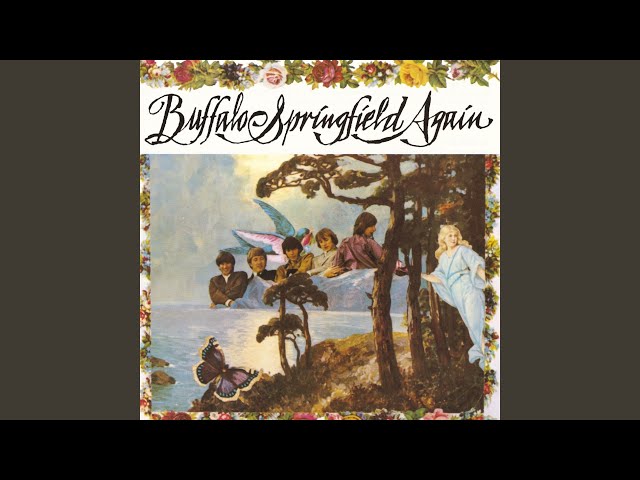
A band formed when Stephen Stills and Richie Furay discovered Neil Young in Canada.
It’s an intriguing song whose impression shifts dramatically, with a bluesy first half and a country-flavored second half.
Its diverse musical elements keep it engaging no matter how many times you listen.
The beautiful chorus work—foreshadowing Crosby, Stills, Nash & Young—is also a highlight.
For What It’s WorthBuffalo Springfield
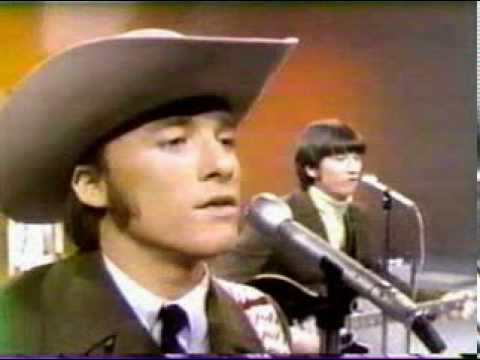
Released in December 1966 by Buffalo Springfield, this song has gone down in history as an emblematic protest anthem of the 1960s, vividly expressing social instability and the voices of youth.
Its simple, resonant melody and lyrics perfectly captured the chaotic mood of the time and won people’s hearts.
It reached No.
7 on the U.S.
Billboard Hot 100 and later became a popular track featured in various anthologies.
It is frequently used in works depicting the 1960s, such as the film Forrest Gump.
Highly recommended for those attuned to social movements or anyone who wants to feel the spirit of an era through music.