

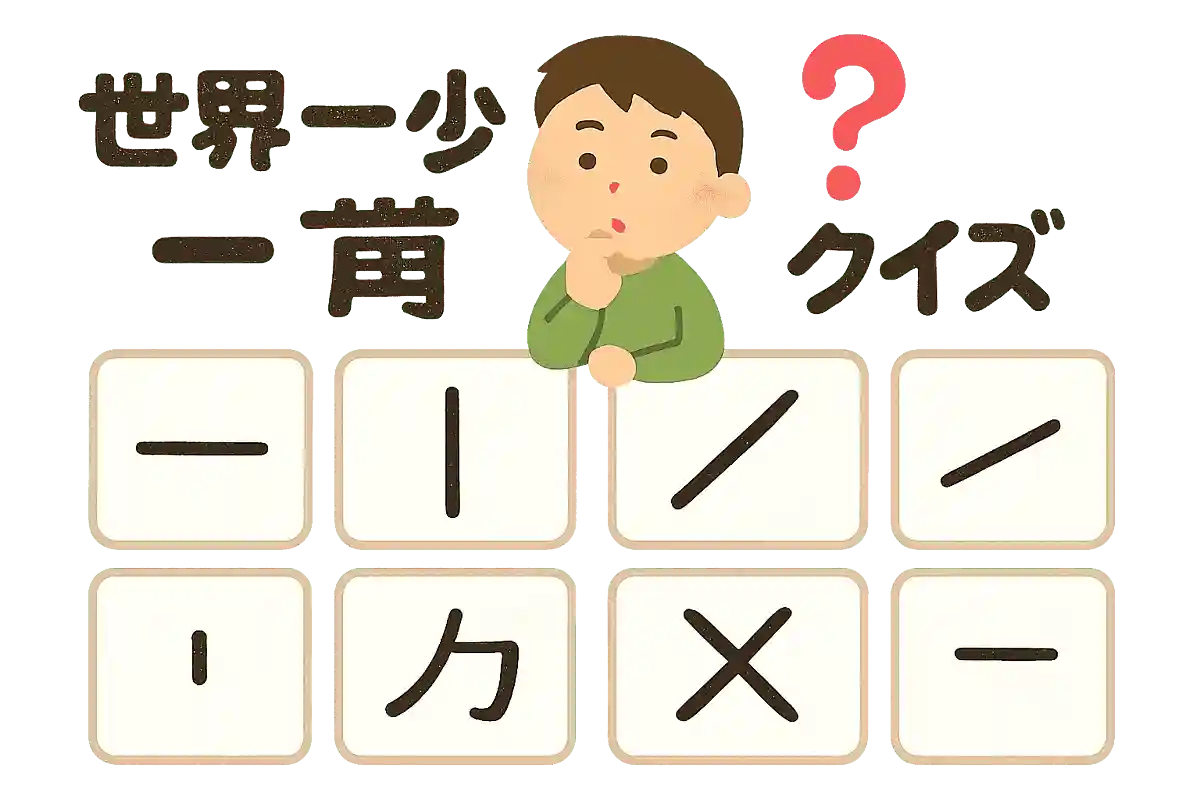

Kanji we’re familiar with in everyday life.
Among them, we’ve focused on the world’s simplest characters—those made with just one stroke.
As you’re reading this article, which kanji come to mind?
In addition to the kanji you commonly see, there are plenty of rare ones you hardly ever encounter.
We’ve put it together in a quiz format, so feel free to have fun while answering!
It might come in handy when you want to pose slightly nerdy questions, or you may find it useful somewhere down the line!
- [Hard-to-Read Quiz] Single-character difficult kanji — including surprisingly simple ones!
- The world’s toughest! A collection of insanely hard-to-read kanji
- Can You Read These? Quiz on Kanji with Many Strokes
- [General Knowledge] Summary of Kanji Quizzes Representing Country Names
- One-character difficult kanji quiz: a multiple-choice (3 options) game to learn the readings of challenging kanji
- How many can you read? A quiz on difficult kanji for foods
- [Interesting] Summary of Kanji Reading Quiz Questions
- Learn by Playing! Recommended Games with a Kanji Theme
- A fun quiz you can use to kill time by yourself or with everyone
- A quiz of interesting obscure kanji: characters that look easy but are hard to read
- Fun Quiz Questions That Will Liven Up the Office [2026]
- [For Elementary School Students] Country Names in Kanji Quiz. A quick, fun quiz
- A quiz on how to read obscure kanji: words that become difficult when written in kanji.
The world’s fewest: A collection of one-stroke kanji. Learn them in a quiz format!
one
- one
- to
- One!
See the answer
one
I imagine many of you first thought of this kanji. Besides being a number, it also conveys the idea of something being first, order, or excellence. Truly a one and only.
dot
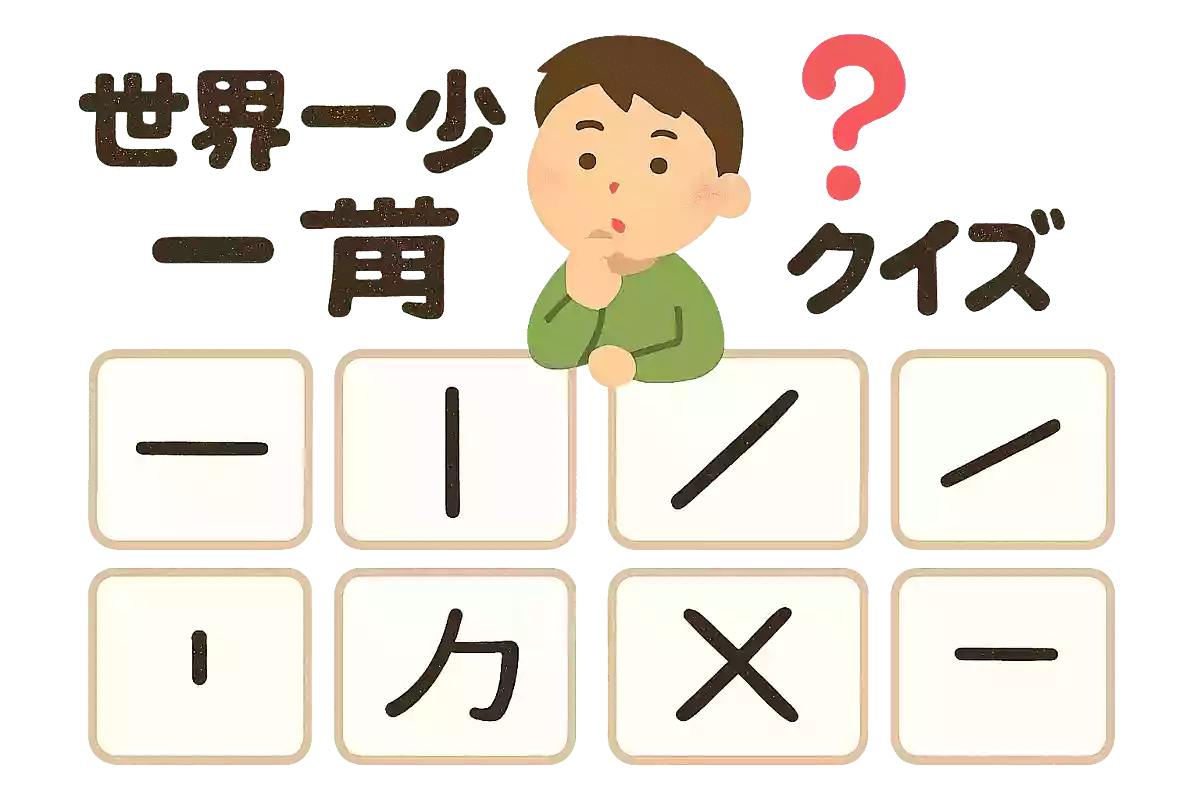
- smooch
- Tch
- cho
See the answer
smooch
As a mark that indicates the end of a sentence, it overlaps with the familiar period used in writing. However, its reading is unique... It's surprising that it exists independently as a kanji character!
|
- vertical
- kon
- sen
See the answer
kon
It carries the meaning of being connected to up and down, such as moving forward and backward. It’s like a vertical version of “one,” and very simple, isn’t it? It is not included in the official Kanji Proficiency Test allocations.
Good job
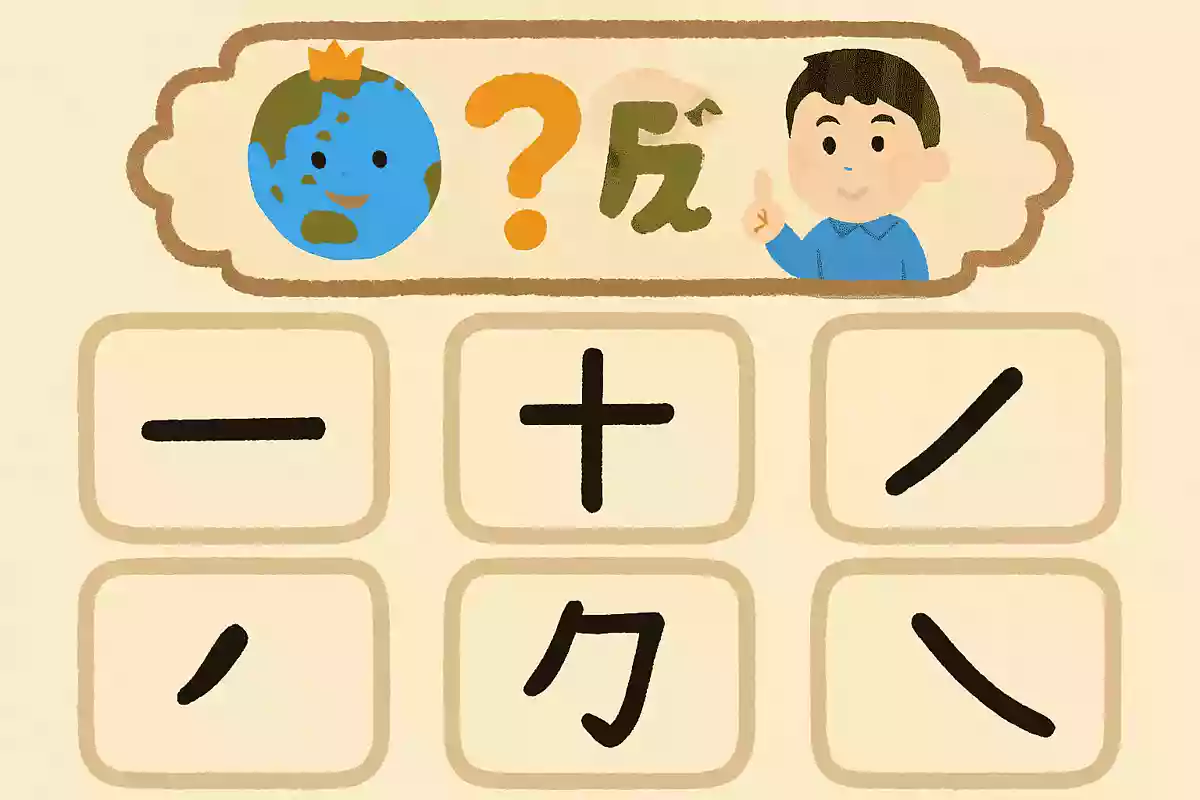
- Oh./Yep./Hey.
- Thanks for your hard work.
- Oh!
See the answer
Thanks for your hard work.
You sometimes see it as “A” and “B” (Kō and Otsu), or in family names, right? Besides meanings like youthfulness and beauty, it’s also used to convey a stylish, refined vibe, as in expressions like “an otsu kind of ___.”
乀
- to/toward
- normal
- Phew.
See the answer
normal
It looks similar to the character 乁, which is read as “i,” but here the first stroke rises diagonally to the right. It seems to depict a sweeping motion from the upper left to the lower right, as well as a curve.
The character ‘乁’ does not form a standard Japanese word by itself. It is a rare or archaic Chinese character, or a decorative symbol, and does not have a direct English translation.
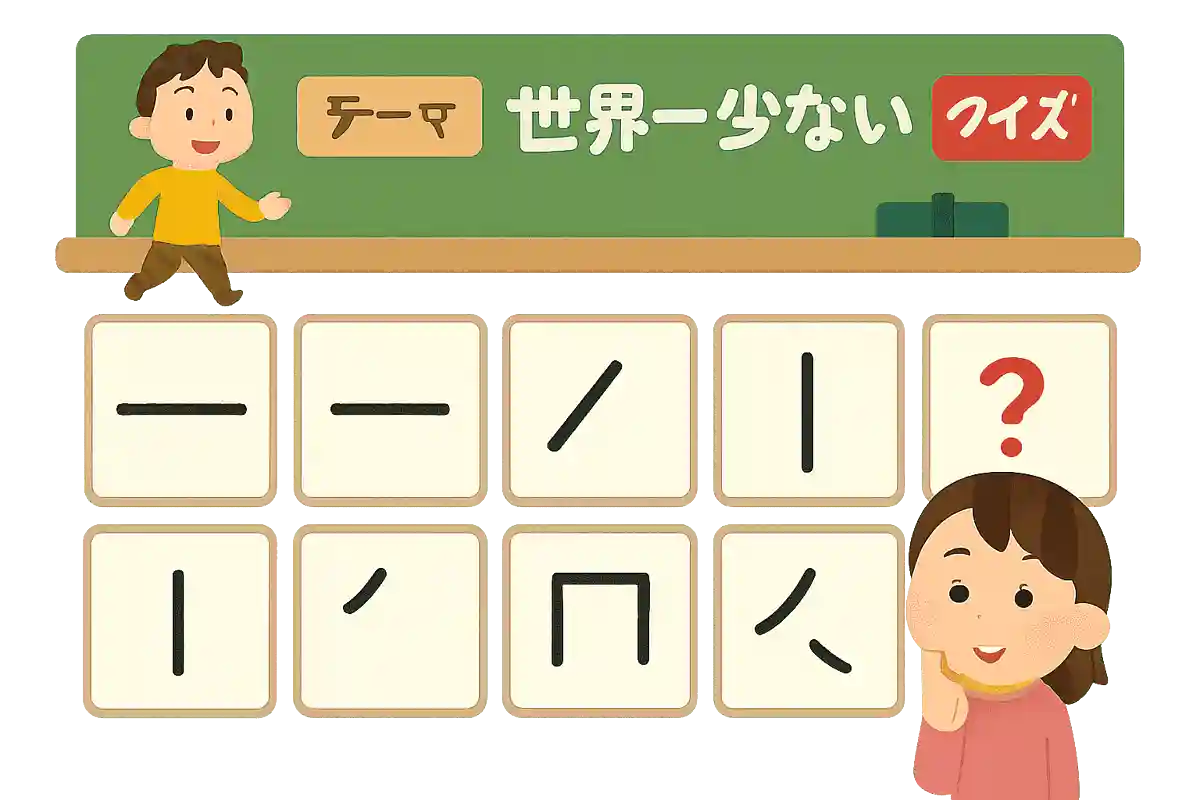
- i
- topic marker 'wa'; is/as for
- and/or; such as; or (used to list examples)
See the answer
i
It has the meanings “to flow” and “to transfer.” Since it isn’t included in the Kanji Kentei allocations and also can’t be used in given names, it’s a character you rarely encounter.
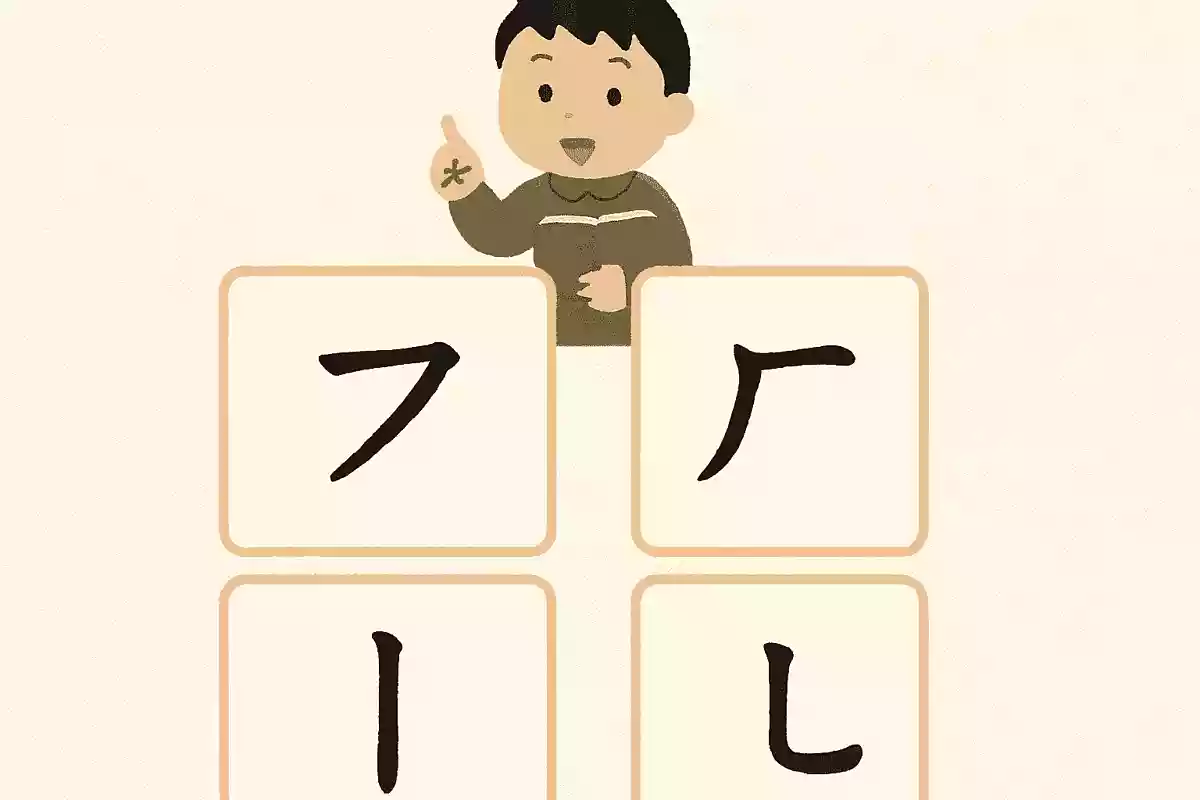
vertical hook
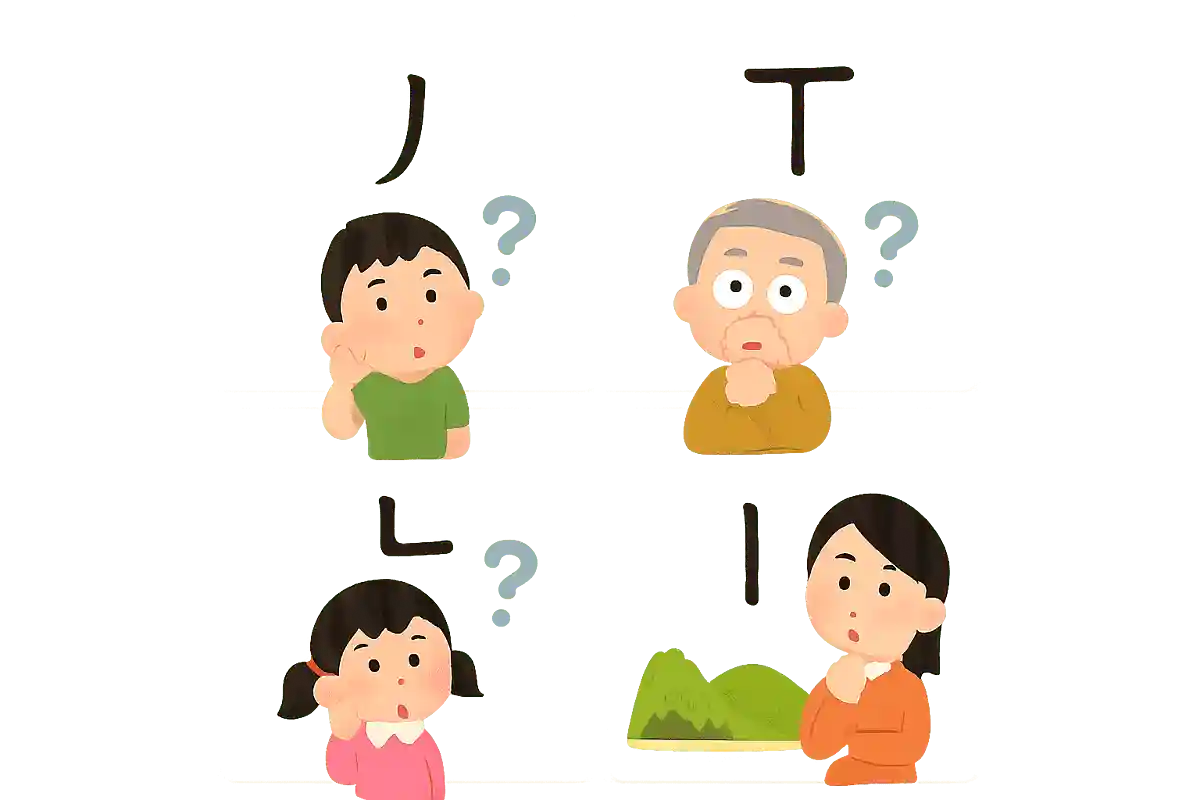
- jay
- jo
- butt
See the answer
butt
It means a curved tool used for catching or hooking things. This character, which can also be read as “kagi” or “hanebō,” is not included in the Kanji Proficiency Test. It kind of looks like a letter of the alphabet, doesn’t it?