

For rock fans too! Popular big beat groups and artists

Slogans like “a fusion of rock and techno” are nothing unusual, and modern rock and pop almost always incorporate some electronic elements.
The style I’m introducing today, Big Beat, is a subgenre of techno music that sparked a boom from the late ’90s to the early ’00s.
Rather than rock bands adopting techno elements, it’s characterized by a sound that, from the techno side, boldly weaves in rock-like dynamism—think heavy breakbeats layered with loud guitars.
Take this opportunity to check out the key artists and groups in Big Beat—many of whom have achieved major global recognition!
- Classic digital rock tracks. Recommended popular songs.
- From Japan! Technopop masterpieces and recommended popular tracks
- Aggressive dance music. A masterpiece of hardcore techno.
- Danceable Western rock! Disco sounds that heat up the dance floor
- Legendary techno masterpieces that go down in history. Recommended albums you should listen to at least once.
- Classic and popular tracks in Japanese techno
- What is minimal techno? We explain the appeal of music born from soothing repetition.
- [2026] The State of Western Hard Rock Today: A Roundup of Must-Listen Tracks
- From the UK! The Allure of Grime — Essential Albums and Fan Favorites to Start With
- [Intoxicating Vibes] A Beginner’s Guide to Classic Psychedelic Rock Songs (Western Music)
- Latest Techno Music | Introducing the Trends of 2026
- [Happy!!] A classic track of psychedelic trance. Recommended popular songs.
- Western Music: A Collection of Iconic Big Beat Tracks (Great for Rock Fans Too)
For rock fans too! Popular big beat groups and artists (11–20)
Pieces (feat. Plan B)Chase & Status

While most renowned big beat groups began their careers in the 1990s, Chase & Status are an electronic music duo formed in 2003.
Their second album, No More Idols, released in 2011, reached No.
2 on the UK Albums Chart, and their third album, Brand New Machine, released in 2013, also peaked at No.
2.
Becoming a defining presence in the UK dance music scene from the late 2000s onward, their sound is characterized by an aggressive blend of breakbeats and rock-driven dynamism, delivered with high intensity and incorporating drum and bass, hip-hop, and dubstep.
They are also highly regarded as remixers and producers, having worked on tracks for major artists such as Rihanna, JAY-Z, and The Prodigy.
Many of their hits feature a variety of guest vocalists, offering strong, accessible melodies.
They’re a group you should definitely check out, both for the sheer listenability of their music and to hear how big beat’s influence carries into contemporary sounds.

Where’s Your Head AtBasement Jaxx

Basement Jaxx, a British dance duo, are known for their house-based sound.
They shot to fame with their 2001 release “Where’s Your Head At.” Their music blends elements of Latin, funk, and hip-hop, making it a great recommendation for those who enjoy exuberantly bright, carnival-like dance music.
They’re also very popular in Japan and have performed at the Fuji Rock Festival multiple times.

AbsurdFluke
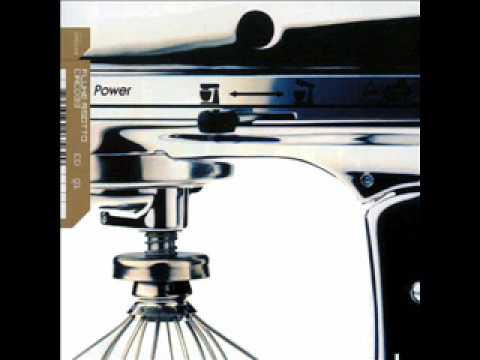
Formed in 1988 by three former roommates, Fluke may be less well-known than other big beat heavyweights, but their unique electronic music—born from a refusal to be confined to a single genre—has earned high acclaim.
They were also active behind the scenes, remixing superstars like New Order and Björk, and the five albums they released are all distinctive works with their own colors.
It’s surprising to learn that their 1991 debut album, The Techno Rose of Blighty, was released on Creation Records, the prestigious label that launched Oasis and My Bloody Valentine.
If you want to hear them at their most “big beat,” you should definitely check out their fourth album, Risotto, released in 1997.
It’s one of their most highly regarded records: the opening track, Absurd, has been used in numerous films and tie-ins, while the second track, Atom Bomb, appears on the soundtrack to the video game Wipeout 2097.
Immerse yourself in their cool brand of big beat, marked by a distinctly crisp, chilly texture.
BattleflagLo Fidelity Allstars

Lo-Fidelity Allstars, a band formed in London in 1996 and often described as successors to acid house icons Happy Mondays and The Stone Roses—who led the late-’80s to early-’90s boom—never quite achieved the same level of success as their predecessors.
However, their 1998 debut album, How to Operate with a Blown Mind, released at the height of the big beat era, earned high praise and popularity for its sound that fused acid house with elements of funk, hip-hop, and punk.
With a musical approach that brings club music elements from the rock side, they can be considered among the more rock-leaning acts within big beat.
As mentioned at the outset, they’re a must-check for fans of bands active during the acid house era!
Leave You Far BehindLunatic Calm
Many of you might feel you’ve heard “Leave You Far Behind,” introduced in this article, somewhere before.
Released by Lunatic Calm, an electronic music group from London, the track has been used on a wide range of film and video game soundtracks, including The Matrix and Mortal Kombat 2.
Formed in 1996 as a trio, they released their debut album Metropol the following year, followed by their final album Breaking Point in 2002.
Although they unfortunately disbanded without achieving major commercial success, their broad musicality—embracing dark psychedelia and trip-hop elements and defying the confines of big beat—continues to be highly regarded today.
As an aside, the members reportedly played in a band called Headless Chicken during their university days with none other than Radiohead’s frontman, Thom Yorke.
We Have ExplosiveThe Future Sound of London

It’s quite a bold group name, but it’s a project formed in 1988 by Brian Dougans and Garry Cobain—who studied electronic engineering at the University of Manchester—and they’ve continued to create cutting-edge sounds worthy of that name.
More than 30 years after their formation, they’re still very active, releasing work under countless aliases.
Their style is experimental, and it’s notable that their sound shifts from release to release, ranging from trance and techno to ambient and breakbeats.
It’s not easy to grasp their entire output, but since this is an article about big beat, why not start with the early breakbeat masterpiece single Papua New Guinea, the 1994 hit album Lifeforms that reached the top 10 on the charts, and Dead Cities (1996), which includes the classic We Have Explosive that was also featured in the 1995 film Mortal Kombat?
In conclusion
Precisely because younger listeners are used to sounds that blend elements of electronic music into genres like rock and pop, Big Beat—with its dynamic incorporation of primal beats—may feel refreshingly new. Starting from there, it can be fun to dig deeper into more niche styles that pair well with a rock-oriented approach, such as drum and bass, and explore even more immersive music!