

Lullabies of the World: Beloved and Popular International Songs That Soothe Children

We’re introducing lullabies from around the world.
Japan also has many lullabies, and many of you may remember songs your parents sang to you.
Among them, there might even be foreign lullabies you thought were Japanese.
In this article, we’ll introduce classic and popular foreign lullabies that have been sung across the globe and are recommended for soothing children.
These songs often have melodies and atmospheres different from Japanese lullabies, and listening to them may feel refreshing.
You might even discover a surprising song that helps your child fall asleep.
- [Lullabies] Recommended for putting children to sleep! Songs that lull babies to sleep
- Lullaby Rankings [2026]
- Famous American lullabies: soothing English melodies with lyrics for parents and children
- [Lullabies] Gentle songs to help babies sleep — soothing lullabies for your little one
- [Lullaby] Gentle masterpieces that soothe the heart—music box melodies to help your baby sleep soundly
- A classic Mother Goose tune. A Mother Goose song that’s popular with children.
- Folk Songs of the World | Hometown Songs Passed Down Abroad
- Children’s songs of the world: songs passed down and sung by children overseas
- [Western Music] Songs to play for putting your baby to sleep: timeless classics and popular hits from around the world
- Songs you can use on Instagram Stories for your baby’s cute moments
- Music you want your baby to listen to: classical, sleep music, nursery rhymes, and BGM.
- [Baby Sleep Music] Soothing music/BGM that lulls your baby to sleep
- [Lullabies] Classical music you’ll want your baby to hear: Sleep music
[World Lullabies] Beloved and Popular Classics from Abroad that Soothe Children (11–20)
NanaSupein min’yō
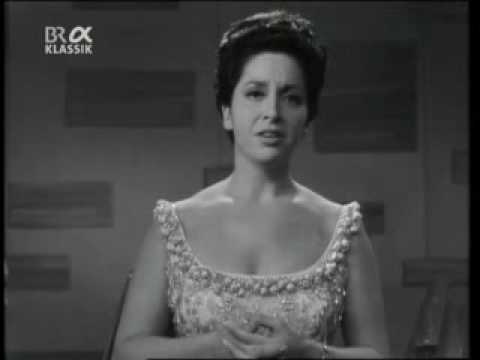
Seven Spanish Folksongs is a song collection based on Falla’s Spanish folk melodies.
“Nana” is a lullaby from the Andalusia region.
In Spanish, it is said to mean “grandmother.” Although it feels more like an art song than a lullaby, the lyrics seem to focus solely on soothing a beloved child to sleep.
Rock A Bye BabyMazāgūsu no komoriuta

A Mother Goose lullaby published in Britain in the late 18th century.
Although today it is often sung with peaceful lyrics, the original features strikingly painful verses characteristic of Mother Goose.
There is a theory that it serves as a cautionary lesson—that excessive ambition can cause your footing to crumble and send you tumbling down—and it may also have been a way for mothers to impart guidance from infancy.
Despite the lyrics, the melody feels gentle, making it a recommended lullaby for soothing babies to sleep.

Cossack LullabyRoshia no Komoriuta

A lullaby transcribed by the Russian writer Mikhail Lermontov during his exile.
In 1838, while exiled in the Caucasus, he notated a lullaby sung by an old woman and adapted it into Russian verse.
Later, the composer Alexander Gretchaninov set the text to music as the art song “Lullaby,” which is still widely sung today.
Its distinctive, wistful melody—quite different from Japanese lullabies—is also recommended for babies who have trouble falling asleep to ordinary lullabies.
Ninna Nanna Ninna OhItaria no komoriuta

An Italian lullaby whose shocking lyrics stand in stark contrast to its gentle melody.
Many lullabies around the world include lines like “If you don’t go to sleep, something scary will happen,” but in this song the mother herself sings, “Who shall I give this child to?” addressing a frightening presence, creating a tension unlike other lullabies.
For Japanese listeners who don’t understand Italian, it just sounds like a tender lullaby, but it’s surprising to learn that the words are actually scary.
It might be fine to sing it to a baby who won’t fall asleep as a momentary way to relieve stress, but be careful not to sing it with genuine intent.
The Dream Passes by the Window (Yume wa Madobe o Sugite)ukuraina no komoriuta

This song, a traditional Ukrainian lullaby, carries a uniquely melancholic and dreamy mood typical of the Russian-speaking world.
The famous lullaby “Summertime” by the American composer George Gershwin resembles this piece, and around the time this song was created, the Ukrainian National Choir performed it at Carnegie Hall.
There is even talk that Gershwin may have heard it and drawn inspiration from it.
If true, it’s a fascinating story.

Heidschi BumbeidschiChiroru no Komoriuta

A traditional Austrian folk song from Tyrol in western Austria, this lullaby is characterized by a gentle waltz rhythm.
The title “Heidschi Bumbeidschi” has no particular meaning; it functions like a soothing phrase used to lull children to sleep, similar to “nennen kororiyo okororiyo” in Japanese.
Although it’s omitted in the Japanese translation, the original lyrics include a verse that suggests a separation from the mother—unusual content for a lullaby.
Even so, its catchy, comforting melody may help calm a baby.
With its tender tune that’s just right for bedtime, it’s a lullaby we’d love parents and children to listen to together.
[World Lullabies] Beloved and Popular Classics from Abroad that Soothe Children (21–30)
Are you Sleeping

Isn’t this song one of the most famous rounds in the world? It’s based on a French nursery rhyme and has long been loved in English-speaking countries as well.
The lyrics depict people calling out to “John,” who is still asleep, telling him that the morning bells are ringing.
The melody is simple, but its greatest charm is the beautiful harmony that emerges when you sing it as a round.
In fact, this tune is said to have first appeared in a song collection published in Paris in 1811, making it a melody with a long history.
It has been cherished across genres—Gustav Mahler incorporated it into a symphony, and the Beatles quoted it in the chorus of “Paperback Writer.” Try layering your voices with family and friends and enjoy singing it as a round!