

Songs with titles that start with 'Ya'

This article introduces songs with titles that start with “Ya” (や).
How many songs that start with “Ya” can you think of?
When you put it that way, it’s surprisingly hard to come up with many, isn’t it?
This might come in handy someday—like for themed karaoke sessions, shiritori-style karaoke games, and more.
From classic smash hits to recent chart-toppers, we cover a wide range of songs old and new.
Feel free to use this as a handy reference whenever you need it!
- A roundup of Vocaloid songs with titles that start with “Ya”
- Songs with titles that start with 'yu'
- Songs with titles that start with “Yo”
- [Classic Showa Kayō Hits] The captivating Showa-era pop songs beloved even by younger generations
- A compilation of Vocaloid songs with titles starting with 'Yo'
- Songs that start with “se”. Use them as references for shiritori or choosing tracks for karaoke!
- Summary of Vocaloid songs with titles that start with “Ga” (が)
- Songs with titles that start with “Sa”: a roundup you can use for shiritori or karaoke
- A compilation of Vocaloid songs with titles that start with “Yu”
- Songs with titles that start with “Za.” Great for karaoke and shiritori!
- Songs with titles that start with “Na.” A hint for shiritori!
- Songs with titles that start with a number. Useful for karaoke or playlist selection.
- Discover new songs! A collection of tracks whose titles start with “Wa”
Songs with titles starting with “Ya” (21–30)
Ya Ya (I Won’t Forget That Era)Sazan Ōrusutāzu

A single released in 1982 by Southern All Stars, one of Japan’s iconic rock bands.
Though they’re often associated with summer and a lively image, this work is a ballad that tenderly reflects on days gone by, and it has left a deep impression on many fans.
The lyrics mention the name of the light music club that Keisuke Kuwata belonged to during his time at Aoyama Gakuin University, and it’s said that scenes from the campus are woven into the song.
These depictions, grounded in real experience, resonate with listeners’ own youthful memories and evoke empathy across generations.
In 1995, the song was included in high school music textbooks, a recognition of its excellence as a piece of pop music within educational settings.
It was also used in a commercial for Mazda’s MPV.
It’s a perfect song to listen to during graduation season for anyone wishing to look back on irreplaceable moments.
You wanna go?!hirau mi

This song tells a cute story about a cat-shaped Zundamon who comes to a human’s home and, though wary at first, gradually warms up to them.
It’s a work by Vocaloid producer Hirau mi, released in December 2025.
Despite its provocative title, the piece comically captures the quintessentially cat-like emotions of a timid creature slowly closing the distance.
Its short length packs in a ton of charm, making it irresistibly replayable.
Highly recommended for anyone looking for an easygoing Vocaloid track!
Songs with titles starting with “Ya” (31–40)
Promise ~promises~EXILE
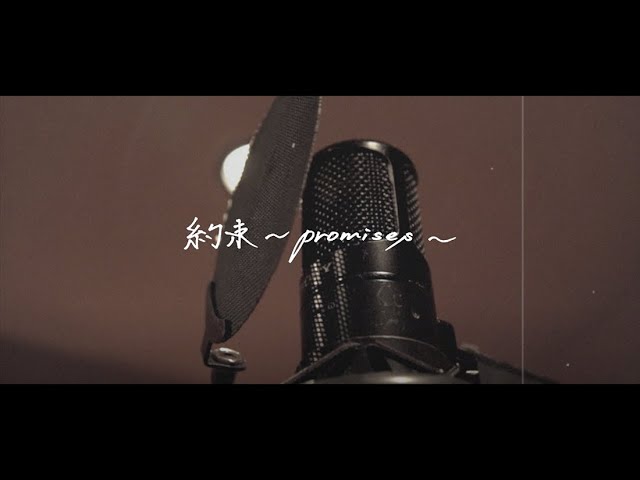
A heartwarming ballad by EXILE themed around a promise to meet again.
Created as the final work featuring ATSUSHI and TAKAHIRO as the duo on vocals, who have long led the group, the song’s lyrics were written by ATSUSHI.
It is filled with unwavering bonds that remain strong even when apart and a firm hope for the future.
Played at important milestones like graduation ceremonies or farewell gatherings to express gratitude, it will surely envelop the entire venue in a warm, moving atmosphere.
Yamada PERFECTjon-YAKITORY

Released in July 2024 by jon-YAKITORY, this track carries on the world and vibe of the smash hit “Chaos Boogie.” It portrays the protagonist’s inner conflict: praised by those around them as a “completed form,” yet really just wanting to immerse themselves in what they love.
It captures the feeling of being worn down the more you try to meet expectations, while still conveying the hope that life is far from over.
With its punkish sound and melodies, it’s perfect for anyone who wants to belt it out at karaoke.
nocturnalAnonymouz

A song that portrays the bittersweet feelings of love that overflow in the sleepless hours of the night.
Chosen as the opening theme for the BL drama “Jack Frost,” which aired in the MBS Drama Shower slot, this track is included on Anonymouz’s first full-length album, “11:11,” released in February 2023.
Its house-tinged track features a comfortably steady four-on-the-floor beat, with a sound that carries a hint of city pop.
The lyrics, which delicately capture the frustration of nights when thinking about the one you love only keeps you more awake, resonate deeply.
It’s a number we especially recommend to anyone struggling with a love they can’t quite be honest about.
an unkind girlKoresawa

It’s a ballad that portrays painfully real emotions, where unrequited love and self-loathing intertwine.
Singer-songwriter Koresawa, who keeps her real face hidden from the media, delivers this track as the closing song of her EP “Atashi no Koibito E.P,” released in November 2025.
It’s a poignant breakup song performed with just a single guitar and voice.
Through everyday scenes, it chronicles a clumsy state of mind—so consumed with thoughts of the other person that tenderness becomes elusive.
Among the tracks that include commercial tie-ins, this one deliberately weaves an unadorned sound whose solitary resonance strikes right at the heart.
On nights when the wound hasn’t healed and you want to cry quietly alone, it will be there to keep you company.
Young manSaijō Hideki

“Y.M.C.A.” has become a staple cheer song at school events and sports competitions.
The arm-swinging choreography went viral—these days, it feels like there’s hardly anyone who doesn’t know it! With an intro that instantly lifts your spirits, doesn’t it just make you smile? That smiling expression is really important: when your facial muscles naturally lift, your voice comes out more easily, making it much easier to sing! Plus, doing the choreography helps your body relax, which also makes projecting your voice easier.
Above all, the best thing is to just have fun singing it!
