


Aki Yashiro, a one-of-a-kind singer who sadly left this world on December 30, 2023.
She began performing as a club singer in her teens and, after her breakthrough, became known as the “Queen of Enka.” Yet she never stayed confined to a single field, taking on challenges in many areas.
In the 2010s, she even released a full-fledged jazz album and made her international debut.
Her tremendous achievements can’t be summed up in just a few lines.
Yashiro’s songs are also very popular for karaoke, but many are quite challenging, thanks to her distinctive husky voice, plaintive tone, and exceptional vocal skill and expressiveness.
So in this article, we’re introducing some of Yashiro’s songs that are relatively easy to sing at karaoke—be sure to check them out.
- Queen of Local Songs: Kaori Mizumori's Easy-to-Sing Tracks
- [Enka] Songs that are easy to sing even for those who are tone-deaf [Female singers edition]
- Songs by Yoshimi Tendo, the songstress born in Osaka, that are easy to sing
- [People・Songs・Heart] A Collection of Miyuki Kawanaka’s Easy-to-Sing Songs [2026]
- [Tears and Alcohol] A Collection of Kaori Kozai’s Easy-to-Sing Songs [2026]
- [For Beginners] Recommended Enka Classics for Karaoke — Women Singers Edition
- [The Pinnacle of Modern Enka] Shimazu Aya’s Easy-to-Sing Songs
- [2026] Easy-to-Sing Enka: From Classic Masterpieces to Recent Hits [Female Singers Edition]
- [Asian Songstress] A Collection of Teresa Teng’s Easy-to-Sing Songs
- [Enka Hattori-kun] A Collection of Easy-to-Sing Songs by Hiroko Hattori [2026]
- [Treasure of Powerful Enka] Takashi Hosokawa’s Easy-to-Sing Songs
- [Mighty Guy] A Selection of Easy-to-Sing Songs by Akira Kobayashi
- [Enka 7th Generation] A Collection of Easy-to-Sing Songs by Yuto Tatsumi [2026]
[Queen of Enka] Aki Yashiro’s Easy-to-Sing Songs (1–10)
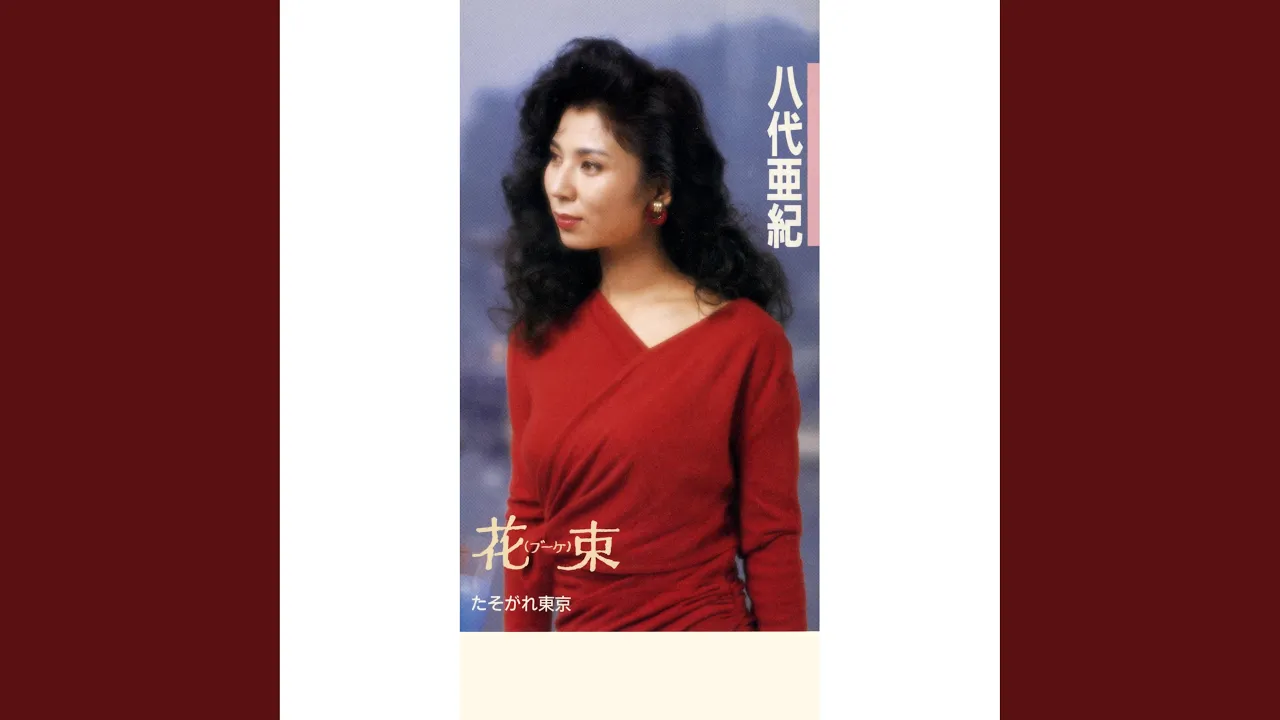
Bouquet of flowersYashiro Aki

Among Aki Yashiro’s songs, the one I especially recommend as easy to sing is “Hana (Bouquet) Taba.” This work isn’t enka, her usual battleground, but instead puts pop front and center throughout.
As pop, it feels somewhat like a song by Pedro & Capricious, perhaps? There are no kobushi (the challenging enka vocal ornament) at all, and there aren’t many long tones either, so as long as you have basic vocal ability, you can aim for a high score.
Definitely consider adding it to your repertoire.

Izakaya “Showa”Yashiro Aki

Aki Yashiro’s classic “Izakaya ‘Showa’” leaves a strikingly somber impression.
Yashiro is renowned for her ‘men’s songs,’ and among them, this piece is exceptionally rugged and refined.
True to enka style, there are solid kobushi (ornamental turns), but most of them shift only one or two scale degrees, so it shouldn’t feel difficult.
Rather than a clean vocal tone, this song benefits from a weathered, husky quality, so it’s recommended to sing it when your voice feels a bit worn.
Longing for RainYashiro Aki

Aki Yashiro’s classic “Ame no Bojo” (Yearning in the Rain).
It’s a memorable piece that makes the most of her distinctive husky voice, with a vocal line that stays restrained throughout.
There are no parts that call for belting; it’s the kind of song that’s meant to be sung with a subdued, weathered tone, so it doesn’t require powerful vocals like strong projection or shouts.
For one of her songs, it also features relatively few kobushi (ornamental vocal turns), making it comparatively easy to sing.
Consider adding it to your repertoire.
MU-JOYashiro Aki

MU-JO is a work distinguished by its passionate guitar intro.
Aki Yashiro is known for her diverse vocal style that incorporates jazz, blues, and chanson, but among those, this piece stands out for its soulful vocals.
In terms of genre, it’s like a blend of Showa-era kayōkyoku and rock, while the vocals exhibit characteristics of blues and soul.
Although the track has a strong, powerful feel, the overall vocal range is kept relatively narrow, and there are few long sustained notes.
Despite its intensity, the vocals themselves are rather straightforward, making it unquestionably an easy song to sing.
Lucky Man’s SongYashiro Aki

Aki Yashiro has left behind many classic songs, but among them, an unusually distinctive masterpiece that continues to be talked about is The Lucky Man Song.
This piece was released as the theme song for the popular anime Tottemo! Luckyman.
It’s fundamentally structured as a pop song, so it doesn’t have the difficulty of enka.
However, in the middle of the track there’s a section that pays homage to part of the famous song Funauta, which does require techniques like kobushi (ornamental vocal turns).
That said, the kobushi and vocal lines aren’t particularly difficult, so if you’re accustomed to singing enka or kayōkyoku, you should be able to handle it without any trouble.
Tearful LoveYashiro Aki

Aki Yashiro possesses a very unusual vocal quality for a singer.
Typically, as singers age, their lower register gains more heft, but in her case it was the opposite—she had a richer, deeper low range when she was younger.
One of the works released early in her career is Namida Koi.
Its slightly muffled, husky voice timbre leaves a strong impression, doesn’t it? As enka, this piece features relatively few kobushi ornaments and incorporates plenty of kayōkyoku (Japanese pop) elements, making it easy to sing even for those who aren’t fond of enka.
Shiranui Love TaleYashiro Aki

Speaking of Aki Yashiro, she’s known for her delicate vocals that make the most of her distinctive husky voice, but “Shiranui Jōwa” stands out in her catalog for its unusually powerful singing.
The defining feature of this piece is, above all, the opening line: it begins with clear enunciation and a strong vocal delivery, then unfolds into an emotionally rich performance as it moves toward the chorus.
Because the song emphasizes strength, there are fewer instances of kobushi—ornamental bends that require delicate control—so the overall difficulty is relatively low.