

Songs with titles that start with “Za.” Great for karaoke and shiritori!

When you hear about songs whose titles start with “za,” what kinds of tracks come to mind?
Because it begins with a voiced consonant, some people may find it hard to form a clear image from the word.
Many songs that start with “za” include characters like 「残」 (zan) or the word “the” in their titles, and often feature passionate tunes or songs with poignant messages.
In this article, we’ve picked out songs across a wide range of genres—rock, pop, and more—that start with “za.”
Be sure to check out these numbers you can use for karaoke or even in word-chain games.
- A compilation of Vocaloid songs with titles starting with “Za”
- Songs with titles that start with “Su.” A collection of tracks useful for shiritori.
- Summary of Vocaloid songs with titles starting with 'Ze'
- Useful for song-title shiritori! A collection of songs whose titles start with “ze.”
- Songs Men Want Women to Sing at Karaoke: Irresistible Tracks [2026]
- Summary of Vocaloid songs with titles starting with 'Ta'
- A roundup of songs whose titles start with 'Zu.' Handy for karaoke.
- What songs are there? A roundup of songs with titles that start with “Zo”
- [2026] Focus on the Lyrics! — Recommended Western Songs for Summer, Summer Anthems
- A collection of Vocaloid songs with titles starting with “Zu” (Japanese syllable ず)
- A collection of Vocaloid songs with titles that start with 'Zo'
- A roundup of songs with titles starting with “zu” (rare!)
- Songs with titles that start with “Sa”: a roundup you can use for shiritori or karaoke
Songs with titles starting with 'Za'. Also great for karaoke and shiritori! (41–50)
THE LAST SONGX JAPAN
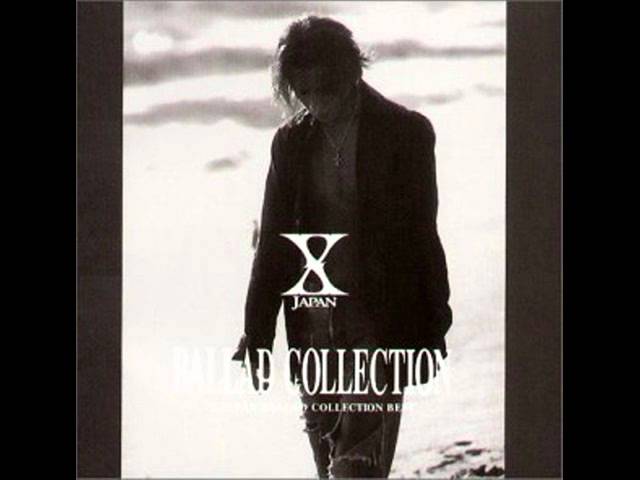
An epic symphonic ballad over 11 minutes long that epitomizes the band’s overwhelmingly dramatic history.
Crafted by YOSHIKI, the piece weaves delicate piano melodies with weighty orchestration, while Toshl’s vocals—like a cry from the soul—strike straight to the heart.
The lyrics, shifting between English and Japanese, seem to portray the unbearable pain and regret at the moment of parting, along with the protagonist’s self-questioning.
Although it was released in March 1998 as the band’s final single following their breakup, it was performed as the opening song at their reunion concert in March 2008—an element that deepens the song’s narrative quality.
It’s the perfect track for nights when you want to be swept away by the band’s harrowing journey and the maelstrom of emotions poured into it.
Songs with titles starting with “Za.” Also great for karaoke and shiritori! (51–60)
the Beat of LifeKubota Toshinobu

This work resonates in your chest with a bold, warm beat that traces the long road of life.
Its grounded, heavy rhythm—like firmly planting your feet on the earth—leaves a strong impression.
The rich vocals gently remind you that the charm of life lies in days that don’t go according to plan, and that even past struggles can transform into strength for the future.
Released in June 2024, the song was created as the commercial theme for CITIZEN’s 100th anniversary watch collection.
Its message, aligned with the theme “Layers of Time,” warmly envelops the listener’s heart.
It’s a track with a quiet, steadfast power—one that gives you a gentle push when you’re uncertain, or offers a breather on a quiet night.
the Fourth Avenue CaféL’Arc〜en〜Ciel

This is a song by L’Arc~en~Ciel set on an autumn street corner.
The buoyant horn section is wonderfully vibrant and pairs perfectly with the exhilarating, fast-paced band sound.
Yet, in contrast to its bright tone, the lyrics depict a poignant scene of a couple parting ways.
The worldview that overlays the changing seasons with hearts growing apart is truly heart-wrenching.
The track is included on the album “True” and was used as an ending theme for the TV anime Rurouni Kenshin.
It’s also a fan favorite that took first place in the band’s live “setlist request” poll.
The WolfKaku Kento
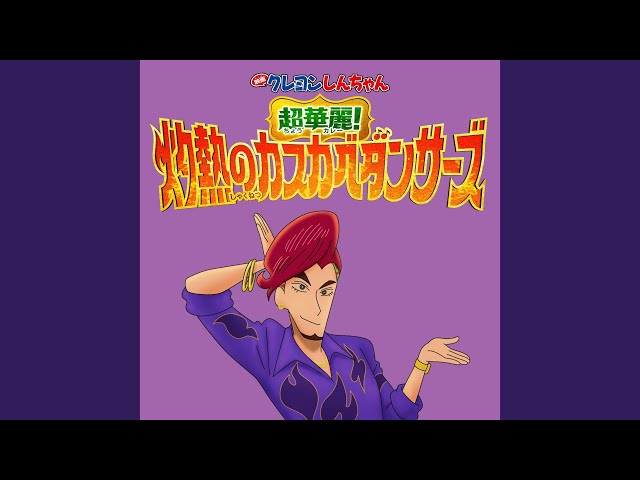
It’s a passionately energetic number performed under the character name voiced by actor Kento Kaku.
Featured as an insert song in the August 2025 release “Crayon Shin-chan the Movie: Super Glamorous! Scorching Kasukabe Dancers,” it added a dazzling touch to the story.
The unique production background—where the director personally penned the lyrics—radiates a deep affection for the work.
Blending Indian musical elements with rock and pop beats, the track brims with a charm that makes your heart and body want to dance.
Why not give it a listen when you want to relive the excitement of the film or boost your spirits?
The MoonFujihara Sakura

This number sung by singer-songwriter Sakura Fujiwara was written as the theme song for the theatrical anime Code Geass: Lelouch of the Rebellion II — Handou.
It was released digitally in February 2018 and later included on the mini-album “green,” which came out in June of the same year.
Its airy sound blends with her smoky, gentle vocals to draw you into its world.
The lyrics, portraying the conflict and sorrow of people who miss each other and end up hurting one another for the sake of their own sense of justice, seem to transcend the story itself and pose deep questions to our hearts.
It’s a sentimental track that makes you want to listen closely.
The Everlasting Guilty CrownEGOIST

A sound that fuses high-speed trance and rock and stirs the soul—this is an EGOIST track.
Released in March 2012 as the theme song for the second cour of the hugely popular anime Guilty Crown.
Carried by ryo’s exhilarating, fast-paced beats, chelly’s clear, crystalline vocals resound throughout.
The lyrics seem to convey the protagonist’s heartrending resolve: bearing the crown of sin and choosing to fight in solitude.
It’s a song that, when you listen at the moment your heart feels like it might break, can fill you with the courage to rise once more.
The Novemberistsutoreitenaa

It’s a masterpiece whose aching guitar riff and faintly melancholy sound resonate deep in your heart.
The world of lyrics penned in English seems to capture the seasonal shift from deepening autumn toward winter and the bittersweet feelings it brings, doesn’t it? You can almost see a quiet scene unfold before you—someone lost in thought as time gently slips by.
This track opens the album “Dear Deadman,” released in March 2006.
Rather than focusing only on the meaning of the words, it might be nice to simply surrender yourself to the atmosphere woven by Atsushi Horie’s vocals and the refined performance.
It’s a perfect piece for a night when you want to be alone with your thoughts.