

Useful for song-title shiritori! A collection of songs whose titles start with “ze.”

In a song title shiritori game, it’s your turn with “ze”! What song would you answer next? In this article, we introduce songs with titles that start with “ze,” which can be handy for games like song title shiritori.
Many titles that start with “ze” begin with words written in kanji such as “zero” (ゼロ), “zen” (全), or “zetsu” (絶).
We’ve gathered tracks from various genres, including theme songs from hugely popular anime and numbers by popular idols, so be sure to check them out!
- Summary of Vocaloid songs with titles starting with 'Ze'
- Songs that start with “se”. Use them as references for shiritori or choosing tracks for karaoke!
- Songs with titles that start with “Za.” Great for karaoke and shiritori!
- What songs are there? A roundup of songs with titles that start with “Zo”
- A roundup of songs whose titles start with 'Zu.' Handy for karaoke.
- Songs with titles that start with “Su.” A collection of tracks useful for shiritori.
- A compilation of Vocaloid songs with titles starting with “No”
- A compilation of Vocaloid songs with titles that start with “de”
- A compilation of Vocaloid songs with titles starting with “Za”
- Songs with titles that start with “Sa”: a roundup you can use for shiritori or karaoke
- A collection of Vocaloid songs with titles starting with “Zu” (Japanese syllable ず)
- A collection of Vocaloid songs with titles that start with 'Zo'
- Songs with titles that start with a number. Useful for karaoke or playlist selection.
Useful for song-title shiritori! A roundup of songs whose titles start with “Ze” (241–250)
Hold me all the wayKinKi Kids

This is the fourth single by KinKi Kids, released in 1998, with music by Takuro Yoshida and lyrics by Chinfa Kan, known for Touch and Zigzag Heart’s Lullaby.
Its upbeat folk style with a lively acoustic guitar rhythm makes it perfect for couples who want a bright ceremony.
The chorus lyrics are just right for a couple starting their journey through life side by side.
ZEROKis-my-ft2

A powerful song by Kis-My-Ft2 from Johnny & Associates, built around themes of self-affirmation and rebirth.
Released in 2018, it was chosen as the theme song for the drama “The Fate of People Who Are XX” starring Kento Senga, Toshiyuki Miyata, Wataru Yokoo, and Takashi Nikaido.
The song conveys courage and hope—believing in yourself and redrawing your future from zero, even after failures and setbacks.
With bright, straightforward lyrics, it underscores the importance of moving toward your dreams and hopes.
It’s the perfect track for anyone about to take a new step or needing the strength to believe in themselves.
Give it a listen!
There Is A Light That Never Goes OutThe Smiths

This is a track from The Smiths’ 1986 album The Queen Is Dead.
Hailing from the UK, the band had a major influence on British rock in the 1980s.
Morrissey’s distinctive vocals and Johnny Marr’s expressive guitar playing exude a beauty tinged with a mysterious allure.
Marigoldaimyon
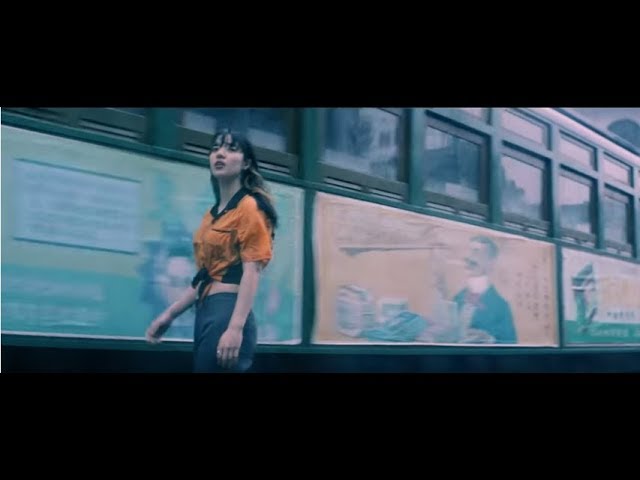
“Marigold” by Aimyon, a leading female singer of our time.
Its friendly, catchy melody makes it easy to adapt into a parody song.
Plus, the lyrics are easy to play with, which makes creating your own original words a breeze.
So, what is it that you won’t do? Let’s make a parody that’s true to you.
Despair BillyMakishimamu Za Horumon

A signature song by Maximum the Hormone, notable for its fierce shouts and thundering low end.
Featured on the album “Buiikikaesu,” released in March 2007, the track is characterized by lyrics that sharply depict social discontent and a sense of despair.
Its complex rhythms and heavy sound mesh perfectly, shaking the listener to the core.
Chosen as the second ending theme for the anime “DEATH NOTE,” it harmonizes superbly with the show’s worldview.
Incorporating elements of rap-metal/mixture rock, its distinctive musicality vividly expresses the feelings of young people living in modern society.
It’s the perfect track for blowing off steam or resetting your mood.
despairHisaishi Joe

Princess Kaguya is insulted during the play and falls into despair.
She feels as if humanity is hopelessly steeped in filth.
This piece suits that tumultuous scene perfectly.
The strongly attacked piano makes a huge impact, and the almost dissonant sounds heighten the sense of hopelessness.
The tempo itself is slow, but it never lets you feel at ease.
Jeju Air PortHanda Koji

Koji Handa appeared on TBS’s “Machikado TV 11:00,” which caught the attention of Daisaburo Nakayama, a lyricist and composer.
That same year, Handa became Nakayama’s live-in apprentice.
After four years of training, he made his debut with this song in 1988 under Teichiku Records.