

Heart-wrenching Japanese hit songs from the 2000s. Songs that make you cry.

In this article, we’ll introduce tear-jerking Japanese songs that were hits in the 2000s.
The Y2K culture, referring to the era around the year 2000, has been getting renewed attention in the Reiwa period and is creating a buzz.
The J-POP scene of the 2000s featured many classic ballads and emotionally powerful tracks that tug at the heartstrings.
We’ve picked a diverse lineup—from long-running hits and popular songs still sung today to hidden gems.
If you’re from that generation, we recommend reminiscing about those days as you take your time reading through the lyrics.
- [Tearjerker] Songs that make your heart tremble with tears & moving tracks with lyrics that touch the soul
- Breakup songs that were hits in the 2000s
- Ballad songs that were hits in the 2000s
- Tear-jerking J-pop from the ’90s. Hit songs and real tearjerkers.
- 2000s: A Collection of Hit Karaoke Classics
- Tears won’t stop with these sentimental lyrics! Heisei-era tearjerker songs
- Love songs that were hits in the 2000s. Classic and popular Japanese songs.
- [So touching it makes you cry] A heartbreakingly wistful and sad song that tightens your chest
- The nostalgic atmosphere tugs at your heartstrings. Tear-jerker songs from the Showa era.
- A melancholic “yami” song that was a hit in the 2000s. A bittersweet track.
- [Touching the Heart] Timeless Ballad Masterpieces. A Collection of Unfading Classics and the Latest Songs [2026]
- [Heisei Love Songs] A carefully selected collection of gem-like love songs that continue to be cherished even in the Reiwa era!
- All big hits! A roundup of classic J‑Pop songs that were popular in 2000
Tearjerker Japanese songs that were hits in the 2000s. Cry-worthy songs (1–10)
budKobukuro

Kobukuro is a musical duo who hit it off back when they were each doing street performances and began working together as a pair.
Their 14th single, Tsubomi, written as the theme song for the film Tokyo Tower: Mom and Me, and Sometimes Dad, is also known for having lyrics penned by member Kentaro Kobuchi in memory of his late mother.
The wistful intro, carried by clear, shimmering strings and acoustic guitar, alone conveys deep love and sorrow.
It’s a tear-jerking ballad that begs to be listened to while thinking of someone dear to you.

road; way; path; street; route; Tao (in philosophy)EXILE

Michi has long been a staple graduation song beloved by a wide range of generations.
Released by the dance and vocal group EXILE in 2007, it was also featured as the theme of the second night of the omnibus drama Sotsu Uta.
The gentle piano melody unfolding at a slow tempo and ATSUSHI’s tender vocals are sure to bring tears to your eyes.
Many listeners will relate to the lyrics that evoke various memories from school life.
It’s a bittersweet yet warm ballad that portrays the sadness of parting with dear friends or a loved one.
Why not listen to it while picturing the nostalgic scenes of those days?

I miss youHayashibe Satoshi
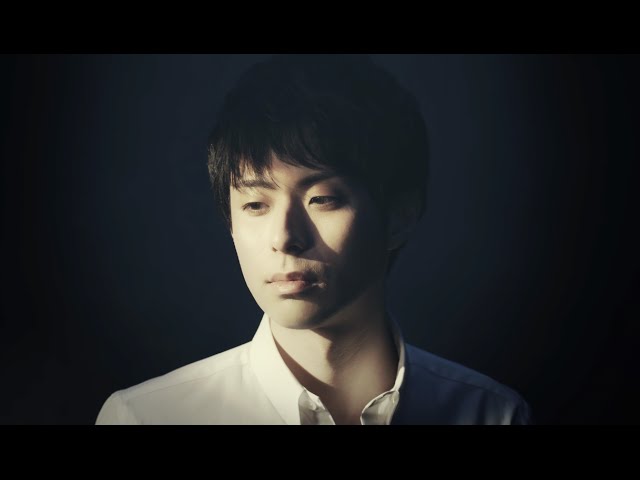
Toshifumi Hayashibe became an overnight star after appearing on a karaoke TV show.
Many of you probably cheered him on while watching back then.
His debut single is “Aitai.” It’s a ballad that expresses gratitude and love for someone you can no longer see, including those who have passed away.
The melody is gentle and highlights his crystal-clear voice.
By the way, there’s also a piano version with an even more restrained arrangement that I highly recommend.

Tear-jerker Japanese hit songs from the 2000s: Cry-worthy tracks (11–20)
Song of DepartureMr.Children

Mr.Children is a band that released numerous massive hits from the 1990s through the 2000s and continues to be supported by a wide audience today.
Tabidachi no Uta is a mid-tempo number released in 2007.
It’s a song about gently holding on to precious feelings as you move forward, and it gradually became familiar as a graduation song.
Not only students but also working adults will surely find themselves deeply relating to it.
The gentle lyrics depicting farewells and new beginnings, and the very last line of the chorus, sink in profoundly.
Listening to it when you’re anxious or during a season of departures may bring you to tears.
It’s a song that lets you believe in a future where you can smile together again.

To all living thingsMoriyama Naotaro

Singer-songwriter Naotaro Moriyama is widely known for the smash hit “Sakura (Dokusho)” and for songs with powerful messages that captivate fans and never let go.
His 5th single “To All Living Beings,” used as the theme song for the TV drama “Beloved You” and as an insert song in “Mr.
Kinpachi in Class 3B, Series 8,” features striking, philosophical lyrics sourced from the Kokin Wakashu.
The opening, which begins with a weighty choral arrangement, seems to link perfectly with its message depicting life and existence.
Cynical yet imbued with truth, it’s a masterpiece that blends simplicity with grandeur.
Close your eyesHirai Ken

Ken Hirai is a singer-songwriter who never lets listeners get bored, thanks to his distinctive edge voice and a diverse catalog of songs.
His 20th single, “Hitomi wo Tojite,” written as the theme song for the film Crying Out Love, in the Center of the World, became the first movie tie-in ever to top the Oricon year-end chart—a heartfelt ballad that made history.
Its heart-wrenchingly sentimental lyrics could move not only fans of the film but even those who haven’t seen it to tears.
With an emotional vocal performance that deepens the sense of longing, it stands as one of the defining hit tunes of the 2000s.
me me sheRADWIMPS

RADWIMPS is a rock band formed in 2001.
One of their early masterpieces that enjoys passionate support from fans is “me me she.” Sung from a man’s perspective, it portrays the sorrow of heartbreak and the lingering feelings of love even after a breakup.
The lyrics, which depict love in an incredibly straightforward and pure way, make a strong impact—you won’t forget them once you hear them.
By the way, the title is read “memeshii,” a play on the Japanese word meaning “effeminate” or “pathetically sentimental.”