

Heart-wrenching Japanese hit songs from the 2000s. Songs that make you cry.

In this article, we’ll introduce tear-jerking Japanese songs that were hits in the 2000s.
The Y2K culture, referring to the era around the year 2000, has been getting renewed attention in the Reiwa period and is creating a buzz.
The J-POP scene of the 2000s featured many classic ballads and emotionally powerful tracks that tug at the heartstrings.
We’ve picked a diverse lineup—from long-running hits and popular songs still sung today to hidden gems.
If you’re from that generation, we recommend reminiscing about those days as you take your time reading through the lyrics.
- [Tearjerker] Songs that make your heart tremble with tears & moving tracks with lyrics that touch the soul
- Breakup songs that were hits in the 2000s
- Ballad songs that were hits in the 2000s
- Tear-jerking J-pop from the ’90s. Hit songs and real tearjerkers.
- 2000s: A Collection of Hit Karaoke Classics
- Tears won’t stop with these sentimental lyrics! Heisei-era tearjerker songs
- Love songs that were hits in the 2000s. Classic and popular Japanese songs.
- [So touching it makes you cry] A heartbreakingly wistful and sad song that tightens your chest
- The nostalgic atmosphere tugs at your heartstrings. Tear-jerker songs from the Showa era.
- A melancholic “yami” song that was a hit in the 2000s. A bittersweet track.
- [Touching the Heart] Timeless Ballad Masterpieces. A Collection of Unfading Classics and the Latest Songs [2026]
- [Heisei Love Songs] A carefully selected collection of gem-like love songs that continue to be cherished even in the Reiwa era!
- All big hits! A roundup of classic J‑Pop songs that were popular in 2000
Tearjerker J-Pop hits from the 2000s: Songs that make you cry (21–30)
Goodbye, my beloved.Hana*Hana

Released in 2000, this song was used as the theme for the drama “Oyaji.” It is about the singer’s experience at age 16 of parting with a beloved grandfather, and its expression of that sense of loss in words that also resonate with heartbreak, together with the beautiful vocals, makes it all the more moving.
STARSNakajima Mika

With her one-of-a-kind presence and expressive power, singer Mika Nakashima made a striking debut both as an actress and a vocalist.
Released in November 2001, this debut single was used as the theme song for the TV drama “A Love Song Scarred with Wounds.” Nakashima herself appeared in the show as the heroine, and her performances in the drama left a powerful impression on viewers at the time.
With lyrics by Yasushi Akimoto, the song’s world—blending a strong will to seize one’s dreams with a bittersweet poignancy—combined with her deep, husky voice to stir listeners’ hearts.
Selling over 460,000 copies in total and winning the Best New Artist Award at the 44th Japan Record Awards, it is a gem of a ballad that can be called the very origin of her career.
Tearjerker Japanese hits from the 2000s: Songs that make you cry (31–40)
nape (of the neck)aiko

Released in 2003, this song surprises listeners by starting straight from the first verse.
True to aiko’s style, the lyrics are written from a woman’s perspective, making it a heartbreak song that brings tears to your eyes—one that resonates not only with women who are still hung up on the guy they loved after a breakup, but also with those who aren’t in that situation.
SakurazakaFukuyama Masaharu

Released in 2000, this is the theme song for a segment featured on the variety show “Untitled Un-Nan’s Truth!” It’s a song you want to listen to when cherry blossom season arrives.
The feelings of reflecting on a finished romance are very lonely and melancholy, making it a heartbreak song that evokes a poignant sense of longing.
dogwood (flowering dogwood)Hitoto Yo

A timeless ballad whose one-of-a-kind vocals by Yo Hitoto resonate like a deep prayer and seep into the heart.
It is said to have been written in the wake of the September 11 attacks, imbued with an earnest wish for peace.
Its universal theme—hoping that happiness will continue for a loved one and for those dear to them—gently envelops listeners’ hearts.
Released in February 2004 as her fifth single, it achieved an astonishing long-run hit, staying on the Oricon charts for 125 consecutive weeks.
It also served as the theme song for Nippon TV’s “Tuesday Suspense Theater” and for the film of the same name.
Many people may find themselves resonating with the heartfelt wish for someone precious to be happy.
planetariumOtsuka Ai

A heart-stirring ballad that projects the ache of love onto the stars in the night sky, this piece is marked by Ai Otsuka’s delicate vocals and lyrical piano.
Memories of a lover and the wistfulness of time gone by are woven into the beautiful imagery of starry skies and planetariums, resonating deeply with listeners.
Used as the theme song for the drama “Koi no Karasawagi” and included on the album “LOVE COOK,” it has continued to soothe many hearts since its release in September 2005.
It’s a song you’ll want to listen to while gazing up at the stars on a solitary night—recommended for those looking to heal the pain of heartbreak or to immerse themselves in cherished memories with someone special.
Things that have formShibasaki Kou
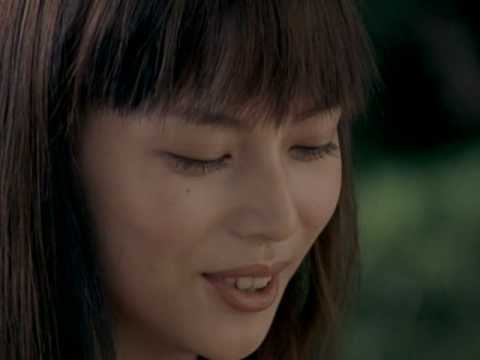
It seems to tell us that even if tangible things fade away, memories continue to shine forever in our hearts.
This is the sixth single by Kou Shibasaki, who is active both as an actress and a singer, and it was chosen as the theme song for the drama “Crying Out Love, in the Center of the World,” which aired in 2004 and became a social phenomenon.
The song portrays the strength and poignancy of thinking of someone you can no longer meet, transforming even sorrow into love.
Her voice, combining clarity and power, melds with the sweeping strings, and together with the drama’s worldview, it really tugs at the heartstrings.
When you are grieving the loss of someone dear, it gently stays by your side and kindles a warm light in your heart.