

Heart-wrenching Japanese hit songs from the 2000s. Songs that make you cry.

In this article, we’ll introduce tear-jerking Japanese songs that were hits in the 2000s.
The Y2K culture, referring to the era around the year 2000, has been getting renewed attention in the Reiwa period and is creating a buzz.
The J-POP scene of the 2000s featured many classic ballads and emotionally powerful tracks that tug at the heartstrings.
We’ve picked a diverse lineup—from long-running hits and popular songs still sung today to hidden gems.
If you’re from that generation, we recommend reminiscing about those days as you take your time reading through the lyrics.
- [Tearjerker] Songs that make your heart tremble with tears & moving tracks with lyrics that touch the soul
- Breakup songs that were hits in the 2000s
- Ballad songs that were hits in the 2000s
- Tear-jerking J-pop from the ’90s. Hit songs and real tearjerkers.
- 2000s: A Collection of Hit Karaoke Classics
- Tears won’t stop with these sentimental lyrics! Heisei-era tearjerker songs
- Love songs that were hits in the 2000s. Classic and popular Japanese songs.
- [So touching it makes you cry] A heartbreakingly wistful and sad song that tightens your chest
- The nostalgic atmosphere tugs at your heartstrings. Tear-jerker songs from the Showa era.
- A melancholic “yami” song that was a hit in the 2000s. A bittersweet track.
- [Touching the Heart] Timeless Ballad Masterpieces. A Collection of Unfading Classics and the Latest Songs [2026]
- [Heisei Love Songs] A carefully selected collection of gem-like love songs that continue to be cherished even in the Reiwa era!
- All big hits! A roundup of classic J‑Pop songs that were popular in 2000
Tearjerker Japanese songs that hit in the 2000s: Songs that make you cry (41–50)
You were…Hamasaki Ayumi

Ayumi Hamasaki has many heartbreak songs, and this track, released in 2009, is one of them.
Its straightforward lyrics spark the imagination, and because this direct emotion really grabs the heart, it’s a classic that enjoys especially strong support from her female fans.
A flower that blooms only hereKobukuro

This is Kobukuro’s 11th single, selected as the theme song for the Nippon TV drama “Ruri no Shima.” Released in May 2005, it reached No.
2 on the Oricon charts.
The members actually visited the Okinawan island where the drama is set, and created this work inspired by its atmosphere.
Even in a place that seems to have nothing, irreplaceable value is in bloom—this compassionate message is deeply moving.
Hearing the duo’s warm vocals may prompt many listeners to picture their hometown scenery and the smiles of their loved ones.
White LoversKuwata Keisuke

It is a lyrical ballad that depicts the bittersweet feelings of love in winter.
Released in October 2001, it is a work by Keisuke Kuwata themed around the winter season.
Rather than simply mourning a love that has passed, it also carries a sense of celebrating the memories of love, portraying warm emotions alongside scenes of a city blanketed in falling snow.
It was used as the theme song for Coca-Cola’s “No Reason” campaign commercial, and later featured in UNIQLO’s “LifeWear” commercial, earning affection from a wide audience.
It is a heartwarming song to listen to when you want to heal a heart hurt by love or reflect on cherished memories.
Flavor Of LifeUtada Hikaru

This is a masterpiece that delicately portrays the bittersweet pain of heartbreak and parting.
Released in February 2007, it’s a song by Hikaru Utada and served as the image song for the TBS drama “Boys Over Flowers 2 (Returns).” It beautifully expresses the many emotions brought on by saying goodbye to someone you love, with a memorable melody that resonates as if you can feel the very essence of love throughout your whole body.
The song topped the Oricon Weekly Singles Chart for three consecutive weeks and was also included on the album “HEART STATION.” It’s a track that resonates deeply during the poignant moments of love or when you’re feeling uncertain about a relationship with someone important.
RESISTANCENakajima Mika

This song was used as the theme for the omnibus drama “The Angels with Broken Wings.” Few things are as painful as a broken heart.
When you’re heartbroken, why not immerse yourself in Mika Nakashima’s uniquely shadowed world and have a good cry?
PromiseKōda Kumi
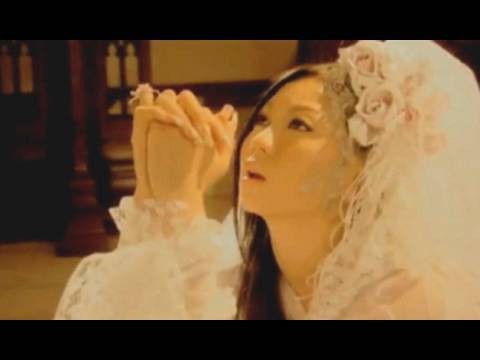
This song is the 18th single, released in 2005.
It condenses the two people’s story from their first meeting to their breakup into a single track, so it really resonates with those who’ve experienced heartbreak.
Her vocal performance is also captivating.
In conclusion
We featured tear-jerker J-pop hits from the 2000s! For those who grew up in that era, I hope it brought back memories, and for younger listeners, perhaps you recognized some familiar tunes or discovered something new. The 2000s J-pop scene left the impression of classic ballads and lyrically profound songs. I’d be happy if this helped you find a tearful song that resonates with your heart.