

Great enka masterpieces and hit songs of the 2000s

In the world of enka, there are many gem-like masterpieces that continue to shine across generations.
The 2000s, in particular, can be called a golden era where fresh energy blended with tradition.
Heartwarming, story-driven songs like “Futari-gasa,” as well as buzzworthy hits that stirred up the Oricon charts thanks to newcomers like Kiyoshi Hikawa, gave rise to a wide array of classics.
Shall we let our hearts wander together into the world of 2000s enka, where nostalgia and novelty coexist?
- A roundup of hit enka songs from the Heisei era
- Debut songs of enka singers in the 2000s
- 2000s: A Collection of Hit Karaoke Classics
- Cool masterpieces of enka, the heart of Japan
- Great enka masterpieces and hit songs of the 1990s
- A roundup of male enka singers in their 80s: veterans who left their mark on the enka world
- Great enka masterpieces and hit songs of the 1970s
- Enka Singer Popularity Ranking in Karaoke [2026]
- Kaori Kozai Popular Song Rankings [2026]
- Women’s Enka: A collection of classic enka songs expressing women’s emotions
- All big hits! A roundup of classic J‑Pop songs that were popular in 2000
- [Enka First Year] A Collection of Easy-to-Sing Songs by Yoko Nagayama [2026]
- Classic enka songs you’ll want to sing at karaoke: recommended popular tracks
Great enka masterpieces and hit songs of the 2000s (21–30)
Northern snow bugKimu Yonja

This is a song released by Kim Yonja in 2002.
In Hokkaido, before the first snowfall, countless tiny white “snow bugs” fly all around town.
They are also known as “snow fairies” and “messengers of snow,” and the song portrays the poignant feelings of a woman.
It sold over 150,000 copies and has become one of Kim Yonja’s signature songs of the 2000s.
one-way ticketKitayama Takeshi
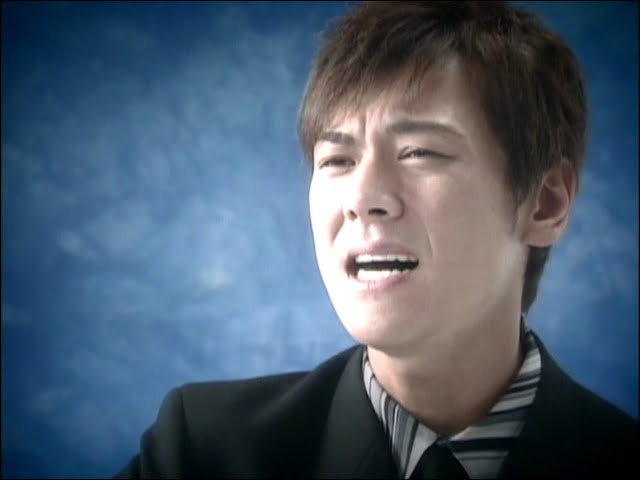
A deeply moving song that portrays a solitary departure, undertaken with the resolve never to return.
Written and composed by Joji Hara, his powerful yet gentle voice richly conveys both the determination to face a harsh journey and the quiet nostalgia held within.
Released in April 2004 as a debut single, the track achieved the remarkable feat of reaching No.
20 on the Oricon overall chart—at the time, the highest ranking ever for a solo debut by an enka singer.
This solid first step paved the way for later successes, including the acclaimed album “Ippo” (One Step) and “Yume Ichizu,” which was selected as the theme song for the TV drama “Suronin Tsukikage Hyogo.” It is a song that will resonate deeply with anyone standing at a crossroads, ready to venture onto a new path.
Great Enka Masterpieces and Hit Songs of the 2000s (31–40)
Oga PeninsulaKitayama Takeshi
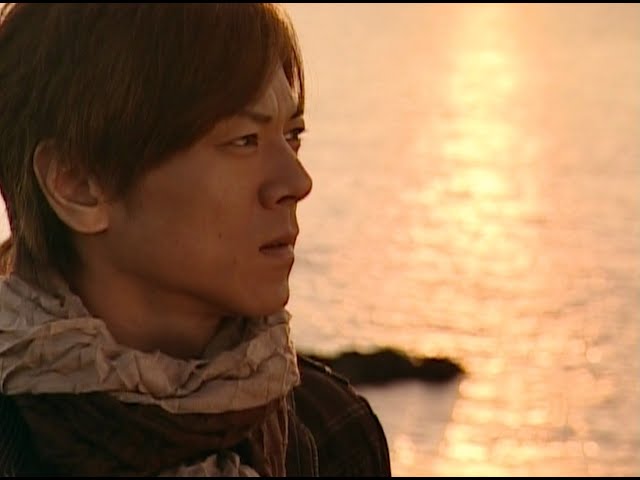
Set against the majestic nature of Akita Prefecture, this is one of Takeshi Kitayama’s signature songs, powerfully singing of a man’s romance and resolve.
It portrays a protagonist who, even without words, burns with a hidden passion, facing harsh nature head-on while keeping his eyes fixed on the future.
With lyrics that vividly paint the scene and a grand, expansive melody that moves the listener, it is a quintessential example of classic enka.
Released as a single in August 2007, Kitayama performed it passionately on that year’s NHK Kōhaku Uta Gassen.
The coupling track Yume Ichizu is also known for being chosen as the theme song for the TV Asahi period drama Ronin Tsukikage Hyōgo.
This work will likely resonate with those attempting a new challenge or quietly nurturing a fighting spirit in solitude.
Kinokawa (Kii River)Sakamoto Fuyumi

Set against a river flowing through Fuyumi Sakamoto’s hometown of Wakayama, this song is an epic, story-driven piece that portrays the bond passed down from mother to daughter to grandchild across three generations.
Released in March 2008, it serves as the concluding installment of the “Masterpiece Series,” based on Sawako Ariyoshi’s novels, and was also used as the ending theme for TBS’s “Kaiun Ongakudo.” Its universal theme— a mother’s deep love, single-mindedly praying for her child’s happiness, intertwining with the eternal flow of a river—resonates powerfully with listeners.
The fact that Sakamoto was appointed a “Hometown Ambassador” for Wakayama Prefecture in November of the same year further conveys the work’s heartfelt connection to her roots.
It is a song to hear when you want to be reminded of family bonds or to reflect on your hometown; its warm vocals will gently permeate the heart.
Captain SlowpokeŌe Yutaka
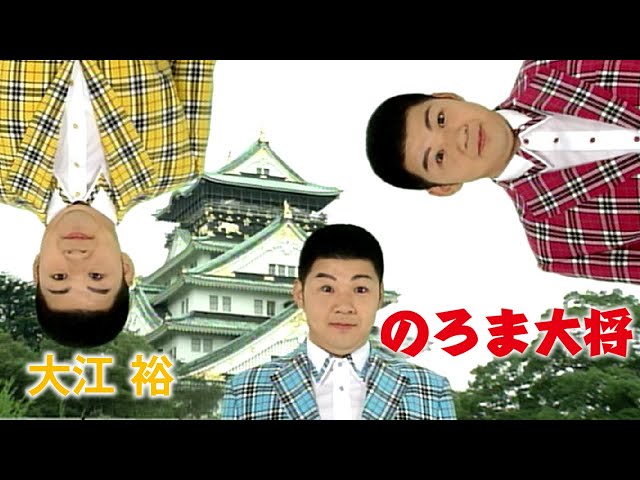
An uplifting anthem that defined the 2000s, stirring the heart with its portrait of someone single-mindedly pursuing their dream despite being clumsy.
Released in February 2009 as Hiroshi Oe’s debut single, it was selected as the ending theme for TBS’s variety show “Sanma no Super Karakuri TV,” and, together with his distinctive personality, became widely beloved by audiences at home.
It tells the story of a protagonist who keeps moving forward step by step, holding a strong resolve to one day become a big name, even if people around him laugh.
Created by his mentor Saburo Kitajima under the pen name Jōji Hara, the song is also included on Oe’s first album, “Enka Taisho • Hiroshi Oe — Nihon Rettō Uta Hikyaku I.” Hiroshi Oe’s passionate vocals convey that pure sentiment straight and true, as if gently giving listeners a push forward.
A Woman’s Life: Flowers of Sweatkawanaka miyuki

A heartwarming life-affirming song that sings of gratitude to a devoted mother and the deep love from her daughter.
Lyricist Osamu Yoshioka portrays a mother who toiled through daily life, overcoming any hardship with a smile.
That scene overlaps with Miyuki Kawanaka’s loving, compassionate voice, deeply resonating in the hearts of listeners.
The single was released in May 2003 to coincide with the Mother’s Day season.
It was later included on best-of albums such as the classic “Miyuki Kawanaka Daizenshū” and continues to be beloved by many.
Doesn’t it make you feel the beauty of those who live earnestly and give you strength to face tomorrow? Let it be an opportunity to express the gratitude you can’t usually put into words to someone important to you.
Farewell, shadow of youthMori Shinichi

This is a gem of “melancholic pop” whose poetic worldview, woven by ZARD’s Izumi Sakai, strikes straight to the heart.
Released in November 2004 as Shinichi Mori’s 109th single, the song features music by Aika Ohno, creating a sound that clearly sets it apart from traditional enka.
Nostalgia for a youth that has passed and a resolve to walk into the future without clear answers seep deeply into the soul through Mori’s richly expressive vocals.
It was performed at the 55th NHK Kohaku Uta Gassen, etching itself into many people’s memories.
If you listen to it in those moments when you pause in the journey of life and look back on the past, you may find yourself wrapped in a feeling that is both achingly sad and warmly comforting.