

Great enka masterpieces and hit songs of the 2000s

In the world of enka, there are many gem-like masterpieces that continue to shine across generations.
The 2000s, in particular, can be called a golden era where fresh energy blended with tradition.
Heartwarming, story-driven songs like “Futari-gasa,” as well as buzzworthy hits that stirred up the Oricon charts thanks to newcomers like Kiyoshi Hikawa, gave rise to a wide array of classics.
Shall we let our hearts wander together into the world of 2000s enka, where nostalgia and novelty coexist?
- A roundup of hit enka songs from the Heisei era
- Debut songs of enka singers in the 2000s
- 2000s: A Collection of Hit Karaoke Classics
- Cool masterpieces of enka, the heart of Japan
- Great enka masterpieces and hit songs of the 1990s
- A roundup of male enka singers in their 80s: veterans who left their mark on the enka world
- Great enka masterpieces and hit songs of the 1970s
- Enka Singer Popularity Ranking in Karaoke [2026]
- Kaori Kozai Popular Song Rankings [2026]
- Women’s Enka: A collection of classic enka songs expressing women’s emotions
- All big hits! A roundup of classic J‑Pop songs that were popular in 2000
- [Enka First Year] A Collection of Easy-to-Sing Songs by Yoko Nagayama [2026]
- Classic enka songs you’ll want to sing at karaoke: recommended popular tracks
Great Enka Masterpieces and Hit Songs of the 2000s (31–40)
North GobanchoHosokawa Takashi

Set in a snowy northern town, this is a compassionate song by Takashi Hosokawa that portrays the longing for company and the warmth of human connection.
It paints, with Hosokawa’s powerful yet sultry voice, the feelings that deepen on a freezing night and the festive scenes of friends cheerfully making a racket as they talk about their dreams.
Blending the spirit of traditional enka with a modern, urban arrangement, the song offers a charming mix of nostalgia and sophistication.
Released as a single in August 2001, it marks yet another collaboration with composer Tetsuya Gen, with whom Hosokawa has produced many classics, including Koi no Sake.
The track is also included on the album Takashi Hosokawa Zenkyokushū / Kita no Gobanchō.
Listen to it on a long winter’s night as you reminisce about the past or chat the night away with close friends, and you’ll surely feel a warm light kindle in your heart.
Winter Love FlowerHanasaki Yukimi
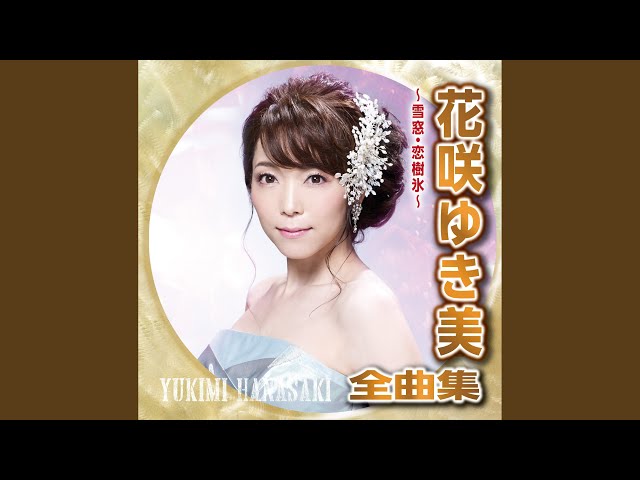
Set against the frozen winters of the northern provinces, this is Yukimi Hanasaki’s fourth single, a richly emotive song that poignantly gives voice to the longing for a lover she cannot meet.
Vivid scenes—like a train racing through the darkness and a harbor echoing with foghorns—spring to mind, heightening the tragic drama of the love story.
Released in December 2009, the track became a long-running hit, staying on the Oricon charts for 19 weeks.
It was later included on the acclaimed album “Zenkokushū: Fuyukoi-bana / Fuyu no Hotaru.” Through Hanasaki’s powerful vocals, you can feel the protagonist’s steadfast resolve as she likens herself to a flower determined to bloom in the harshest conditions.
It’s a song that may draw you deep into its world on nights when you want to dwell on a helpless, aching love.
The Northernmost RouteKouzai Kaori

This signature song by Kaori Kozai portrays a woman’s heart as she overcomes the pain of a broken heart and vows to start anew on a ship bound for the north.
The piece embodies both the profound sorrow that turns love into resentment and the iron resolve to cast off the past and never look back.
Blended with Kozai’s emotionally rich vocals, it strangely yet powerfully conveys the strength of a woman determined to rise from the brink of despair.
Released in March 2006 as her commemorative 20th-anniversary single, it became a long-running hit that remained on the Oricon charts for 52 weeks and was performed on that year’s NHK Kōhaku Uta Gassen.
It was later included on the album “20th Anniversary Kaori Kozai Single Collection.” The song will deeply resonate with anyone resolved to make a fresh start in life.
mountains and riversItsuki Hiroshi

This is a single by Hiroshi Itsuki released in 2000, with lyrics by Kei Ogura and music composed by Takao Horiuchi.
The song likens life to mountains and rivers, and both Ogura and Horiuchi later released self-cover versions.
It is one of Hiroshi Itsuki’s popular songs, which he performed as the White Team’s final act—and the overall finale—at the 51st NHK Kōhaku Uta Gassen in 2000.
DreamYoshi Ikuzo

It was released in 2002 as Ikuzo Yoshi’s 47th single.
The song was used in a commercial for Shin Nihon House, a renovation company headquartered in Koshigaya City, Saitama Prefecture.
It became a topic of conversation for having an English title, which is unusual for enka.
The lyrics and music were written by Ikuzo Yoshi himself, and it’s a bright song that goes well with handclaps.
Great Enka Masterpieces and Hit Songs of the 2000s (41–50)
to liveYamamoto Jōji

Released in 2003 as Jōji Yamamoto’s 52nd single.
It’s a song about a man discovering the meaning and weight of life, with lyrics written by Tetsurō Hoshino.
Filled with gratitude toward God and the parents who gave him life, the track features Yamamoto’s heartfelt vocals that inspire the strength to live.
Mount TsurugiKitayama Takeshi

It was released in 2009 as Takeshi Kitayama’s eighth single.
“Tsurugisan” is the highest peak in Tokushima Prefecture, selected as one of Japan’s 100 Famous Mountains, and serves as a symbol of the prefecture.
Loved as a local song of the Chugoku and Shikoku regions, this song was also performed at the 60th NHK Kohaku Uta Gassen.
It reached No.
16 on the Oricon chart.