


A roundup of hit enka songs from the Heisei era

When it comes to beloved enka classics, many were released during the Showa era, especially as nighttime releases, but the Heisei era also produced plenty of hit songs.
In this article, we’ll introduce a wide range of enka hits from the Heisei period all at once!
We’ve gathered songs by artists of all genders and generations.
Every track here was a major hit, so even if you’re not well-versed in enka, you’ll likely recognize many of these songs.
Alright, let’s dive in and listen to some Heisei-era enka masterpieces!
[Heisei] Compilation of Hit Enka Songs (1–10)
grandchildŌizumi Itsurō
Itsuro Oizumi captured the hearts of many with his song “Mago” (“Grandchild”), which expresses deep affection for a grandchild.
Released in 1999, the song has both a boy’s version and a girl’s version, and centers on the bond between grandparents and grandchildren.
The lyrics convey a grandfather’s feelings toward his grandchild, told from his perspective.
Particularly moving are the parts that depict unconditional love and support for the growing child, which truly resonate with listeners.
It’s especially recommended when you want to reaffirm the importance of family or feel love that spans generations.
Oizumi’s warm vocals and gentle melody are sure to leave a deep impression on anyone who listens.
Freeze my heartTakayama Iwao

Kiyoshi Takayama’s “Kokoro Koorasete,” released in 1992, left a significant mark on the enka scene of the Heisei era.
The song was chosen as the theme for the NTV morning serial drama “Shugyoku no Onna,” becoming a hit beloved by a wide range of generations.
Its appeal lies in lyrics that delve deeply into the complexities of relationships with the ones we love.
The pain and inner conflict that lurk within love, as well as the strong will to hold on to it despite everything, resonate profoundly with listeners.
Takayama’s powerful vocals further heighten the song’s emotional impact.
“Kokoro Koorasete” offers empathy and encouragement to those trying to overcome heartbreak and the complexities of love.
It is highly recommended for those who enjoy moving narratives and seek songs that speak to the heart.
Anemone flaccida (nirinsō; literally “two-flowered anemone”)kawanaka miyuki
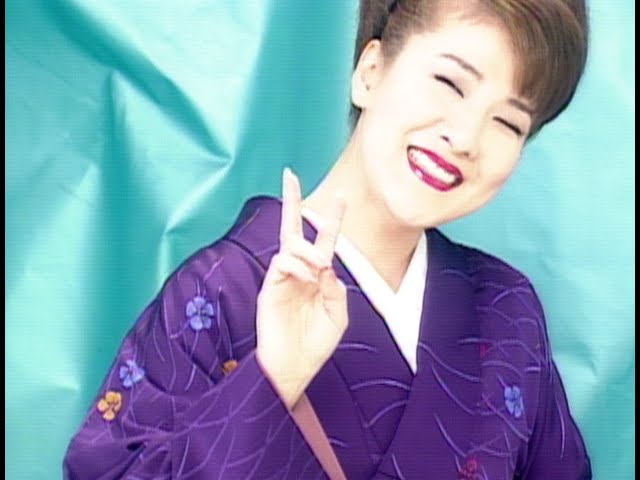
Since her debut in 1973, Miyuki Kawanaka has been active on the front lines of the enka world.
In particular, her single “Nirinsō,” released on January 1, 1998, is one of her signature works.
The song sold over one million copies and became such a smash hit that it won the Most Requested Award on that year’s cable request rankings.
The appeal of “Nirinsō” lies in its lyrics, which center on the deep bond between a married couple.
Depicting a couple who, even after a quarrel, fall asleep back-to-back, the song warms the listener’s heart.
Its relaxed tempo and Kawanaka’s clear, pure vocals further highlight its charm.
For those who have a special someone with whom they are growing through the years—or those who aspire to such a relationship—this is a track that resonates and offers encouragement.
Like the flow of a riverMisora Hibari

Hibari Misora’s “Like the Flow of a River” is an imperishable masterpiece in the world of Japanese popular music.
Since its release on January 11, 1989, it has been cherished for many years for its resonant message and beautiful melody.
The song presents a grand theme that likens life’s journey to the flow of a river, offering listeners much to ponder.
The serene outlook on life that Misora expresses—living by entrusting oneself to the flow—brings a sense of peace to those who hear it.
This is a song I can recommend to anyone, and it is especially likely to offer new hope and comfort at life’s turning points or times of change.
mandarin duckItsuki Hiroshi

Hiroshi Itsuki’s “Oshidori” is a heartwarming song released in 1991.
With delicate lyrics by Masao Ishizaka and a beautiful melody composed by Tetsuya Gen, it vividly portrays the deep bond and love between a married couple.
The song tells the story of spouses who have overcome life’s ups and downs together, kindling a warm light in the listener’s heart.
It is especially recommended for couples who have faced hardships and for anyone who believes in true love.
Hiroshi Itsuki’s powerful vocals bring comfort and courage to every moment.
marine snowjero

Released by Jero, who debuted in 2008, the single “Umiyuki” preserves the traditions of enka while breathing new life into the genre.
Though American-born, he cherishes Japanese enka, and his passion and talent have earned him numerous awards.
“Umiyuki” portrays a heartrending love story set against the wintery Sea of Japan; its lyrics depict a fervent longing for a loved one and the vanishing “sea snow” as a symbol of love that cannot reach its destination.
Jero’s gentle yet powerful voice harmonizes beautifully with the song’s atmosphere, deeply moving listeners.
It is a piece that invites you to imagine a poignant, beautiful winter scene—perfect for the cold season.
It can also be said to be a wonderful work that conveys the beauty of Japan to overseas fans.
Fleeting LoveKouzai Kaori

Since her debut in 1988, Kaori Kozai has remained at the forefront of the enka music scene, captivating many fans with her rich expressiveness and emotionally resonant voice.
Released on March 25, 1991, the single “Nagare Gusa” is one of the most significant works in her career.
The song peaked at No.
14 on the Oricon charts and became a major hit with sales exceeding 800,000 copies.
Her talent was widely recognized, earning the Gold Disc Award at both the 24th Japan Cable Awards and the 33rd Japan Record Awards.
“Nagare Gusa” delicately portrays the ache of unrequited love, with Kozai’s vocals striking a deep chord in listeners’ hearts.
Especially on nights when you feel lonely or forlorn, listening to this song may bring a sense of empathy and comfort.
It’s a track I recommend not only to Kaori Kozai’s fans but also to those who don’t usually listen to enka.