

A roundup of hit enka songs from the Heisei era

When it comes to beloved enka classics, many were released during the Showa era, especially as nighttime releases, but the Heisei era also produced plenty of hit songs.
In this article, we’ll introduce a wide range of enka hits from the Heisei period all at once!
We’ve gathered songs by artists of all genders and generations.
Every track here was a major hit, so even if you’re not well-versed in enka, you’ll likely recognize many of these songs.
Alright, let’s dive in and listen to some Heisei-era enka masterpieces!
- Great enka masterpieces and hit songs of the 2000s
- [Showa Era] A Collection of Enka Hits: Timeless Classics Loved Across Generations
- Classic enka songs you’ll want to sing at karaoke: recommended popular tracks
- Great enka masterpieces and hit songs of the 1990s
- Songs We Want to Listen to and Sing! Masterpieces and Popular Hits of Reiwa-era Enka
- Cool masterpieces of enka, the heart of Japan
- A collection of nostalgic hits from the Heisei era: Let’s look back at iconic songs from the 1990s and 2000s.
- [2026] Easy Enka Songs for Karaoke: Recommended Picks — Women Singers Edition
- A roundup of leading female enka singers representing the Showa era
- [2026] Easy-to-Sing Enka: From Timeless Classics to Recent Hits [Male Singers Edition]
- [May 2026] Latest Enka and Kayōkyoku roundup. Check out the buzzworthy new songs!
- [2026] Representative Famous Enka Songs: A Compilation of Classic Favorites [Beginner-Friendly]
- Heisei-era masterpieces. Hit songs that represent the Heisei period.
[Heisei Era] Compilation of Enka Hit Songs (21–30)
Around the season of urizun (the early springtime in Okinawa, literally “the time when melons begin to grow”)Sakamoto Fuyumi

This is a famous song by Fuyumi Sakamoto whose title evokes the early summer of Okinawa and resonates deeply.
It portrays the poignant feelings of a protagonist who, heartbroken in love and dreams and weary of city life, remembers the warm southern breeze and beautiful sea of their hometown.
Carried by the sound of the sanshin, Sakamoto’s rich, lustrous vocals gently seep into the listener’s heart.
Originally included on her 2001 album “Fuyumi Renaissance,” the track was released as a single in September 2002 after topping a fan poll, timed with the 30th anniversary of Okinawa’s reversion to Japan.
It was also used as the theme for the weather forecast on Okinawa TV, suggesting how widely it was cherished.
It’s a warm song that offers comfort to those striving far from home.
I’m falling in love with you againSakamoto Fuyumi

This is a famous song by Fuyumi Sakamoto that portrays how love for a longtime partner deepens over time and blooms anew.
Even the scars born of youthful folly turn into cherished memories as the two share their days together.
Those warm feelings soak into the heart, carried by a gentle melody.
The song was released in January 2009 as the B-side to the single “Asia no Kaizoku,” and was later included on the acclaimed album “Love Songs ~ Mata Kimi ni Koishiteru ~.” It also gained widespread recognition as the theme song for Sanwa Shurui’s barley shochu “iichiko,” and in 2010 it reached No.
3 on the Oricon weekly chart.
Why not listen when you want to reflect anew on the preciousness of the days you spend with someone dear?
Captain SlowpokeŌe Yutaka
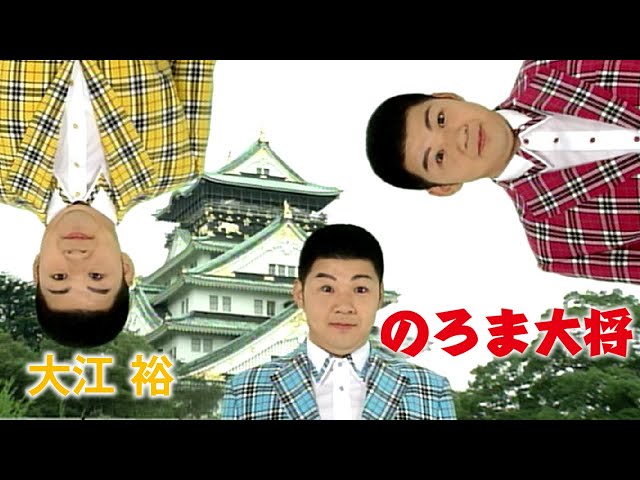
An uplifting anthem that defined the 2000s, stirring the heart with its portrait of someone single-mindedly pursuing their dream despite being clumsy.
Released in February 2009 as Hiroshi Oe’s debut single, it was selected as the ending theme for TBS’s variety show “Sanma no Super Karakuri TV,” and, together with his distinctive personality, became widely beloved by audiences at home.
It tells the story of a protagonist who keeps moving forward step by step, holding a strong resolve to one day become a big name, even if people around him laugh.
Created by his mentor Saburo Kitajima under the pen name Jōji Hara, the song is also included on Oe’s first album, “Enka Taisho • Hiroshi Oe — Nihon Rettō Uta Hikyaku I.” Hiroshi Oe’s passionate vocals convey that pure sentiment straight and true, as if gently giving listeners a push forward.
As long as life lastsTendō Yoshimi

This work can truly be called the pinnacle of “life enka,” a song that celebrates the strength to overcome life’s joys and sorrows.
Released by Yoshimi Tendo in January 2006, the track spent 38 weeks on the Oricon charts and captured the hearts of many.
The determined resolve to live for a loved one and the single-minded pursuit of dreams supported by a mother’s words unfold like a sweeping epic.
Tendo’s deep, warmly enveloping voice brings a dramatic richness to the lyrics’ world.
When you find yourself at a crossroads in life or in need of the strength to look forward once more, this song may gently nudge you onward.
A Woman’s Life: Flowers of Sweatkawanaka miyuki

A heartwarming life-affirming song that sings of gratitude to a devoted mother and the deep love from her daughter.
Lyricist Osamu Yoshioka portrays a mother who toiled through daily life, overcoming any hardship with a smile.
That scene overlaps with Miyuki Kawanaka’s loving, compassionate voice, deeply resonating in the hearts of listeners.
The single was released in May 2003 to coincide with the Mother’s Day season.
It was later included on best-of albums such as the classic “Miyuki Kawanaka Daizenshū” and continues to be beloved by many.
Doesn’t it make you feel the beauty of those who live earnestly and give you strength to face tomorrow? Let it be an opportunity to express the gratitude you can’t usually put into words to someone important to you.
Farewell, shadow of youthMori Shinichi

This is a gem of “melancholic pop” whose poetic worldview, woven by ZARD’s Izumi Sakai, strikes straight to the heart.
Released in November 2004 as Shinichi Mori’s 109th single, the song features music by Aika Ohno, creating a sound that clearly sets it apart from traditional enka.
Nostalgia for a youth that has passed and a resolve to walk into the future without clear answers seep deeply into the soul through Mori’s richly expressive vocals.
It was performed at the 55th NHK Kohaku Uta Gassen, etching itself into many people’s memories.
If you listen to it in those moments when you pause in the journey of life and look back on the past, you may find yourself wrapped in a feeling that is both achingly sad and warmly comforting.
North GobanchoHosokawa Takashi

Set in a snowy northern town, this is a compassionate song by Takashi Hosokawa that portrays the longing for company and the warmth of human connection.
It paints, with Hosokawa’s powerful yet sultry voice, the feelings that deepen on a freezing night and the festive scenes of friends cheerfully making a racket as they talk about their dreams.
Blending the spirit of traditional enka with a modern, urban arrangement, the song offers a charming mix of nostalgia and sophistication.
Released as a single in August 2001, it marks yet another collaboration with composer Tetsuya Gen, with whom Hosokawa has produced many classics, including Koi no Sake.
The track is also included on the album Takashi Hosokawa Zenkyokushū / Kita no Gobanchō.
Listen to it on a long winter’s night as you reminisce about the past or chat the night away with close friends, and you’ll surely feel a warm light kindle in your heart.