

A roundup of hit enka songs from the Heisei era

When it comes to beloved enka classics, many were released during the Showa era, especially as nighttime releases, but the Heisei era also produced plenty of hit songs.
In this article, we’ll introduce a wide range of enka hits from the Heisei period all at once!
We’ve gathered songs by artists of all genders and generations.
Every track here was a major hit, so even if you’re not well-versed in enka, you’ll likely recognize many of these songs.
Alright, let’s dive in and listen to some Heisei-era enka masterpieces!
- Great enka masterpieces and hit songs of the 2000s
- [Showa Era] A Collection of Enka Hits: Timeless Classics Loved Across Generations
- Classic enka songs you’ll want to sing at karaoke: recommended popular tracks
- Great enka masterpieces and hit songs of the 1990s
- Songs We Want to Listen to and Sing! Masterpieces and Popular Hits of Reiwa-era Enka
- Cool masterpieces of enka, the heart of Japan
- A collection of nostalgic hits from the Heisei era: Let’s look back at iconic songs from the 1990s and 2000s.
- [2026] Easy Enka Songs for Karaoke: Recommended Picks — Women Singers Edition
- A roundup of leading female enka singers representing the Showa era
- [2026] Easy-to-Sing Enka: From Timeless Classics to Recent Hits [Male Singers Edition]
- [May 2026] Latest Enka and Kayōkyoku roundup. Check out the buzzworthy new songs!
- [2026] Representative Famous Enka Songs: A Compilation of Classic Favorites [Beginner-Friendly]
- Heisei-era masterpieces. Hit songs that represent the Heisei period.
[Heisei Era] Compilation of Enka Hit Songs (21–30)
Winter Love FlowerHanasaki Yukimi
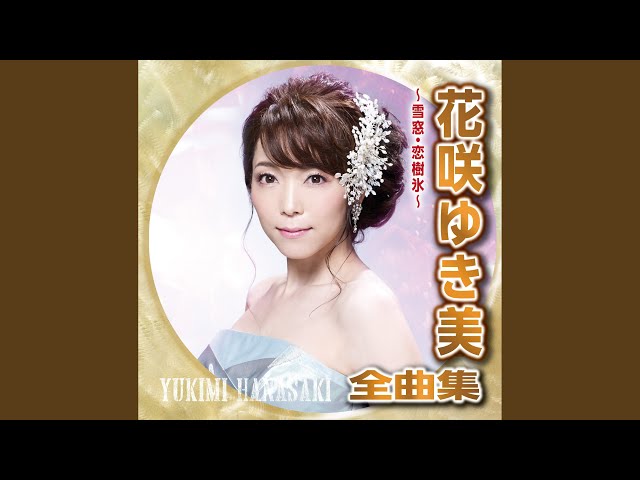
Set against the frozen winters of the northern provinces, this is Yukimi Hanasaki’s fourth single, a richly emotive song that poignantly gives voice to the longing for a lover she cannot meet.
Vivid scenes—like a train racing through the darkness and a harbor echoing with foghorns—spring to mind, heightening the tragic drama of the love story.
Released in December 2009, the track became a long-running hit, staying on the Oricon charts for 19 weeks.
It was later included on the acclaimed album “Zenkokushū: Fuyukoi-bana / Fuyu no Hotaru.” Through Hanasaki’s powerful vocals, you can feel the protagonist’s steadfast resolve as she likens herself to a flower determined to bloom in the harshest conditions.
It’s a song that may draw you deep into its world on nights when you want to dwell on a helpless, aching love.
Two FlowersFuji Ayako

This is a single by Ayako Fuji, released in August 2000.
Many listeners were likely moved by the earnest figure of a woman who dedicates herself to the one she loves, supporting him with a smile even in hard times.
The song is a classic number created by a leading enka duo: lyricist Yasuteru Miura and composer Hideo Mizumori.
At the 51st NHK Kohaku Uta Gassen that year, it was performed as the eighth act for the Red Team in a duet with Joji Yamamoto, gracing the stage with brilliance.
Listening to it while quietly reflecting on the journey you and your longtime partner have walked together may fill you with gratitude for one another.
It’s a masterpiece that reminds us of the happiness found in everyday life and the warmth of an unwavering bond.
[Heisei] Compilation of Hit Enka Songs (31–40)
The Northernmost RouteKouzai Kaori

This signature song by Kaori Kozai portrays a woman’s heart as she overcomes the pain of a broken heart and vows to start anew on a ship bound for the north.
The piece embodies both the profound sorrow that turns love into resentment and the iron resolve to cast off the past and never look back.
Blended with Kozai’s emotionally rich vocals, it strangely yet powerfully conveys the strength of a woman determined to rise from the brink of despair.
Released in March 2006 as her commemorative 20th-anniversary single, it became a long-running hit that remained on the Oricon charts for 52 weeks and was performed on that year’s NHK Kōhaku Uta Gassen.
It was later included on the album “20th Anniversary Kaori Kozai Single Collection.” The song will deeply resonate with anyone resolved to make a fresh start in life.
In conclusion
We have introduced a comprehensive selection of hit enka songs released during the Heisei era. Some of them sold over a million copies, so even those not familiar with enka likely recognized many of the titles. Take this opportunity to listen to these Heisei-era enka masterpieces and savor their charm.