

A roundup of hit enka songs from the Heisei era

When it comes to beloved enka classics, many were released during the Showa era, especially as nighttime releases, but the Heisei era also produced plenty of hit songs.
In this article, we’ll introduce a wide range of enka hits from the Heisei period all at once!
We’ve gathered songs by artists of all genders and generations.
Every track here was a major hit, so even if you’re not well-versed in enka, you’ll likely recognize many of these songs.
Alright, let’s dive in and listen to some Heisei-era enka masterpieces!
- Great enka masterpieces and hit songs of the 2000s
- [Showa Era] A Collection of Enka Hits: Timeless Classics Loved Across Generations
- Classic enka songs you’ll want to sing at karaoke: recommended popular tracks
- Great enka masterpieces and hit songs of the 1990s
- Songs We Want to Listen to and Sing! Masterpieces and Popular Hits of Reiwa-era Enka
- Cool masterpieces of enka, the heart of Japan
- A collection of nostalgic hits from the Heisei era: Let’s look back at iconic songs from the 1990s and 2000s.
- [2026] Easy Enka Songs for Karaoke: Recommended Picks — Women Singers Edition
- A roundup of leading female enka singers representing the Showa era
- [2026] Easy-to-Sing Enka: From Timeless Classics to Recent Hits [Male Singers Edition]
- [May 2026] Latest Enka and Kayōkyoku roundup. Check out the buzzworthy new songs!
- [2026] Representative Famous Enka Songs: A Compilation of Classic Favorites [Beginner-Friendly]
- Heisei-era masterpieces. Hit songs that represent the Heisei period.
[Heisei Era] Compilation of Enka Hit Songs (11–20)
Aizen Katsura Once MoreShimazu Aya

Enka singer Aya Shimazu’s signature song “Aizen Katsura wo Mou Ichido” is an especially moving piece.
Since her debut in 1986, Shimazu has been known for her wide-ranging musicality, and her vocal prowess, which extends beyond enka alone, has captivated many.
“Aizen Katsura wo Mou Ichido” showcases Shimazu’s powerful voice and expressive performance, singing of deep gratitude and memories of her father.
The song celebrates love for family—especially respect and appreciation for one’s father—life’s challenges, and the beautiful moments found within them.
Lyrics set against a Tokyo dusk evoke a strong sense of empathy in listeners.
Its blend of poignancy and warmth makes it especially recommended for those who cherish family or stand at a crossroads in life.
Castle of White CloudsHikawa Kiyoshi

It’s a single that unfolds like a grand historical tale, woven from bygone glory and the passage of time.
Released by Kiyoshi Hikawa in 2003, it’s included on the album “Kiyoshi Hikawa: Enka Masterpiece Collection 3 ~ Castle of White Clouds.” Set against the backdrop of a decayed castle, its poetic worldview strikingly contrasts the transience of human life with the eternity of nature.
The scenes recalling the once-valiant young warrior depicted in the lyrics deeply move the listener.
A classical orchestration that transcends the bounds of enka fuses beautifully with Hikawa’s passionate vocals, stirring the heart with an overwhelming sense of scale.
It’s a masterpiece to savor on a night when you want to dwell on the romance of history.
one-way ticketKitayama Takeshi
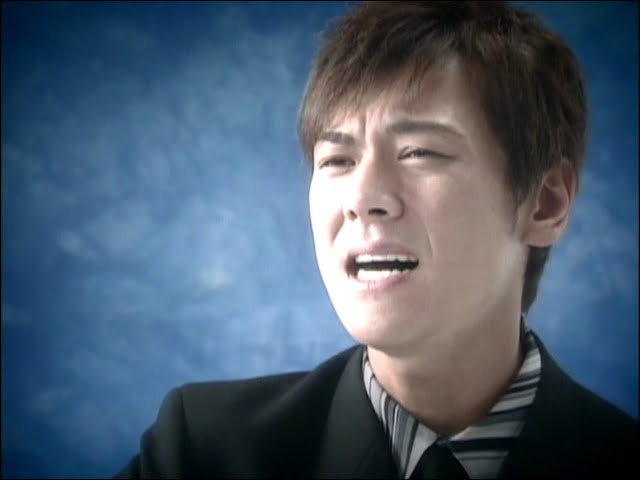
A deeply moving song that portrays a solitary departure, undertaken with the resolve never to return.
Written and composed by Joji Hara, his powerful yet gentle voice richly conveys both the determination to face a harsh journey and the quiet nostalgia held within.
Released in April 2004 as a debut single, the track achieved the remarkable feat of reaching No.
20 on the Oricon overall chart—at the time, the highest ranking ever for a solo debut by an enka singer.
This solid first step paved the way for later successes, including the acclaimed album “Ippo” (One Step) and “Yume Ichizu,” which was selected as the theme song for the TV drama “Suronin Tsukikage Hyogo.” It is a song that will resonate deeply with anyone standing at a crossroads, ready to venture onto a new path.
Oga PeninsulaKitayama Takeshi
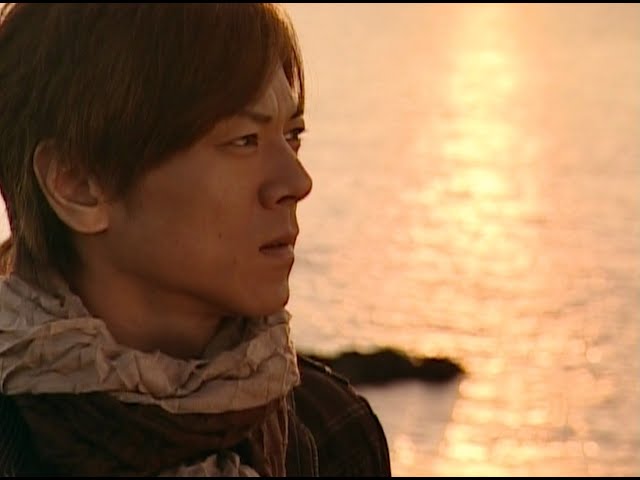
Set against the majestic nature of Akita Prefecture, this is one of Takeshi Kitayama’s signature songs, powerfully singing of a man’s romance and resolve.
It portrays a protagonist who, even without words, burns with a hidden passion, facing harsh nature head-on while keeping his eyes fixed on the future.
With lyrics that vividly paint the scene and a grand, expansive melody that moves the listener, it is a quintessential example of classic enka.
Released as a single in August 2007, Kitayama performed it passionately on that year’s NHK Kōhaku Uta Gassen.
The coupling track Yume Ichizu is also known for being chosen as the theme song for the TV Asahi period drama Ronin Tsukikage Hyōgo.
This work will likely resonate with those attempting a new challenge or quietly nurturing a fighting spirit in solitude.
Kinokawa (Kii River)Sakamoto Fuyumi

Set against a river flowing through Fuyumi Sakamoto’s hometown of Wakayama, this song is an epic, story-driven piece that portrays the bond passed down from mother to daughter to grandchild across three generations.
Released in March 2008, it serves as the concluding installment of the “Masterpiece Series,” based on Sawako Ariyoshi’s novels, and was also used as the ending theme for TBS’s “Kaiun Ongakudo.” Its universal theme— a mother’s deep love, single-mindedly praying for her child’s happiness, intertwining with the eternal flow of a river—resonates powerfully with listeners.
The fact that Sakamoto was appointed a “Hometown Ambassador” for Wakayama Prefecture in November of the same year further conveys the work’s heartfelt connection to her roots.
It is a song to hear when you want to be reminded of family bonds or to reflect on your hometown; its warm vocals will gently permeate the heart.
Would you like some Noto?Sakamoto Fuyumi

This is one of Fuyumi Sakamoto’s signature songs, evoking scenes of sharing drinks while reminiscing about one’s hometown.
The lyrics depict the sights and everyday life of Noto, imbued with a deep affection for one’s roots and a poignant yet passionate longing to return.
It’s remarkable how this warm worldview, combined with Sakamoto’s powerful yet embracing vocals, stirs a sense of nostalgia in listeners.
Released in May 1990 as her seventh single, the song won the Wire Music Award at the 23rd Japan Cable Radio Awards.
Its popularity is also evident from her performance of it at that year’s 41st NHK Kōhaku Uta Gassen.
For those striving away from home, hearing it may bring back memories of familiar landscapes and cherished loved ones.
[Heisei Era] Compilation of Enka Hit Songs (21–30)
Mother of NaniwaNatsuki Ayako
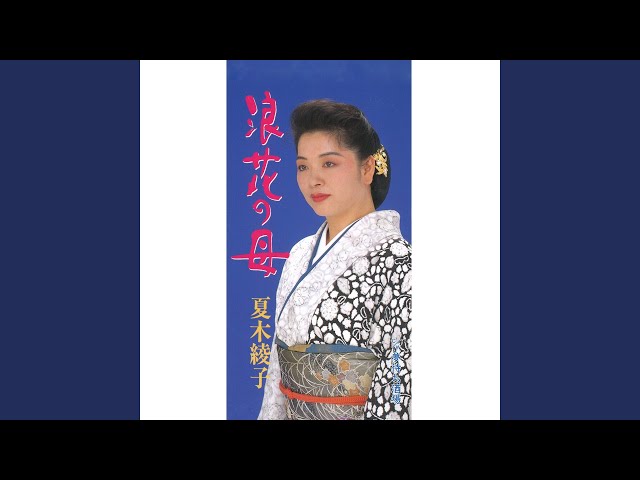
From mother to daughter, this is a soul-stirring anthem passed down through generations.
Released in July 1993, Ayako Natsuki’s debut sold around 200,000 copies and won the Diamond Hit Award.
A mother who, despite poverty, steadfastly raised her daughter—her powerful lessons and deep love are sung over an emotionally rich melody.
You can almost picture the protagonist savoring her mother’s words, and as you listen, you may find yourself thinking of your own family and feeling a swell of emotion.
Included as well on the 25th-anniversary edition “Yukimai Zakura / Naniwa no Haha ~25th Anniversary Version~,” this song continues to be cherished today.
It’s the kind of piece that suddenly makes you long for the face of a loved one waiting back home.