

Debut songs by Japanese female artists from the 2000s

Have you ever had the experience where you listened to something so much back then, but now you can’t remember the singer’s name? It’s frustrating, isn’t it? In this article, we’ve put together songs by female artists who debuted in the 2000s.
You might just find that song you’ve been searching for with only a hazy memory to go on.
Or you might discover, “Oh, she sang this kind of song too!” The range is truly wide—from soothing tracks to high-energy tunes! Find the perfect song to match your mood right now!
- Top Female Singer-Songwriters and Popular Songs of the 2000s [2026]
- Love songs that were hits in the 2000s. Classic and popular Japanese songs.
- Looking back at the gem-like debut songs of female singers who debuted in 1990
- 2000s: A Collection of Hit Karaoke Classics
- All big hits! A roundup of classic J‑Pop songs that were popular in 2000
- Ballad songs that were hits in the 2000s
- A roundup introduction to the debut songs of female idols who debuted in the 2000s!
- Cool Japanese female vocal
- [Debuted in the 2000s] Youthful Sounds Heard in Girl Band Debut Songs
- Girls’ rock: female vocal bands that were active in the 2000s
- [Feels Great to Listen To!] Popular Songs by Female Artists with Captivating High Notes
- Recommended karaoke songs for women in their 20s — Heisei/Reiwa hits and the latest tracks
- Breakup songs that were hits in the 2000s
[2000s] Debut songs by Japanese female artists (1–10)
Tree of WadatsumiHajime Chitose

It was released in 2002 as Chitose Hajime’s debut single.
Hailing from Amami Oshima in Kagoshima Prefecture, she drew attention for a singing style reminiscent of the island songs unique to Amami Oshima, and the single reached No.
1 on the Oricon Weekly Singles Chart.
“Wadatsumi” is the name of a sea deity that appears in Japanese mythology.
It’s a masterpiece that exudes a mystical atmosphere.
Brilliant DreamNakagawa Shoko

It was released in 2006 as Shoko Nakagawa’s debut single.
In the music video, in addition to the image outfit, a total of 12 different costumes—including cosplay—were prepared, and the debut event “Shokotan☆Matsuri” was held.
It reached No.
29 on the Oricon chart.
ONE WAYAoyama Teruma

It was released in 2007 as Thelma Aoyama’s debut single.
It was featured in TV commercials for Dwango’s “dwango.jp” and MLJ’s “Artist Official Sound.” It’s an upbeat track that gets people excited and energized.
[2000s] Debut songs by Japanese female artists (11–20)
SariAndō Yūko
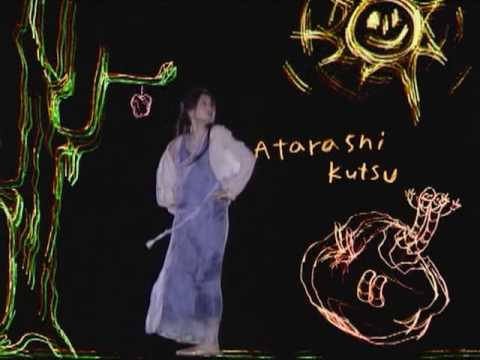
This is Yuko Ando’s debut song.
Ando made her debut as a singer at 26, handling both the lyrics and the composition herself.
While it’s a gentle track, it also has an atmosphere that feels like it creates a world only Ando could bring to life.
Her singing has a distinctive way of pronouncing words.
Yet it’s somehow very pleasing to listen to, and within the song’s calm yet unique sense of rhythm, it makes you want to keep listening.
It’s also worth tuning in to the characteristically 2000s sound that evokes a sense of nostalgia.

B’coz I Love YouYaita Hitomi

It was released in 2000 as Hitomi Yaida’s major-label debut single.
The song was used as the opening theme for TBS’s “COUNT DOWN TV,” and the lyrics and music were written by Yaida herself.
The intense guitar and catchy melody leave a striking impression, and the straightforward lyrics about a girl’s feelings of love are adorable.
JupiterHirahara Ayaka

It was released in 2003 as Ayaka Hirahara’s debut single.
The song sets lyrics to one of the themes from Gustav Holst’s Jupiter, and despite being a debut, it became a major hit, achieving million-seller status.
It remains a beloved classic that continues to inspire and encourage many people.
STARSNakajima Mika
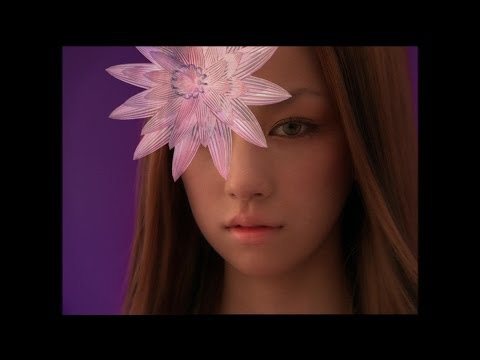
It was released in 2001 as Mika Nakashima’s debut single.
The song was used as the theme for the Kansai TV/Fuji TV drama “A Love Song Full of Scars,” in which Mika Nakashima appeared, marking her acting debut at the same time as her singing debut.
Despite being her debut work, it entered the Oricon chart at No.
3.