

All big hits! A roundup of classic J‑Pop songs that were popular in 2000

In the 2020s, the early-2000s culture known as “Y2K” is gaining attention as a fresh trend among younger people.
The rediscovery of fashion and music unique to the 2000s—when you could feel the frenzy of entering a new century—seems poised to spark new forms of expression once again.
So what kinds of songs drove trends and dominated the charts in the year 2000, the very beginning of that decade?
This article introduces the J-POP smash hits released in 2000.
Whether those years were your youth or you hadn’t even been born yet, we hope you enjoy!
- 2000s: A Collection of Hit Karaoke Classics
- [Japanese Music] Masterpieces of 2000s Pop: A roundup of hit songs from 00s J-POP
- Japanese Music of the 2000s: Revival Included! A J-POP Hit Song Special
- An energizing song that was a hit in the 2000s—a classic that gives you strength.
- Heisei-era masterpieces. Hit songs that represent the Heisei period.
- 2000s Japanese Hits | Unforgettable Once You Hear Them! Exquisite Masterpieces
- Nothing but iconic hits that defined an era! 2000s classics popular on TikTok
- Commercial songs from the 2000s. A roundup of nostalgic hits from the 00s.
- Love songs that were hits in the 2000s. Classic and popular Japanese songs.
- Heisei Song Collection: Iconic Hits That Colored the ’90s and 2000s
- Songs that were popular in 2020. A roundup of hit songs from Reiwa 2.
- Iconic songs by Japanese rock bands from the 2000s [J-Rock]
- Summer Songs That Hit in the 2000s | A Look Back at Nostalgic Summer Tunes!
Nothing but smash hits! A roundup of iconic J-POP songs that were popular in 2000 (11–20)
Secret of my heartKuraki Mai
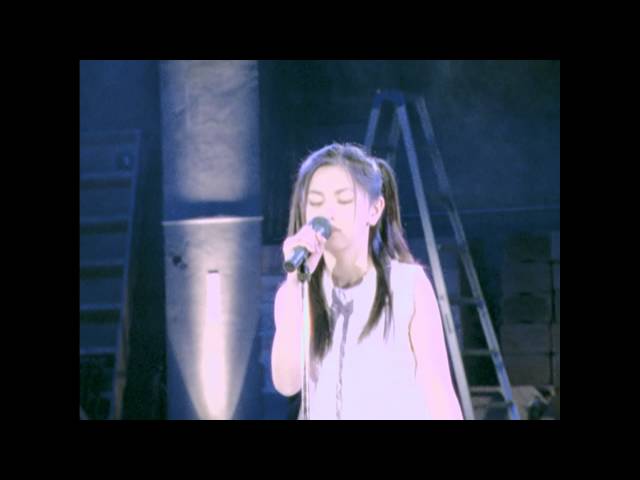
Singer-songwriter Mai Kuraki drew instant attention when her debut single, despite having no tie-in, became a million seller.
Released on April 26, 2000, her third single “Secret of my heart,” which was used as the ending theme for the TV anime Detective Conan, set a record by becoming her third consecutive million-selling release since her debut.
Her clear, translucent voice and wistful melodies showcase an expressive power hard to believe from a teenager.
It’s a pop tune that felt like the dawn of a new era at the time, and one where you should also pay attention to the different arrangements between the TV-size and full-size versions.

GibbsShiina Ringo
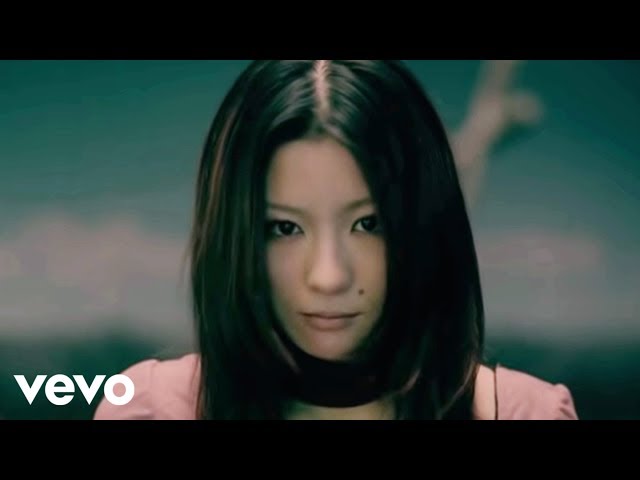
Ringo Sheena, also known as the central figure of Tokyo Jihen, is a singer-songwriter whose distinctive lyrical world stands out for its originality.
Released on January 26, 2000 as the fifth single and a lead track from her second album “Shōso Strip,” “Gips” became a major hit alongside the simultaneously released sixth single.
The edgy vocals paired with a noisy guitar ensemble deliver a powerful rock impact, even though it’s a ballad.
It’s a timeless masterpiece worthy of its million-seller status.
Wait & See ~Risk~Utada Hikaru

Singer-songwriter Hikaru Utada, who debuted at 15 and has continued to captivate listeners with an ever-evolving musical style.
The fifth single, “Wait & See ~Risk~,” produced with Jam & Lewis, shipped 1.02 million copies by its release day on April 19, 2000.
Her emotional vocals—hard to believe from a teenager—made a powerful impact that astonished many listeners at the time.
The modern, CG-driven music video also drew attention, making this million-selling hit an undeniable smash.
Cherry Blossom Timeaiko

Here is the song that Aiko released in February 2000, heralding the dawn of a new century.
Set against the backdrop of late spring and the beginning of summer, it portrays feelings of love that shift along with the changing seasons.
The wish for unchanging love in ever-changing days is expressed through the image of cherry blossom petals.
The song was released as a single and remains one of the most beloved tracks among Aiko’s fans.
It’s especially recommended for listening in spring, when you can feel the season in the air.
How about enjoying it with someone special at the start of a new season?
King of SummerKinKi Kids

KinKi Kids, an idol duo from the Kansai region who built a unique Johnny’s brand and continue to work energetically while showcasing their individual personalities.
Their 10th single “Natsu no Ousama,” released on June 21, 2000 as a double A-side with “Mou Kimi Igai Aisenai,” was used as the theme song for the TV drama Summer Snow starring member Tsuyoshi Domoto.
Its fresh melody and upbeat off-beat rhythm perfectly capture the summery vibe implied by the title.
An emotional hit tune certified Double Platinum.
EverythingMISIA

Singer MISIA, whose five-octave voice has made her a popular, Asia-defining artist beyond just Japan, released her 7th single “Everything” on October 25, 2000 as the theme song for the drama Yamato Nadeshiko.
This ballad became the best-selling single by a female artist in the 2000s.
Its ensemble featuring ethereal strings and her soulful vocals still retains an undimmed allure today.
It’s also a karaoke staple and a double-million seller.
Nothing but blockbuster hits! A roundup of iconic J-pop songs that were popular in 2000 (21–30)
Shingo Mama’s Ohay-RockShingo Mama

Shingo Katori, a singer who was popular for his artistic sensibilities and funny persona since his days in SMAP, released his first single under the character “Shingo Mama,” which he played on the variety show Sata☆Sma.
The song, “Shingo Mama no Oha Rock,” came out on August 18, 2000, and became hugely popular, especially among children.
Its memorable catchphrases tied to the concept and character, along with its catchy melody, make it unforgettable after just one listen.
Despite being released on a Friday—typically a disadvantage in Oricon chart tallies—it still reached number one, a pop tune whose million-seller status is easy to understand.