

[Hard-to-Read Quiz] Single-character difficult kanji — including surprisingly simple ones!

Kanji are a classic staple of quizzes.
Even as adults, we rely on familiar kanji in daily life, but we don’t often get the chance to focus on single-character kanji, do we?
So we’ve put together a quiz on how to read these one-character kanji.
You might imagine characters with lots of strokes, but in this article we also include kanji you often see in everyday life and some surprisingly simple ones.
We’ve sprinkled in brief comments about the answers as well.
Use this as a quick break while studying kanji—or as a fun tool to pass the time while you wait!
- A quiz of interesting obscure kanji: characters that look easy but are hard to read
- One-character difficult kanji quiz: a multiple-choice (3 options) game to learn the readings of challenging kanji
- The world’s toughest! A collection of insanely hard-to-read kanji
- The world’s fewest: A collection of one-stroke kanji. Learn them in a quiz format!
- Obscure fish kanji. Can you read them?
- [Interesting] Summary of Kanji Reading Quiz Questions
- Can You Read These? Quiz on Kanji with Many Strokes
- A quiz on how to read obscure kanji: words that become difficult when written in kanji.
- [Satisfying When Solved] Challenging Quizzes Recommended for Elementary School Students!
- How many can you read? A quiz on difficult kanji for foods
- What animal is this kanji? A quiz on difficult animal kanji.
- [For Elementary School Students] Country Names in Kanji Quiz. A quick, fun quiz
- [Trick Quiz] Quiz Questions That Excite Everyone from Kids to Adults
[Difficult Kanji Quiz] Challenging single-character kanji. Surprisingly simple ones too! (1–10)
pit; trap (especially a concealed pitfall)
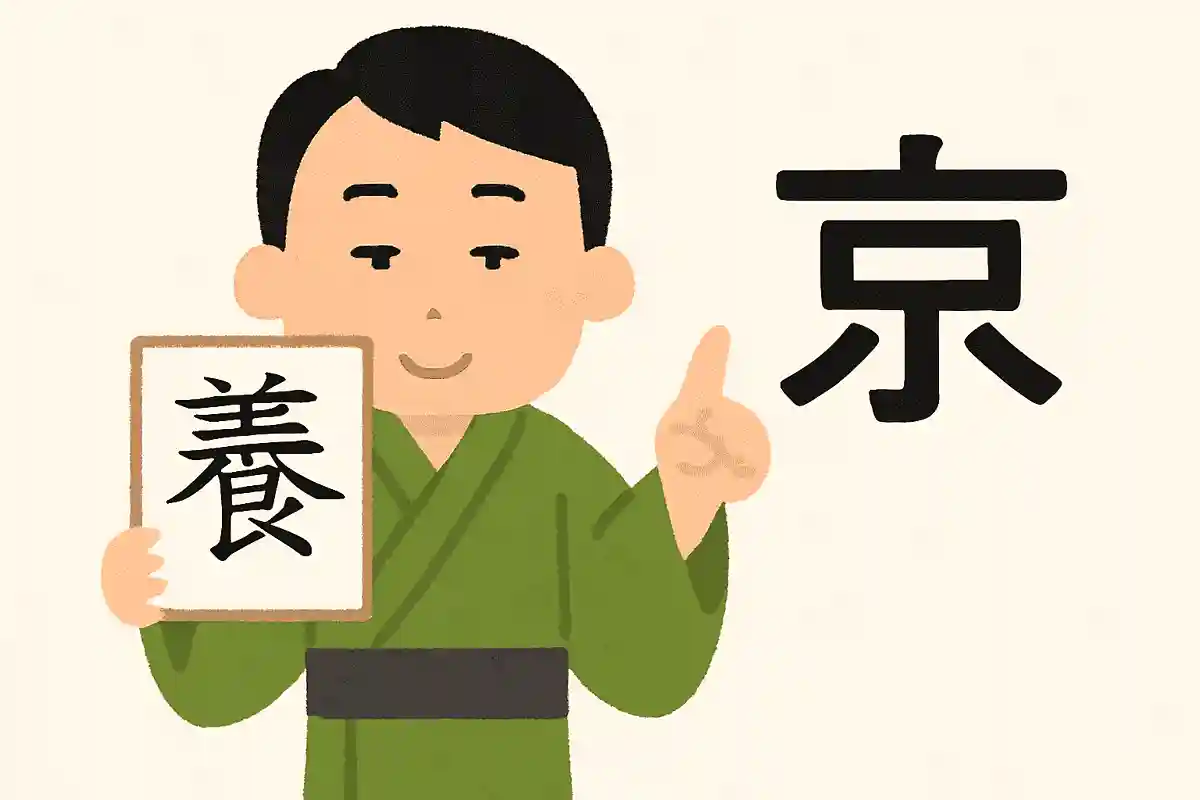
- well
- pitfall
- tunnel
See the answer
pitfall
It was the familiar “pitfall,” often seen on variety shows. You can probably guess it from the “hole” radical! Besides a literal hole you fall into, it also includes the meaning of a scheme to entrap someone.
clause
- ankle bone
- nape (of the neck)
- heel
See the answer
nape (of the neck)
It was unaji, which refers to the nape of the neck. Indeed, when you look at the right-side component of the kanji, it does have a neck-like feel to it.
vertical
- obey; follow; comply
- weight
- at will
See the answer
at will
A word you hear in phrases like “to do as one pleases.” There are a few variations, such as the character for “shi” (恣), but it’s surprising that this meaning can also be expressed with that single, familiar kanji read as “tate.” It was a tough question because the connection to the kanji is hard to visualize.
Difficult Kanji Quiz: Challenging single-character kanji, including some surprisingly simple ones! (11–20)
persimmon
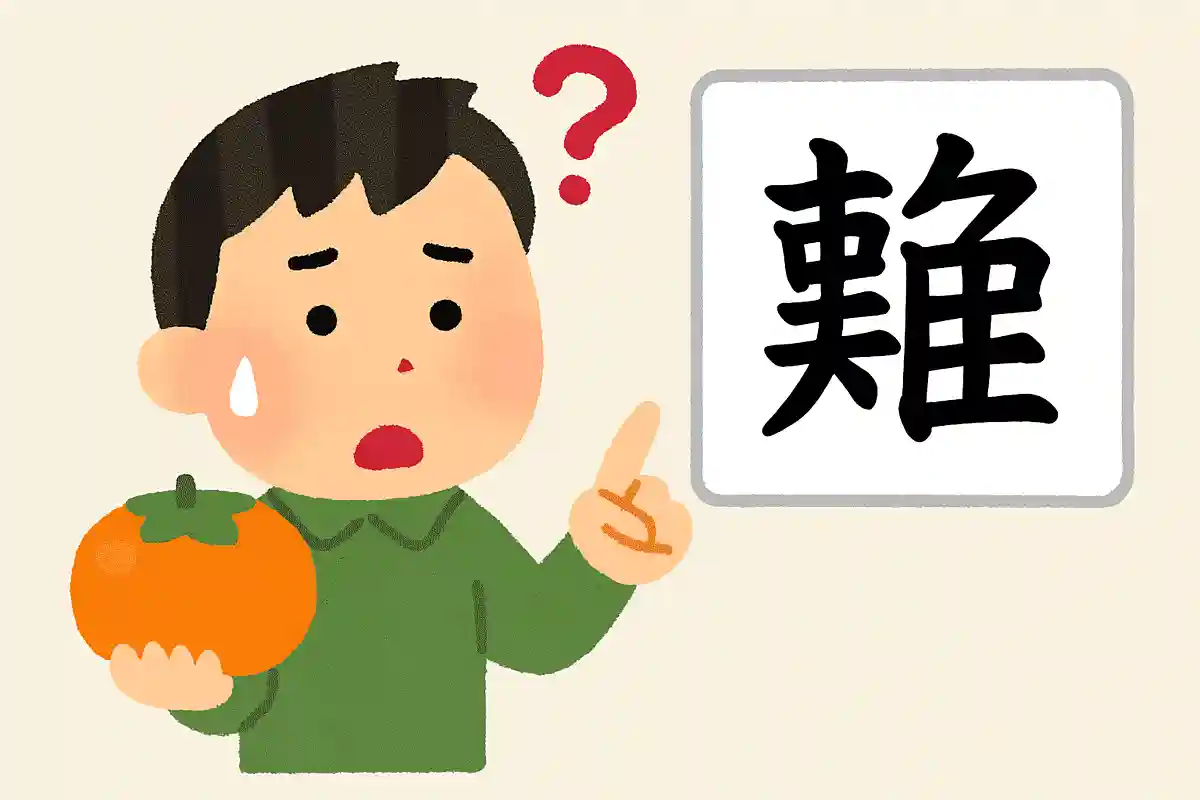
- kaki
- kokera (wood shavings; thin wooden flakes used for roofing or as decorative flakes); also appears in terms like “kokera otoshi” (the inaugural performance/opening event of a theater)
- memento of the deceased
See the answer
kokera (wood shavings; thin wooden flakes used for roofing or as decorative flakes); also appears in terms like “kokera otoshi” (the inaugural performance/opening event of a theater)
These are wood shavings produced when planing timber. The term “kokera-otoshi” (literally, “sweeping off the shavings”) arose from the practice of brushing them away at the end of construction work, and it’s also used to mean the inaugural performance at a theater. It’s similar to “kaki,” but the distinguishing point is whether the vertical line in the city radical protrudes.
snail
- turban shell
- snail
- hermit crab
See the answer
snail
Some of you may have more or less guessed it from the feel of the kanji, right? Normally, it’s written as “蝸牛.”
ripple
- ripples
- Aranami
- lotus flower
See the answer
ripples
It represents the small waves caused by the sea using the water radical (sanzui) and the character for “to connect/continue” (ren). It’s also the title of a track on the “Sazanami CD,” so Spitz fans might find it familiar!
paving stones
- brick
- Akigawara
- cobblestone
See the answer
cobblestone
These are flat tiles laid out on the ground. They have a charming feel and are a sight you can find even in stylish city areas. Usually, it’s written as “石畳,” meaning cobblestone pavement.