

[Childcare] Fun Songs for 2-Year-Olds to Sing! Recommended Song Collection


When children turn two, they become interested in many different songs, learn them quickly, and sing lots of them.It’s an age when they can really feel how fun it is to sing.This time, we’ve gathered many recommended songs for two-year-olds.We’ve included seasonal songs and hand-play songs, so please try to find a favorite that your children will love.Once they know a variety of songs, they might start requesting, “I want to sing that one!”Singing time will become much more enjoyable!
- Ideas for performances recommended for two-year-olds’ recitals and play events
- Recommended for preschool recitals! Choral songs that 3-year-olds can adorably sing
- [Children's Songs] Cute songs recommended for childcare. List of popular nursery rhymes.
- Get pumped with popular songs from “Okaasan to Issho”! A collection of timeless tunes everyone will want to sing together
- [For 1-year-olds] Fun Together! Recommended Songs and Hand Play Collection
- [Childcare] Recommended play ideas for caring for 2-year-olds
- Popular Songs Ranking for Toddlers
- A big hit with kids! A collection of songs that gets everyone pumped for childcare and recreation
- Get pumped with kids’ favorite songs! A memorable collection of classics that will make you want to sing along
- [For 3-year-olds] Songs to sing at nursery schools and kindergartens! Popular and recommended songs
- [February Songs] Introducing children's songs, folk songs, nursery rhymes, and hand-play songs about Setsubun and winter!
- Ranking of Popular Children's Songs [2026]
- Nursery rhymes to sing to your baby! Recommended songs enjoyable from 0 months
[Childcare] Songs 2-year-olds love to sing! Recommended Song Collection (31–40)
Yakiimo goo-choki-paSakushi: Sakata Hiroo / Sakkyoku: Yamamoto Naozumi

This is a fun song that captures the toasty, warm feeling of roasted sweet potatoes.
While mimicking the motions with your hands, children can also learn about rock–paper–scissors.
For two-year-olds, don’t focus on winning or losing—just enjoy calling out the cues and showing rock, paper, and scissors.
When the teacher has fun, the children will naturally imitate.
Since this is a song that emphasizes movement, it’s helpful to have one teacher demonstrate for the children.
Try preparing a CD or finding an accompanist to add some variety.

A Little Bear in the RainSakushi: Tsurumi Masao / Sakkyoku: Yuyama Akira

This is a cute song that depicts a rainy scene and the little bear’s actions.
The melody is calm and relaxed, so children will be able to sing freely.
The lyrics are a bit complex for two-year-olds, so it would be nice for the teacher to sing it repeatedly so everyone can enjoy it together.
It’s also recommended to create a sketchbook theater or panel theater so the scenes can be understood visually.
Let’s all enjoy the sound of the stream and the little bear’s motions as it looks for fish.
Why not incorporate it during the rainy season?
Song of Feathers

This song was created for Shimajiro no Wao!, an educational program that values nurturing children’s vocabulary and knowledge.
Released in September 2013, the song joyfully introduces words that begin with the syllable “ke,” set to a rhythmic melody.
Within the show, children can naturally encounter new words as they sing and dance along with Shimajiro.
The video features illustrations and animations that match the words, richly incorporating visual elements.
This piece is a friendly, accessible song that allows children to enjoy language through singing, whether at home or in childcare settings.
The Song of KonkonshyanSakushi: Kayama Yoshiko / Sakkyoku: Yuyama Akira

Konkonkushan no Uta is a fun song whose lyrics have you wear masks shaped to match the animals that appear.
For a squirrel, you wear a small mask; for a crane, a long, slender mask.
No matter the animal, everyone ends with a big “kushun!” sneeze, making it perfect to sing during cold season in winter.
It’s a great chance to learn about cold prevention together with children.
Also, if you adjust your volume and gestures to match each mask shape, kids will enjoy copying along as they listen.
Let’s enjoy the song and stay lively through the winter!
To the Sun in the Palm of Your Hand
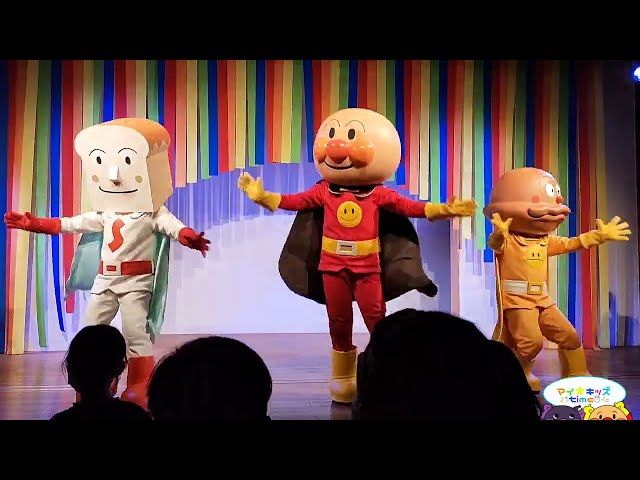
The lyrics for this song were written by Takashi Yanase, well known for Anpanman.
It’s said he came up with the idea after shining a flashlight on his own hand and feeling, “I’m alive!” The composer is Taku Izumi, a master of Japanese children’s songs.
The light, buoyant melody combined with lyrics that convey the “joy of being alive” makes kids naturally want to dance! For children to fully enjoy the song “Tenohira o Taiyō ni” (“Hands to the Sun”), it’s important that they first feel, “Isn’t being alive amazing!” If they sing with a bright voice while holding their hands up to the sun and savor the moment of realizing, “There’s blood flowing through me!” their bodies will start moving naturally.

[Childcare] Fun songs for 2-year-olds to sing! Recommended song collection (41–50)
My favorite things

It’s a warmhearted song that helps children find what they love and nurture a sense of cherishing it.
The staging that incorporates sign language is memorable, and there are thoughtful touches throughout that allow children of diverse backgrounds to sing together and have fun.
The melody is pleasant and so familiar you can’t help but hum along.
Released around 2011, it has been used in various settings, including the educational program “Shimajiro no Wao!”, concerts, and events at childcare facilities.
This work truly supports children’s growth, teaching the beauty of expressing gratitude for familiar things and important people.
Singing it together with parents or guardians can also be an opportunity to foster an even deeper bond.
Let’s have fun.Shoko&The Akilla

This work, which begins with a warm melody that gently embraces children, was created as the January monthly song for TV Tokyo’s infant and toddler program “Sina Pshu.” It carries a message about enjoying each and every day, and its gentle tone that resonates with children is especially memorable.
Shoko & The Akilla’s heartfelt vocals blend beautifully with the friendly, approachable rhythm.
On the show, it airs alongside colorful animation, bringing countless smiles from viewers.
It’s a song that can be enjoyed not only at nursery school and kindergarten events but also at home, so why not dive into the world of music with your children, moving your bodies together as you listen?