
Masterpieces in 3/4 Time: That Hit Song Too!? A Curated Selection of Popular Japanese and Western Tracks


When you think of hit songs in triple meter, what kind of tracks come to mind?
Triple meter is known as the waltz rhythm and is popular in classical music; it’s also commonly used in other genres, especially in Western music.
Interestingly, it’s often said that Japanese listeners are not as comfortable with triple meter, so it doesn’t appear much in J-pop hits.
In this article, we’ve selected songs in triple meter from Japanese and Western pop and rock.
From timeless favorites to lesser-known hidden gems, we’ve got a wide-ranging playlist for you!
- The Appeal of Irregular Time Signatures: A Collection of Songs in 5/4 Time
- Standard songs for ballroom dancing. Popular and well-known tracks.
- Coming-of-age songs for your 50s: heart-thumping × heartwarming classics and popular tracks [2026]
- [Gets you grooving] Upbeat Japanese songs. Tracks that make you feel happy.
- [For Seniors] Have Fun and Relieve Stress! Introducing Dances Everyone Can Enjoy Together
- The Appeal of Odd Time Signatures: A Compilation of Songs That Use 7/4 Time
- Ranking of Popular Children's Songs [2026]
- Kids will love it! A collection of dance song ideas with easy-to-follow rhythms
- [March 2026] Trending Songs: A roundup of the hottest viral tracks right now
- [Rhythm] A roundup of popular Japanese songs that use 16-beat [2026]
- [Spring Songs Recommended for People in Their 30s] Carefully Selected Nostalgic Classics & Big Hits
- [Classic and Contemporary Hits] Emotionally Stirring, Heart-Touching Songs
- [Easy to Remember] A Collection of Cool Dances Recommended for Girls
Masterpieces in Triple Meter: That Hit Song Too!? A Curated Selection of Popular Japanese and Western Tracks (61–70)
Morning Has BrokenCat Stevens

It’s a song by British singer-songwriter Cat Stevens, included on his 1971 album Teaser and the Firecat.
Released as a single in Japan under the title “Ame ni Nureta Asa” (“Morning Wet with Rain”), the track’s success helped make Cat Stevens widely known.
“Wild World,” which became a hit when covered by the American rock band Mr.
Big, is a song written and composed by Cat Stevens.

Come Away With MeNorah Jones

When people hear “a song in 3/4 time,” many probably imagine something gentle and unhurried.
This ballad, Come Away With Me, by Norah Jones—the most successful jazz singer-pianist since the 2000s with global name recognition—embodies exactly that image of triple meter.
It’s the title track from her debut album, Come Away With Me, released in 2002, which sold over 27 million copies worldwide, and it’s a number that Jones herself wrote both the lyrics and music for.
More than jazz, it carries a hint of country flavor, a slow ballad graced by Jones’s wonderfully smooth, maturely sensual vocals that seem far beyond her early-twenties years at the time.
The music video of Jones driving down a desert road in California also perfectly matches the song’s mood and feels just right!

AmyChihara Minori

Minori Chihara is a singer active in various fields, including as a voice actress and YouTuber.
Her 26th single, “Amy,” was written as the theme song for the animated film Violet Evergarden Gaiden: Eternity and the Auto Memory Doll.
Inspired by the film’s ballroom scene, the arrangement was crafted in triple meter, and together with its string-featured sound, it creates a classical atmosphere.
It’s a lyrical pop tune whose pleasant melody evokes vivid imagery.

Lucy In The Sky With DiamondsThe Beatles
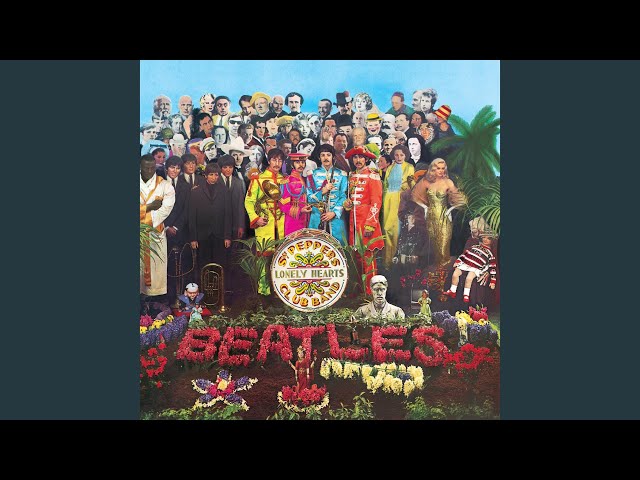
Even the Beatles—the greatest band of the 20th century and a legendary foursome in music history—naturally have songs in triple meter.
Lucy in the Sky with Diamonds, featured on the 1967 album Sgt.
Pepper’s Lonely Hearts Club Band, is one such track.
Led by John Lennon, this psychedelic number was reportedly inspired by a drawing by his son, Julian Lennon.
The song’s most distinctive feature is its structure, which combines 3/4 and 4/4 time.
If you’re interested in triple meter, give it a listen—you’ll clearly hear the difference between the two rhythms.
Take It To The LimitThe Eagles

This song from the Eagles’ fourth album, One of These Nights, was co-written by band members Randy Meisner, Don Henley, and Glenn Frey, with bassist Randy Meisner on lead vocals.
Because it’s an energetic number, it was often performed live, but Meisner was criticized if he didn’t sing it well, to the point where he said it nearly gave him a stomach ulcer.
It sounds like he had a very tough time singing it.
