

[Age 5] A roundup of anime for 5-year-olds that will draw them into the story

Just as anime has many adult fans, there are plenty of works with complex, profound stories and themes.
Once children turn five, they can start to appreciate the depth of anime as well.
It can be a good idea to choose titles with a different flavor from what they’ve watched so far.
With that in mind, we’ve compiled a list of anime suitable for five-year-olds.
Not only will kids enjoy watching them, but they might also discover new favorite characters and scenes.
Teachers and guardians, please consider watching together with the children and sharing your thoughts afterward.
- [Age 4] Fun for grown-ups too! A roundup of anime for four-year-olds
- [Anime] For toddlers! A roundup of anime works to enjoy with your kids
- [Age 3] A roundup of anime for 3-year-olds that adults can enjoy too
- [Age 5] A roundup of anime for 5-year-olds that will draw them into the story
- [Age 2] A Special Feature on Anime to Enjoy with Your Child!
- Recommended for 5-year-olds! A collection of ideas for plays and dances for senior kindergarteners’ performances
- Ideas for indoor activities and group games that 5-year-olds like
- [Kindergarten] Let’s Play with Quizzes! A Collection of Recommended Quizzes for Older Kindergarteners
- [For 5-year-olds] Let’s make origami! A collection of fun folding ideas
- [Riddles] Have Fun with Kindergarten Seniors! A Collection of Riddles
- A collection of recommended Christmas picture books that will captivate 5-year-olds!
- [Age 5] Exciting and fun! A special feature on ideas for at-home play
- Recommended anime theme songs for children: timeless anime song classics you should listen to at least once.
[Age 5] A roundup of engaging anime for 5-year-olds (21–30)
Dragon Ball GT

Dragon Ball GT, which began airing in 1996, is the sequel to the anime Dragon Ball Z that had been broadcast up to that point.
Since the original manga’s story ends with Dragon Ball Z, people were also interested in what new developments would unfold from there.
The series follows Son Goku, who has been turned back into a child, as he embarks on a space-traveling adventure with his granddaughter Pan and Trunks.
This adventure-centric storyline evokes the early days of the original series.
With encounters with unique characters on various planets, the show offers appeal beyond just the battles.
Secret Catch
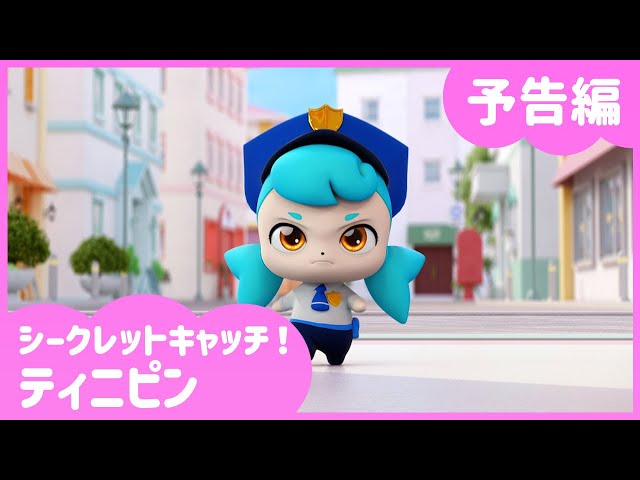
This is the story of Romy, a princess from a magical kingdom, who solves mysteries while searching for the Tinypins—fairies that have been scattered across Earth.
The world sparkles with fairies, keys, and magic, full of elements that especially capture girls’ hearts.
A cast of uniquely charming fairies appears, and the powers and roles hidden within each key are a highlight of the story.
Each episode brings new encounters and lessons, allowing viewers to naturally feel the importance of friendship, growth, and kindness.
It’s a captivating work that lets you enjoy the sensation of magic slipping into everyday life—sure to sweep you off your feet.

Dragon Ball DAIMA

Dragon Ball DAIMA is a brand-new story in which the series’ characters are turned into children and embark on a fresh adventure.
While the familiar faces in their younger forms may be surprising, the nonstop thrills and battles deliver the same excitement as ever.
With unique elements like enemy conspiracies and new settings, it’s a work that even first-time young viewers can fully enjoy.
For longtime fans it feels nostalgic, and for new audiences it’s refreshingly new—a series that can be enjoyed across generations.
Curious George
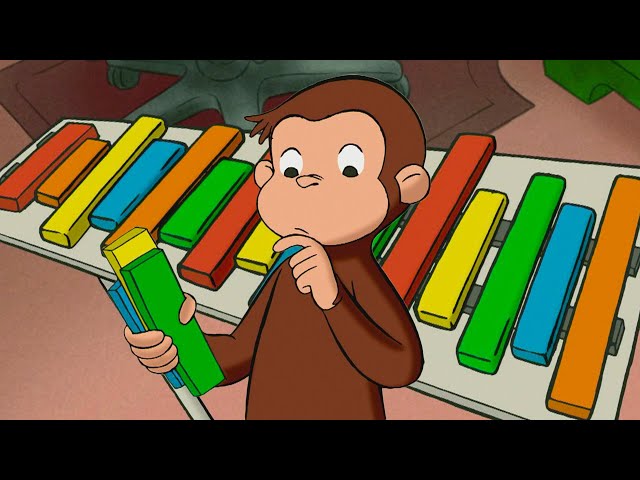
The animated series “Curious George” is based on the picture book series “Curious George.” The protagonist, George, is a little monkey, so he doesn’t speak.
But through his gestures and expressive face, you can tell what he wants to do and what he’s thinking.
In these charming stories, George dives into all kinds of adventures and mishaps—and solves them—making the show hugely popular with children! The lack of dialogue sparks the imagination and draws viewers into George’s world.
If you haven’t seen it yet, be sure to give it a try.

Dragon Quest: The Adventure of Dai

Dai no Daibouken (Dragon Quest: The Adventure of Dai) is a grand adventure tale about Dai, a boy who dreams of becoming a hero, as he faces powerful foes alongside his companions.
Set in a world of swords and sorcery, it features thrilling battles and a growth-driven drama, making it a great recommendation for upper elementary school kids.
Through clashes with enemies, the story teaches the value of friendship and courage, and each character’s unique personality is part of the appeal.
Beyond the fights, many scenes portray trust among comrades and inner conflicts, making it easy to become emotionally invested.
The original work has been beloved for many years, and its anime adaptation has brought it renewed attention from today’s children.
It’s especially recommended for fans of action and adventure, and it’s sure to spark lively conversations with friends—an exciting, adventure-filled series that fires the imagination.
Hanakappa

Hanakappa is an anime mainly aimed at preschoolers and lower elementary school children, but plenty of older kids like it too.
The protagonist is Hanakappa, an elementary school kappa who can make flowers bloom on his head.
The story unfolds in Yamabiko Village, where Hanakappa lives.
The adventures and commotions he experiences are full of appeal for kids! When Hanakappa is in a pinch or needs to solve something, he makes various flowers bloom, so children naturally learn about flowers as well.
The everyday elementary school moments and interactions with friends are also highlights.
Digimon Adventure

The anime Digimon Adventure, which aired in 1999, is a story about children who get lost in another world and embark on an adventure.
Their encounters with Digimon in the Digital World, and the way each of them grows and deepens their bonds throughout their journey, resonated with viewers.
The unique personalities and action of the Digimon are part of the appeal, and the emotion and intensity come through especially strongly in the evolution scenes.
The children each struggle with their own issues, and many viewers likely related to watching them move forward while grappling with their worries.