

[Showa Classics] A Collection of Nostalgic 70s Anime Songs

Back in the 1970s, many iconic anime that represent Japan were broadcast.
Not only the anime themselves, but their theme songs have also captivated many people since those days.
In this article, we’ll introduce a wide selection of nostalgic anime songs from the ’70s for those who remember that era.
We’ve picked everything from timeless standards you still hear often today to unforgettable classics you might not have heard recently but can hum the moment they start playing.
As you look back on those times, take this opportunity to sit back and enjoy these nostalgic masterpieces.
- Anime songs recommended for people in their 70s: nostalgic theme songs that let you feel the history of anime.
- [Nostalgic] A roundup of anime songs and theme songs that were hits in the 1980s
- [Classic Hits] Popular Anime Songs Representing the Showa Era. Also Introducing Recommended Anime Songs!
- Moving and iconic anime songs, popular tracks
- Recommended anime songs for people in their 50s. Classic and popular anime theme songs.
- Classic and hit songs by nostalgic Japanese idols from the 1970s
- Cute Anime Song Special: From the 1970s to Today!
- Commercial songs from the 70s. Nostalgic TV commercial jingles.
- Anime songs recommended for people in their 60s: from nostalgic classics to the latest hits
- A collection of nostalgic hit songs and classics from the 70s
- [Nostalgic Songs] A compilation of classic anime themes that hit home for those born in the Showa and Heisei eras
- Hit songs in Japan in the late 1960s
- A classic from the good old days! A famous birthday song born in the Showa era.
[Masterpieces of the Showa Era] A Collection of Nostalgic 1970s Anime Songs (21–30)
Apache Baseball TeamHayashi Keeko
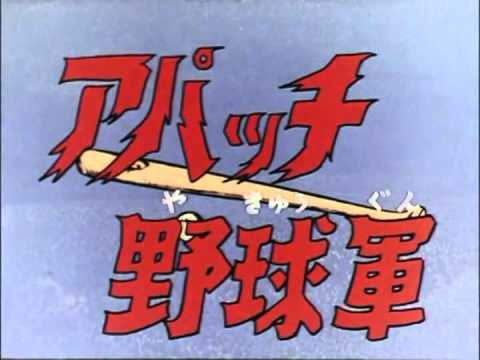
“Apache Yakyuugun” is an anime based on a manga that was serialized in Weekly Shonen King.
It’s known for its socially conscious storytelling and extremely distinctive characters, and it enjoys enduring popularity.
Listening to the opening theme will give you a taste of its appeal.
Fight! Casshernsasaki isao

Neo-Human Casshern is a TV anime produced by Tatsunoko Production, and its theme song, “Tatakae! Casshern,” was the first anime song sung by Isao Sasaki.
A live-action film, CASSHERN, starring Yusuke Iseya, was later made.
[Showa Era Classics] A Collection of Nostalgic 1970s Anime Songs (31–40)
Galaxy Express 999Godaigo

Speaking of Godiego’s signature songs, this is the one—released in July 1979 and widely known as the theme song for an animated film based on Leiji Matsumoto’s work.
It was commissioned by a film producer who, after seeing their concert beloved by audiences of all ages, asked them to create it.
The lyrics, interweaving English and Japanese, strongly reflect themes of hope, adventure, and growth.
The changing melody of the chorus grips listeners’ hearts, delivering a fresh sense of wonder in any era.
This piece can be called a song that should be passed down across generations, as it gives the courage and determination to overcome past hardships and carve out a new future.
Dumb Jock! KoshienFō Suraggāzu

“Dokonjou Gaeru Koshien” (The Stubborn Fool of Koshien) is a series that Shinji Mizushima—known for creating various baseball manga—serialized in Weekly Shonen Sunday, based on an original story by Mamoru Sasaki.
A TV anime aired from September 1970 to April 1971, with the theme song performed by The Four Sluggers.
Ballad of Their Footstepschinohajime

Hajime Ningen Gyatoruz is a TV anime based on an original work by Shunji Sonoyama, set in the prehistoric era.
Its ending theme, “Ballad of Their Footsteps,” is known as a classic and was later covered by Hiroshi Kamayatsu and Shikao Suga.
Now the Earth awakensNaosumi Kamata, Yuko Yamaji

Future Boy Conan is a television anime set in a post–Final War world, broadcast from April to October 1978.
It is also known as a work directed by Hayao Miyazaki.
The opening theme was sung by Naozumi Kamata and Yūko Yamaji.
Little Meg the Witch GirlMaekawa Yōko

Majokko Megu-chan is the seventh installment in Toei’s Magical Girl series, which aired starting in 1974.
A key feature is its story depicting the growth of the protagonist as she trains in the human world as a candidate for queen.
The song created as the opening theme is also well-known, portraying a girl who seems to be reaching just a bit beyond her years, set to a stylish sound.
While aligning closely with the story of the work, the song also feels like it expresses the emotions of a down-to-earth, real-life girl.
