

[Wamono] A roundup of popular 1970s Japanese dance songs and disco kayō

Speaking of the 1970s, it was also an era overseas when danceable music like funky soul and disco rose to prominence, giving birth to many history-making hits.
In Japan, too, many who spent their youth in those days probably have memories of hitting the dance floor night after night to the big hits.
This time, we’re focusing on Japanese music from the ’70s that reflects the influence of soul and disco—introducing both smash hits and hidden gems that later became known as “Wamono” and gained popularity among DJs.
Young music fans interested in city pop and disco kayō, be sure to check these out!
- Revival among the youth? Japanese dance music that was a hit in the 1980s. Showa-era dance tracks.
- A collection of nostalgic hit songs and classics from the 70s
- Classic and hit songs by nostalgic Japanese idols from the 1970s
- Also great for dementia care! Recommended dance songs for people in their 70s: Let’s dance to those classic hits
- Dance music in Japanese (J-pop) that people in their 50s used to listen to. Nostalgic classic hits.
- [Nostalgic Hits] Japanese dance music that resonates with people in their 40s.
- Dance music from Western artists that was a hit in the 1970s. World-famous and popular songs.
- [Definitive Edition] Masterpieces of 70s Disco Music
- [Revisited] A roundup of popular and classic Showa-era songs that are trending now [2026]
- [Recommended for people in their 70s] Songs that get everyone excited. Songs you’ll want to sing at karaoke.
- Classic and hit Japanese pop songs from the nostalgic 80s
- For seniors in their 80s: Stay healthy while having fun. Introducing dance songs that make you want to move!
- Classic and hit Japanese pop songs from the nostalgic 1960s
[Wa-mono] A Collection of Popular 1970s Japanese Dance Songs and Disco Kayō (21–30)
Sinbad on the Shorepinku redii

People currently in their 40s might be the Pink Lady generation.
Their popularity was truly phenomenal.
They themselves have said they hardly had any time to sleep.
Masako Mori, who was active in the same era, even testified, “We were often on the same music shows, and during the live broadcast, while other performers were singing, the two of them would catch a few moments of sleep,” showing just how busy they were.
It was also a time when everyone scrambled to learn the choreography each time a new single came out.
Roses and Pistolsgyaru

All three of them debuted individually after appearing on that audition show, Star Tanjō!, and this was the song they used when they re-debuted as a trio unit.
Since they all made it through rigorous screening, their vocal ability was outstanding.
It may seem a bit different from their current “gal” image, but at the time, they projected a sexy, mature allure and…
A Flower Blooming Underwater of LoveMatsuzaka Keiko

Flashy vibes aren’t the only kind of dance.
Keiko Matsuzaka may be on the chubbier side now, but in the drama, the song she performed in fishnet stockings at a club—fitting her role—became a huge hit.
In the drama’s opening, too, a small image of her dancing in fishnets in the lower right corner had men across the country swooning.
DEEPShibuya Teppei
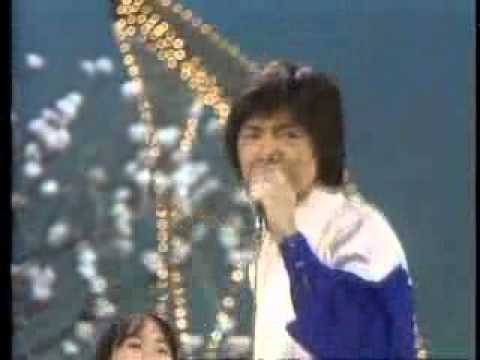
Teppei Shibuya was also an idol singer who showcased both dance and vocals.
The judges of the show “Star Tanjō” at the time said that male idols were difficult to cultivate, but Shibuya impressively made it through the preliminaries and debuted.
This song, DEEP, might be the one that stands out the most for those who remember his idol era.
Its lyrics, themed around the dazzling summer sea in August, and the intense choreography became a hot topic.
Invader WALKMaki Ueda

In the 1970s, women’s pro wrestling was incredibly popular, but whether the success of the Beauty Pair was a good thing or not, even Maki Ueda ended up singing a song like this.
The song itself didn’t sell, but since Space Invaders became a massive craze, the dance was called the Invader WALK.
Love is a red roseTonosama Kingusu

With the huge hit of Namida no Ayatsuri, during the bubble era the Tonosama Kings were all over TV, and their song—astonishingly—was a mambo with a complete costume change to match.
The switch from kobushi-laden enka to mambo was puzzling, but the mambo rhythm may have been easier on the ears.
The Tonosama Kings themselves didn’t actually dance the mambo, though…
24,000 KissesGōruden hāfu

Originally, they were a five-member group, but one member soon left, and the remaining four women were all beautiful mixed-race members.
Because they were mixed, what struck me was how long their legs were.
Eva, in particular, was very active in comedy sketches.
They mainly sang cover songs, but the upbeat numbers felt fresh even when listened to as J-pop.