

Revival among the youth? Japanese dance music that was a hit in the 1980s. Showa-era dance tracks.

Due to American influence, in the 1980s Japan also saw dance music that heavily used drum machines and synthesizers become popular as it was incorporated into pop and other genres.
Behind the scenes, a wealth of superb, funky disco tracks were produced in large numbers, many of which remain timeless classics still talked about today.
In this era of retro revival, why not listen to the dance music that was in vogue in the ’80s?
For those who spent their youth back then, it will sound nostalgic; for generations who didn’t experience the era, it will sound fresh and new!
In this article, we’ve selected recommended dance tracks from that time.
Enjoy!
- [Nostalgic Hits] Popular Japanese dance music songs that were hits in the 1990s
- [Wamono] A roundup of popular 1970s Japanese dance songs and disco kayō
- Get into it! Dance to it! Enjoy it! Best J-POP Dance Tracks
- Dance music in Japanese (J-pop) that people in their 50s used to listen to. Nostalgic classic hits.
- For seniors in their 80s: Stay healthy while having fun. Introducing dance songs that make you want to move!
- [Definitive Edition] Masterpieces and Hit Songs of 80s Disco
- [Nostalgic Hits] Japanese dance music that resonates with people in their 40s.
- Including global hits! 80s songs popular on TikTok
- Cool songs from the Showa era. Masterpieces from Showa that shine with sensuality, passion, and rugged charm.
- Guaranteed to make you want to dance! Dance tracks that defined the Heisei era
- Dance music that was popular among Gen Z. A song that went viral.
- Popular Nostalgic Hits and Classics Ranking [1980s Japanese Music Ranking]
- Let’s dance to popular songs! A collection of recommended dance tracks for elementary school students
Revival among the youth? Japanese dance music that hit in the ’80s: Showa-era dance tracks (11–20)
Midnight Door ~ Stay With MeMatsubara Miki

It’s a song distinguished by a memorable, beautiful melody and bittersweet lyrics.
It delicately portrays a woman reminiscing about a lost love, expressing universal emotions.
Miki Matsubara’s sultry vocals further enhance the song’s atmosphere.
Released in November 1979 as her debut single, it reached No.
28 on the Oricon chart and sold 104,000 copies.
Cherished as a city pop classic, it saw a surge in overseas popularity in 2020.
It continues to be passed down as a song that resonates with many hearts.
Recommended when you want to heal the pain of heartbreak or revisit memories of a nostalgic romance.
Love Won’t Stop – Turn It Into Love –Wink

The original song for this work is the 1988 track of the same title, made a hit by Kylie Minogue, who was an idol-like popular singer in Australia at the time.
The female duo Wink covered it in Japanese and turned it into a massive hit, which led to Kylie’s original version setting a record by topping Japan’s international singles chart for ten consecutive weeks.
MarionetteBOØWY

This track is packed with an overwhelming rock sound and razor-sharp messages.
Released in July 1987 as a single by BOØWY, it was an ambitious work that topped the Oricon charts.
As the lead single from the album “PSYCHOPATH,” it stirred up the music scene at the time alongside a music video animated by Gainax.
Although BOØWY scarcely appeared in the media, the song is also known as the entrance theme for “Dynamite Shikoku,” a character played by Shozo Endo on Nippon TV’s Downtown no Gaki no Tsukai ya Arahende!!.
This masterpiece fuses the beat-driven feel of the ’80s with a melodious sound, incorporating danceable elements to distill the essence of rock music into a single track.
It’s a song that evokes nostalgia for those who lived through the era and sounds fresh to younger listeners—please enjoy.
Lonely Tropical FishWink

This is a signature song by Wink, who took Japan by storm in the late 1980s.
Paired with their expressionless, cool performance style, the lyrics—depicting a bittersweet longing and a sense of loneliness—leave a strong impression.
The song skillfully conveys feelings that can’t reach the one you love, as well as the gap between ideals and reality, resonating with many listeners.
Released in July 1989, it debuted at No.
1 on the Oricon chart and drew major attention with an appearance on that year’s Kōhaku Uta Gassen.
It’s a recommended track not only for those nostalgic for their youth, but also for young people wrestling with matters of the heart.
Before anything else, from atop the roadIsseifubi Sepia

The songs by Ichiya Fūbi Sepia, who debuted in 1984, brought a fresh breeze to the music scene of the time.
With lyrics likened to the life of a flower, they express the transience and beauty of life, resonating deeply with listeners.
Their works, marked by a distinctive style and philosophy, invite reflection on harmony with nature and the meaning of life.
This piece, in particular, serves as a true guidepost for life, teaching the importance of growing through adversity.
Their performances, evocative of traditional Japanese aesthetics, feature dance with arrangements reminiscent of Nihon-buyo, which adds to their appeal.
Give it a listen when you feel lost in life or are standing on the verge of a new challenge.
Dance If You Want ItKubota Toshinobu

Released in 1988, this song encapsulates the appeal of Toshinobu Kubota.
Combining an energetic rhythm with a profound message, it calls for the liberation of mind and body through dance.
Included on the album “Such A Funky Thang!,” it became a major hit, reaching No.
1 on the Oricon album chart.
It was also featured in a commercial for the soft drink Mets, and the unconventional promotion left a strong impression.
Its funky, groovy sound showcases Kubota’s musicality and continues to be loved by many to this day.
Revival among the youth? Japanese dance music hits from the 1980s. Showa-era dance tracks (21–30)
LOVELAND,ISLANDYamashita Tatsuro
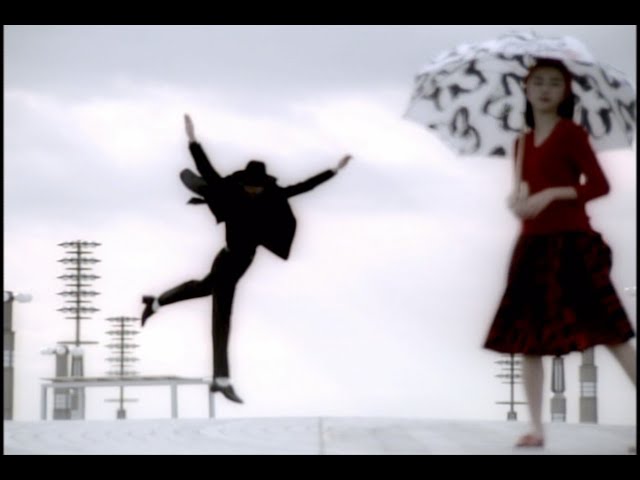
This song was included on the 1982 album “FOR YOU,” and it conjures an image of a woman dancing on a midsummer sidewalk, sweat dripping as she moves.
Although it wasn’t released as a single when the album first came out, it was issued as a single in 2002 as a TV drama theme song.
It’s a work brimming with the atmosphere of summer.