

[Nostalgic Classics] Hit Japanese Love Songs from the 1980s


There are always love songs that match each generation, no matter the era.
Here, we’ll introduce love songs that were hits in the 1980s!
A common trait of 80s rock and pop love songs is that women are often portrayed as waiting for men, while men tend to emphasize their own strength to women.
Influenced by folk and kayōkyoku, as well as the social climate of the time, you’ll find many expressions that are rare today.
It might be interesting to listen while noticing those differences.
And above all, the unique sound of the 80s.
If you’re “looking for classic 80s songs” or “want to listen to nostalgic hits,” be sure to check these out.
- Top Male Singer-Songwriter Hits of the 1980s: Ranking [2026]
- Top 1980s Female Singer-Songwriters: Popular Songs Ranking [2026]
- Showa-era love songs: A roundup of timeless love songs cherished across generations
- A collection of nostalgic Japanese hit songs from the 1980s that still linger in our ears
- A heartbreak song that was a hit in the 1980s. A classic and popular track in Japanese music.
- Classic and hit Japanese pop songs from the nostalgic 80s
- Cool songs from the Showa era. Masterpieces from Showa that shine with sensuality, passion, and rugged charm.
- Love songs that resonate with women in their 60s: gem-like romance tunes that revive memories of youth.
- A heart-wrenching story that tightens the chest! A Showa-era unrequited love song
- Evokes the charm of the good old days. Showa-era inspirational songs that are still loved today.
- A special feature on classic and hit songs by bands that were active in the 1980s
- Autumn songs that were hits in the 80s. Classic and popular tracks from Japanese music.
- Popular Nostalgic Hits and Classics Ranking [1980s Japanese Music Ranking]
[Nostalgic Classics] Hit Japanese Love Songs from the ’80s (1–10)
Fall in LoveKobayashi Akiko

Released in 1985 and a massive hit, this signature song by Akiko Kobayashi is loved across generations, since you still hear it in many places.
Its calm, gentle melody lets the lyrics sink in even more.
The lyrics, written by Reiko Yukawa, are said to be based on her real experience; though written from a woman’s perspective, they capture emotions that men can easily relate to as well.
That flutter of excitement and tinge of anxiety before making a phone call might be something we rarely feel nowadays.
People interpret the song in various ways, but it’s a love song that makes you want to keep a pure, innocent heart forever.

for you…NEW!Takahashi Mariko

A single released by Mariko Takahashi in March 1982.
It won the Gold Prize at the 11th Tokyo Music Festival World Grand Prix and became one of her signature songs, solidifying her reputation as a solo vocalist.
Known as a mature ballad that quietly sings of gratitude toward the person who stayed by her side after a painful romance and the budding sense of new love.
Without relying on flashy technique, her deeply resonant voice gently conveys emotion without distorting the nuance of the words, enhancing the song’s appeal.
An unfading classic perfect for a quiet night, inviting you to reflect on past loves as you listen closely.
Half-Moon SerenadeKawai Naoko

A love ballad released in 1986.
It was also a turning point in her career, and Naoko Kawai herself composed the music.
It carries a somewhat fragile atmosphere, and combined with Kawai’s beautiful voice, it sounds all the more ethereal.
While it expresses the longing to be united with the one you love, as you listen you can also feel a vastness, or the emotional shifts that come with growing up.
I think it’s a love song that gently accompanies many different forms of romance.
In Hong Kong, since it was covered by male singer Hacken Lee, it has been cherished as a staple love song.
[Nostalgic Classics] Hit Japanese Love Songs of the 80s (11–20)
I want to protect youMatsutōya Yumi
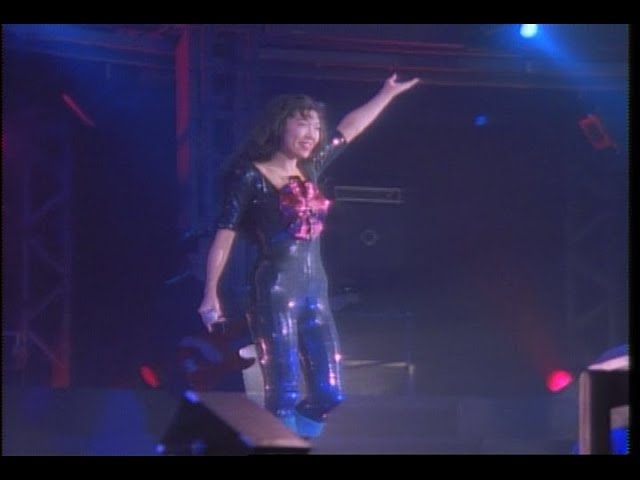
A medium-tempo number by Yumi Matsutoya that somehow gives you a sense of reassurance the moment it starts playing.
It was released in 1981.
Every line of the lyrics feels so warm, doesn’t it? It overflows with a pure desire to become one in heart with the person you love, and the delicate yet gentle layering of Yuming’s voice is incredibly soothing.
There’s a generosity that wraps you in a sense of nostalgia, and it also gives the impression of revealing Yuming’s character.
It’s a heartwarming masterpiece that makes you want to cherish the person in front of you even more.
Goodbye to sorrowanzenchitai

A classic released in 1985 by Anzen Chitai that gently seeps into your ears and heart from the very first moment it starts to play.
Why does Koji Tamaki’s voice resonate so deeply? It makes you long for someone.
The tender lyrics, simply saying “I’ll be by your side,” carry a powerful sense of warmth and reassurance.
It really hits home, especially when you’re in a long-distance relationship.
The melody is so beautiful that you can’t help but think there’s probably no one who dislikes this song.
It’s a warm love song that makes you truly believe in a small bond, even when you’re far apart.
I LOVE YOUOzaki Yutaka

Yutaka Ozaki, who led a turbulent life and passed away at the young age of 26.
This song was recorded for his first album released in 1983, but it wasn’t included on that album and was instead released in 1991.
While it is a love song, it also conveys a sense of human loneliness in the world, and it remains one of Ozaki’s signature songs, beloved by many to this day.
The ballad, which begins with just piano and vocals, leaves a lasting impression with Ozaki’s captivating voice.

I’ll wait.amin

It’s one of those songs that often plays on music shows’ classic-song specials and in commercials, and it’s beloved by households everywhere.
It’s Aming’s signature track, their debut single that ranked No.
1 for the year in 1982.
Do the lyrics suggest an age gap? They portray the feelings of a woman who isn’t seen as a romantic interest.
She puts on a brave face in front of everyone, but she wants the person she likes to understand her—that’s the emotion that comes through.
“Even if you don’t turn around, I’ll wait forever”—how devoted is that? To be thought of that way is such a happiness, isn’t it? It’s a love song you can’t help but listen to when you’re in a slightly unconventional relationship or nursing a one-sided crush.